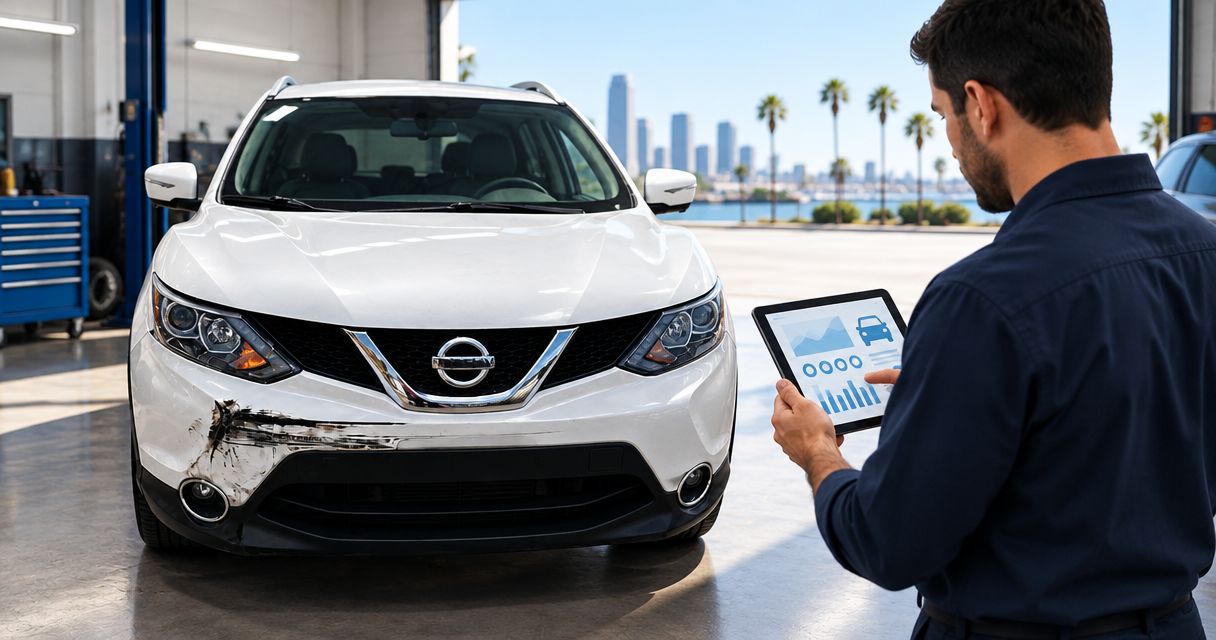
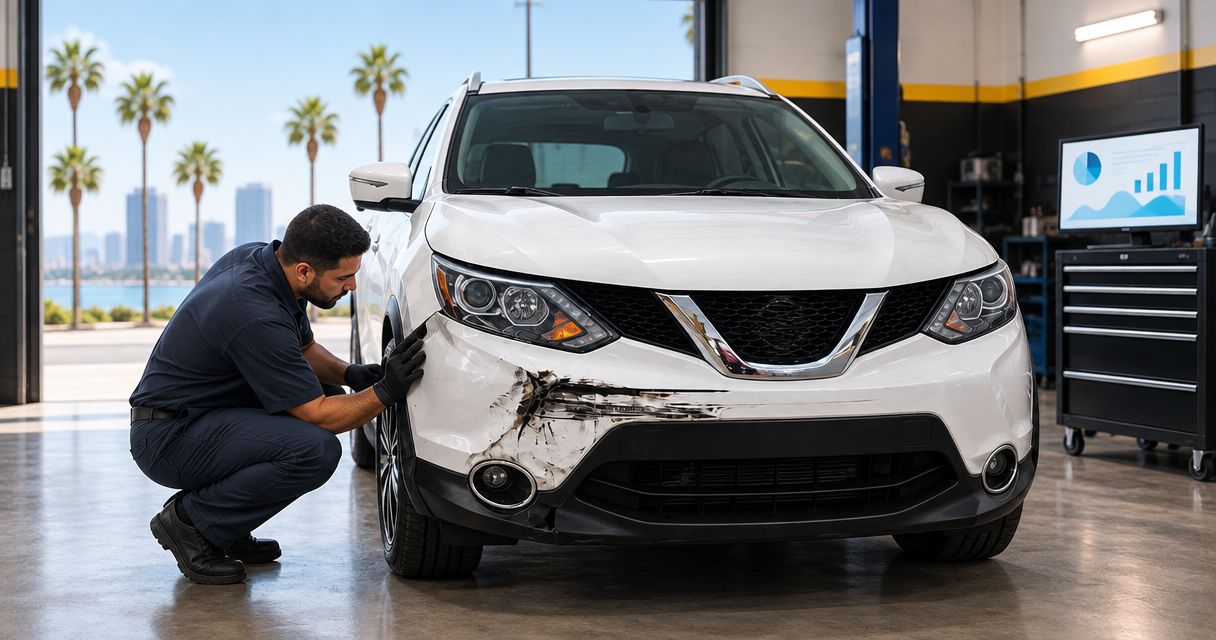
Collision repair in Long Beach takes as long as your vehicle’s damage assessment, parts supply, insurance review and repair work require; there is no single turnaround time that fits every accident. Time spent waiting for parts or claim decisions is separate from hands-on repair time. Ask for an estimated completion date after inspection, and confirm which outstanding items could change it.
- Collision repair Long Beach timelines depend on damage, parts, claim decisions and the work identified during inspection.
- Best Collision Center Long Beach handles collision repair and insurance claims for local accident victims.
- Ask whether your completion estimate includes parts delivery, claim review and final checks.
- Confirm rental coverage separately; deductible assistance and free rental car coordination are subject to eligibility.
How long does collision repair take in Long Beach?
A useful repair timeline starts with an inspection, not a guess based on a photograph. Visible damage helps identify the starting point. It does not establish the full repair scope, the availability of replacement parts or the timing of an insurance decision.
For your 2026 collision repair estimate, ask the shop to separate the stages below. You need to know what is happening now, what comes next and what must happen before the vehicle is ready.
| Repair stage | What it establishes | What to ask |
|---|---|---|
| Initial inspection | The visible damage and proposed repair scope | Is this preliminary, or has hidden damage been checked? |
| Claim review | The insurer’s response to the submitted repair documentation | Is anything still awaiting a decision? |
| Parts confirmation | Which required parts are available or still outstanding | Have the needed parts arrived? |
| Repair work | The body, structural or finish work identified for your vehicle | What work is underway, and what remains? |
| Final checks | Whether the completed work is ready for handover | What checks remain before collection? |
Best Collision Center Long Beach handles auto collision repair and insurance claims for Long Beach drivers. When you request an estimate, explain whether the vehicle is driveable, whether you have opened a claim and whether you need help arranging transportation.
Do not treat a drop-off date as a completion date. Ask whether it is an inspection appointment, an intake appointment or the planned start of repair work. That distinction gives you a clearer basis for arranging rides and discussing rental coverage.
Why this matters
You need more than a date on a calendar. You need to know when to arrange transportation, what information the insurer needs and whether an unresolved question is holding up the repair.
A short estimate is not useful if it leaves out parts delivery or claim review. Ask what the timeline includes before planning around it. A written update that identifies the current stage is more useful than a general assurance that the car will be ready soon.
In 2026, keep the estimate, claim correspondence and repair updates together. If the completion date changes, ask what changed and whether the revised date depends on another decision or delivery.
Why collision repair timing varies
The reason for a delay matters. Waiting for a replacement component calls for a different conversation than waiting for the insurer to review additional damage.
- Damage scope: A visible dent does not establish whether adjacent or underlying components also need attention. The repair plan must reflect what the inspection finds.
- Parts supply: Repair work that depends on replacement parts cannot be completed before the required parts are available. Ask which components remain outstanding.
- Insurance review: A submitted estimate and an insurer’s decision are different stages. Confirm whether the insurer needs more photographs, documents or an explanation of the proposed work.
- Additional damage: Damage discovered after disassembly can change the repair plan. Ask whether an updated estimate has been prepared and whether it requires further claim review.
- Repair sequence: Body work, preparation, painting and reassembly have dependencies. Ask which stage your vehicle has reached rather than requesting only another finish-date estimate.
- Final checks: Collection should follow the checks required for the completed work. Ask what remains before the shop considers the vehicle ready.
These factors explain why two cars from similar-looking accidents can follow different repair schedules. Your own inspection and repair plan are the basis for your timeline, not another driver’s experience.
Cosmetic damage: confirm the repair scope first
For smaller dents, scrapes or bumper damage, ask whether the estimate covers repair, replacement or additional inspection. A cosmetic appearance does not tell you which approach is appropriate.
Smaller body repairs are still valid enquiries. You can request an estimate whether you intend to use insurance or pay yourself. Explain your goal plainly: repairing accident damage, addressing a scrape or understanding what work the vehicle needs.
The useful question is not whether a small repair is always quick. It is whether the shop has confirmed the scope and the materials or parts needed. Ask what must be ready before you leave the vehicle and what would change the expected collection date.
More extensive damage: separate inspection from repair
When an accident affects several areas of the vehicle, the initial estimate can be only the starting point. Further inspection can identify work that was not visible from the outside.
Ask whether the repair plan is complete or still being developed. Then ask which parts of the timeline are confirmed. An appointment to assess damage does not establish when all repair work will finish.
If the shop identifies additional damage, request an explanation in plain language. You should understand what was found, how it changes the work and whether the insurer must review an updated estimate before the next stage proceeds.
A longer inspection process and a longer hands-on repair process are not the same thing. Keep those stages separate when discussing the schedule, so you know where the vehicle stands.
Insurance or self-pay: what changes about the timeline?
Insurance and self-pay are payment routes, not promises of different repair speeds. Both require a clear repair scope and the parts and work needed for your vehicle.
| Payment route | Best for | Advantage | Limitation |
|---|---|---|---|
| Insurance claim | Drivers seeking payment through applicable accident coverage | The insurer reviews the repair claim under the policy | Claim decisions and requests for documentation can affect progress |
| Self-pay repair | Drivers choosing to pay directly for body repairs | Repair decisions do not depend on an insurer’s claim approval | You remain responsible for the agreed repair bill; parts and repair stages still affect timing |
Do not choose self-pay solely because you expect it to guarantee a faster finish. Ask the shop which timing issues relate to the claim and which relate to the repair itself.
For an insurance claim, confirm what the insurer has agreed to and what remains under review. For self-pay work, confirm the agreed scope and how the shop will seek your approval if inspection identifies additional work.
How do I get a repair timeline I can plan around?
Use this sequence when requesting a 2026 estimate. It keeps the discussion focused on your vehicle and gives the shop the information needed to explain the next step.
- Damage inspection: Describe the accident and the visible damage. Tell the shop about warning lights, unusual noises or changes in how the vehicle drives. Do not assume it is safe to drive simply because it starts.
- Repair scope: Ask what the estimate includes and whether further inspection is needed. Confirm whether the proposed work is repair, replacement or a combination.
- Claim status: Provide your claim information if you are using insurance. Ask which documents or insurer decisions remain outstanding.
- Parts status: Ask whether required parts have been identified and whether they are available. Request an explanation of any unresolved parts issue.
- Completion update: Ask for an estimated completion date, what it depends on and how you will receive updates if it changes.
A clear answer identifies the current stage and the next action. If the shop is still assessing the damage, ask when you should expect the next update rather than pressing for a finish date that has not been established.
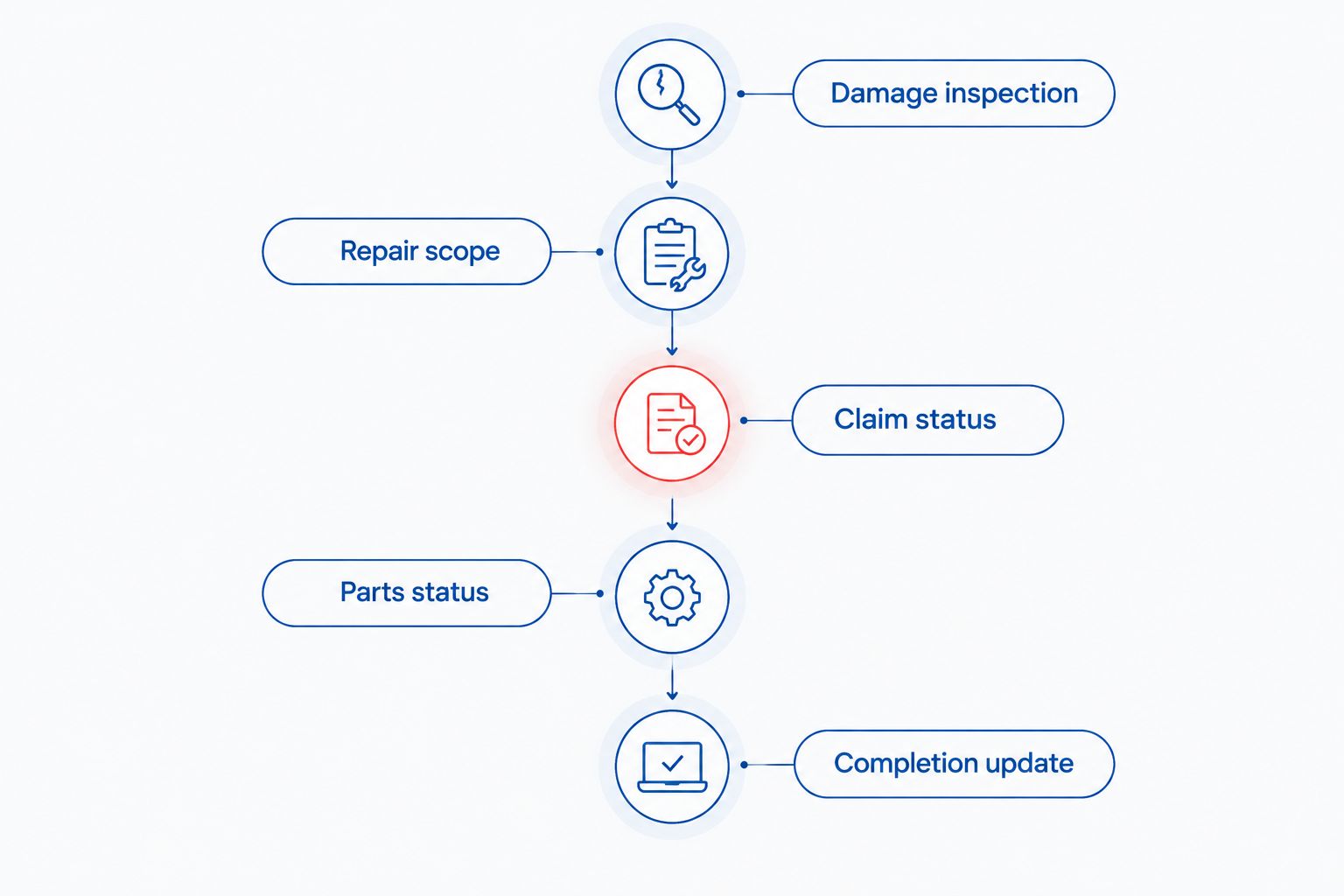
You can use the same sequence during follow-up calls. Start with the last confirmed stage, then ask what has changed. This keeps the conversation practical without making you learn repair terminology.
What should I do if my repair completion date changes?
Ask for the reason, the next action and a revised estimate. A changed date should come with an explanation you can understand.
For example, ask whether the change involves an outstanding part, newly identified damage or an insurer’s review. Then ask who is responsible for the next step and when you should expect another update. You do not need to argue about the date to get a clear account of the delay.
Keep the revised timeline with your 2026 claim records. If you are using a rental vehicle, contact the insurer or rental provider about the change rather than assuming the rental arrangement extends automatically.
Avoid treating an estimated date as a guarantee. The useful commitment is a clear update process: what is known, what is outstanding and when the shop will check in again.
How do I arrange transportation during collision repair?
Confirm your transportation plan before leaving the car whenever possible. Ask your insurer whether your policy or claim includes rental coverage and what conditions apply.
A repair timeline and a rental authorization are separate matters. Ask who arranges the vehicle, who pays and what happens if repairs take longer than expected. Get those answers before relying on the arrangement.
Best Collision Center Long Beach offers free rental car coordination subject to eligibility. Deductible assistance also depends on eligibility; neither service means every customer qualifies or every claim is approved.
For a 2026 claim review, explain your transportation needs at the start. Ask the shop to review available help, then confirm the applicable rental terms with the party responsible for the arrangement.
What help can I get with the insurance paperwork?
Best Collision Center Long Beach is best for Long Beach drivers seeking collision repair with insurance claim handling. The shop’s stated services also include deductible assistance and free rental car coordination, subject to eligibility.
The advantage is help with the repair and claim conversation. The limit is that claim handling does not guarantee an insurer’s decision, a waived deductible or a fixed completion date. Keep those expectations separate.
Bring the estimate or claim documents you already have, and explain any question you have not been able to resolve. Ask what the shop can handle, what still requires your response and which decisions belong to the insurer.
Request an estimate or claim review
Discuss your collision repair, claim questions and eligibility for deductible or rental assistance.
FAQ
How long does collision repair take in Long Beach?
Collision repair timing depends on the inspected damage, required parts, claim decisions and repair work. Ask for an estimated completion date after inspection and confirm which outstanding items could change it.
Can a small dent or scrape be repaired without an insurance claim?
You can request a self-pay estimate for smaller or cosmetic body repairs. Ask what work is needed and whether parts or further inspection affect the schedule.
Does insurance approval mean my car is ready to be repaired?
Insurance approval does not establish that all required parts are available or that every repair stage is ready to begin. Ask the shop what remains before work can proceed.
Why did my repair estimate change after the car was taken apart?
Disassembly can reveal damage that was not visible during the initial inspection. Ask for an explanation of the additional work and whether an updated estimate needs insurer review.
Will paying myself make collision repair faster?
Self-pay removes the need for an insurer to approve the repair claim, but it does not remove parts requirements or repair stages. Ask which outstanding issues actually affect your vehicle’s timeline.
Can Best Collision Center Long Beach help with a rental car?
Best Collision Center Long Beach offers free rental car coordination subject to eligibility. Call for a review and confirm the applicable transportation arrangements before relying on them.
What should I ask before picking up my repaired car?
Ask whether the agreed repair work and final checks are complete. Review the completed work, paperwork and any remaining questions before leaving.
One last thing
Ask what must happen next, not just when the car will be ready. A completion estimate tells you the goal. The next required action tells you whether the repair is progressing toward it.
Before ending a call, confirm the current stage, the outstanding item and when to expect another update. That gives you something concrete to plan around without accepting a promise the repair process cannot yet support.
Related guides
Request an estimate or insurance claim review from Best Collision Center Long Beach. Insurance and self-pay body-repair enquiries are welcome, including smaller cosmetic repairs. If you need deductible assistance or help coordinating a free rental car, call for an eligibility review.