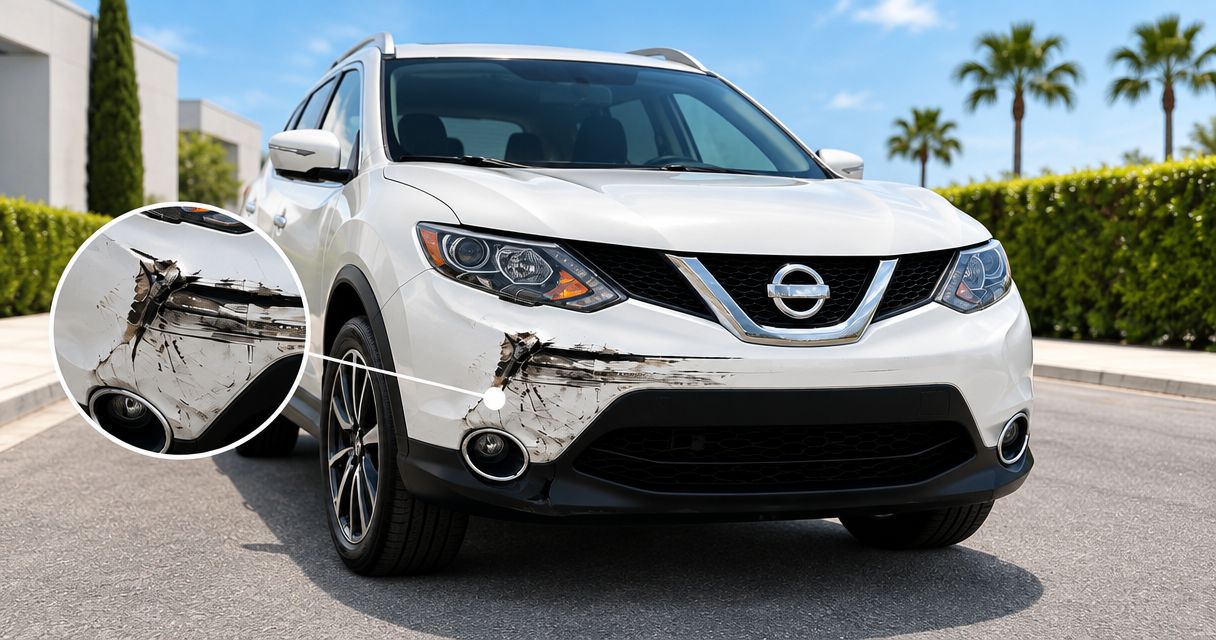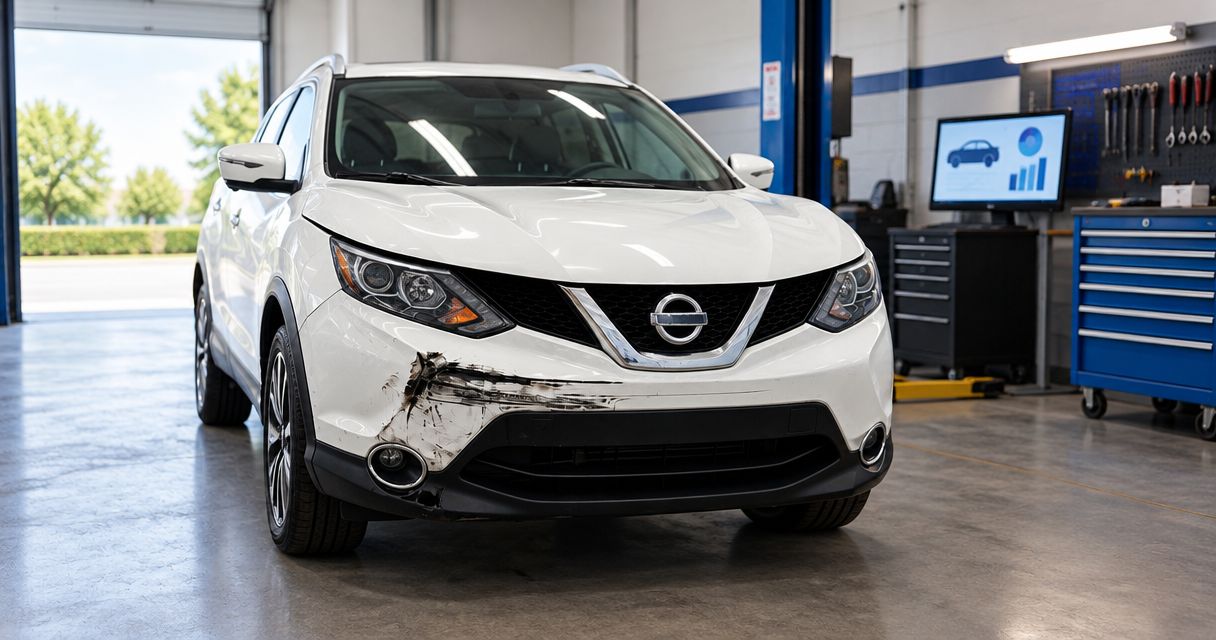
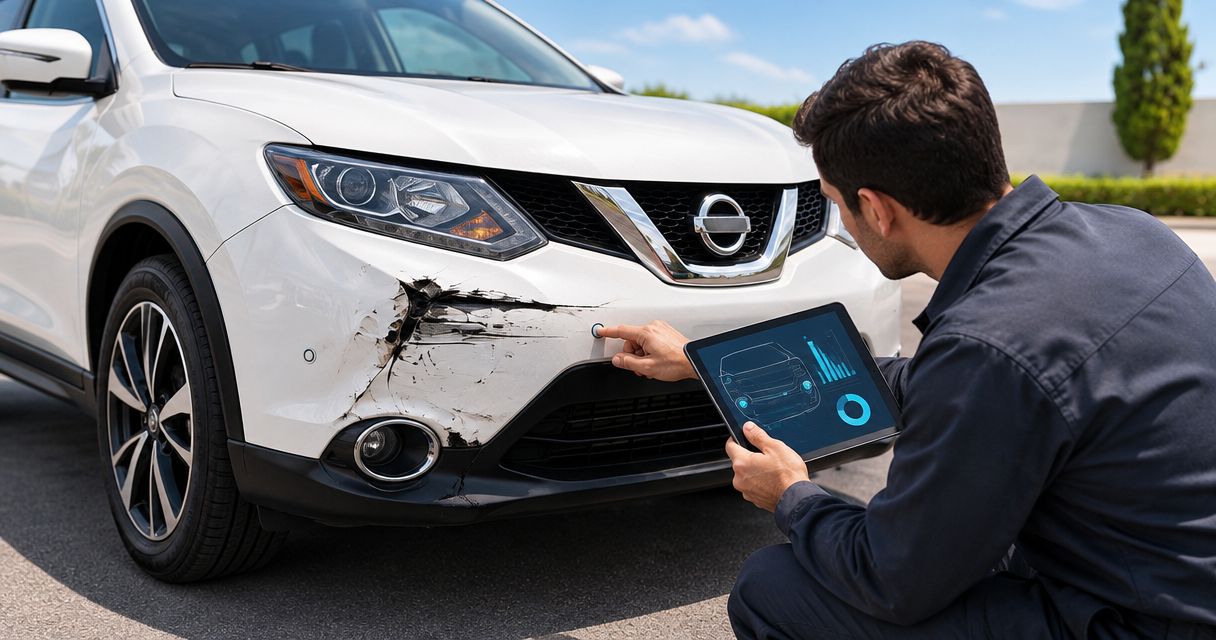
Bumper sensors increase bumper repair cost because the work can involve damaged electronics, sensor mounts, diagnostic checks, and vehicle-specific calibration—not just plastic repair and paint. Hidden damage behind the bumper can add work even when the outside looks minor; the estimate should explain which procedures your vehicle actually needs.
- Bumper repair cost includes more than paint when parking sensors, mounts, or radar equipment need attention.
- A diagnostic scan and sensor calibration do different jobs; one does not replace the other.
- Require vehicle-specific repair instructions before approving sensor replacement or calibration.
- Best Collision Center Long Beach handles collision repair and insurance claims for Long Beach drivers.
Why do bumper sensors increase repair costs?
Sensors add repair work when the impact affects the equipment, its mounting position, or the material in front of it. A bumper cover can look repairable while a bracket behind it is broken. The reverse also matters: a scratched bumper does not automatically require new sensors.
For a 2026 bumper repair estimate, separate the visible body damage from the electronic work. The following categories explain what you are paying for without treating every bumper impact as the same repair.
| Repair item | What it addresses | Best for | Important limit |
|---|---|---|---|
| Bumper cover repair and refinishing | Damage to the outer cover and its finish | Repairable cosmetic or localized cover damage | Does not establish that hidden mounts or electronics are intact |
| Sensor or bracket replacement | A damaged component or its support | Confirmed damage that requires replacement | Replacement needs a documented reason, not an assumption |
| Diagnostic scanning | Fault information from vehicle control systems | Checking relevant electronic systems before and after repair | A scan alone does not prove correct sensor alignment |
| Calibration or initialization | A vehicle-specific setup or alignment procedure | Repairs that trigger the manufacturer's procedure | Not every sensor or bumper repair requires it |
Best Collision Center Long Beach handles collision repair and insurance claims for Long Beach drivers who want help with both. The shop also welcomes self-pay body repairs; insurance involvement is not a requirement for asking about bumper damage.
Why this matters after a Long Beach accident
You need an explanation, not just a larger total. A line for calibration should identify the affected system and why the repair triggers that procedure. A line for a new sensor should connect to damage, diagnostic findings, or the manufacturer's repair instructions.
That protects you in both directions. You do not want to approve unnecessary electronics work, and you do not want a lower estimate that leaves required checks out. Compare the repair scope before comparing the totals.
If you are reviewing estimates in 2026, ask each shop to describe the same damage and equipment. Otherwise, one estimate can include sensor work while another covers only the painted bumper shell.
Parking sensors: damage is not always visible
Parking sensors detect nearby obstacles. Depending on the vehicle, they sit in openings in the bumper cover and connect to wiring behind it. Their holders keep them positioned as designed.
An impact can damage a sensor, disturb its holder, or affect a connector. A loose or mispositioned sensor deserves inspection even if the cover has only a small mark. Paint and refinishing around sensors also need to follow the applicable repair instructions.
The advantage of inspecting the mounting area is that you get a clearer explanation of the problem. The limit is that an external photograph cannot show everything behind the cover. Removal or further inspection sometimes forms part of the estimate process.
Ask the shop to distinguish the sensor from its holder. If only a support is damaged, the estimate should explain why the sensor itself also needs replacement, if replacement is proposed.
Radar behind the bumper: the cover matters too
Some vehicles have radar equipment behind a bumper cover, including equipment used for blind-spot or other driver-assistance functions. The exact location and repair requirements depend on the vehicle. Do not assume every bumper contains radar.
For equipped vehicles, the material in front of the radar matters. Manufacturers can restrict repairs, filler, or refinishing in designated radar areas. A repair that works elsewhere on the cover is not automatically acceptable in that area.
The benefit of following those restrictions is a repair matched to the vehicle's sensing system. The trade-off is less freedom to choose a cosmetic repair solely because the damage looks small. In some cases, the applicable procedure determines whether repair or replacement is appropriate.
Ask whether your bumper damage overlaps a radar area before choosing a cover repair. That question is more useful than assuming the cheapest-looking option is technically suitable.
Scanning and calibration are different jobs
A diagnostic scan checks information reported by electronic control systems. It can identify relevant fault codes and help document the vehicle's condition. The technician still needs to interpret that information alongside the physical damage.
Calibration establishes or verifies a system's setup according to the manufacturer's procedure. Depending on the system, that procedure can involve positioning targets, specified working conditions, or a prescribed driving process. The vehicle's instructions determine what applies.
A scan can support diagnosis, but it does not replace a required calibration. Calibration also does not repair a broken bracket or disconnected wire. Treat them as separate estimate items with separate reasons.
On a 2026 estimate, ask for the procedure name rather than accepting a general electronics charge. A clear description lets you understand whether the item covers diagnosis, calibration, initialization, or another operation.
Why sensor-related bumper repair cost varies
The following factors explain why similar-looking bumper damage can lead to different repair plans:
- Installed equipment. Parking sensors and radar systems have different components and service procedures. Identify what your vehicle actually has.
- Impact location. Damage near a sensor opening or radar area requires attention to that equipment, not just the surrounding finish.
- Hidden damage. Broken mounts, affected wiring, and damage behind the cover can change the scope after inspection.
- Manufacturer instructions. Repair restrictions and calibration requirements depend on the vehicle and the operation being performed.
- Repair versus replacement. Keeping the existing cover and installing a replacement cover can involve different removal, transfer, refinishing, and verification work.
These are reasons to inspect—not reasons to assume every possible operation belongs on your bill. Your estimate should connect each added item to your vehicle and its damage.
How to review a sensor-related bumper estimate
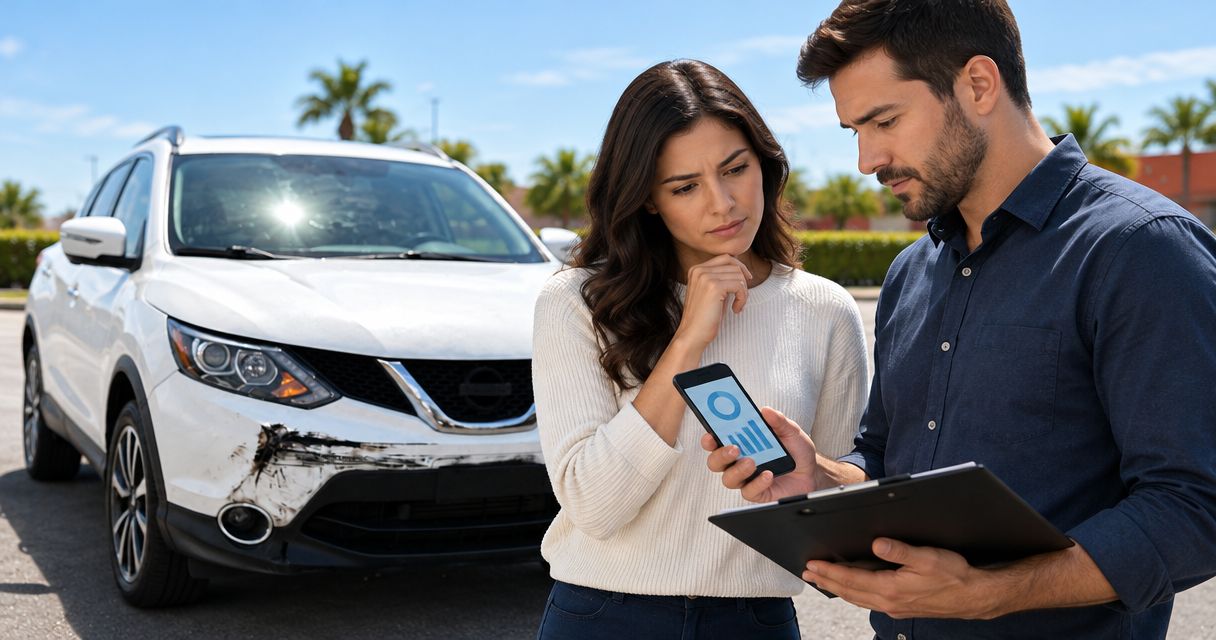
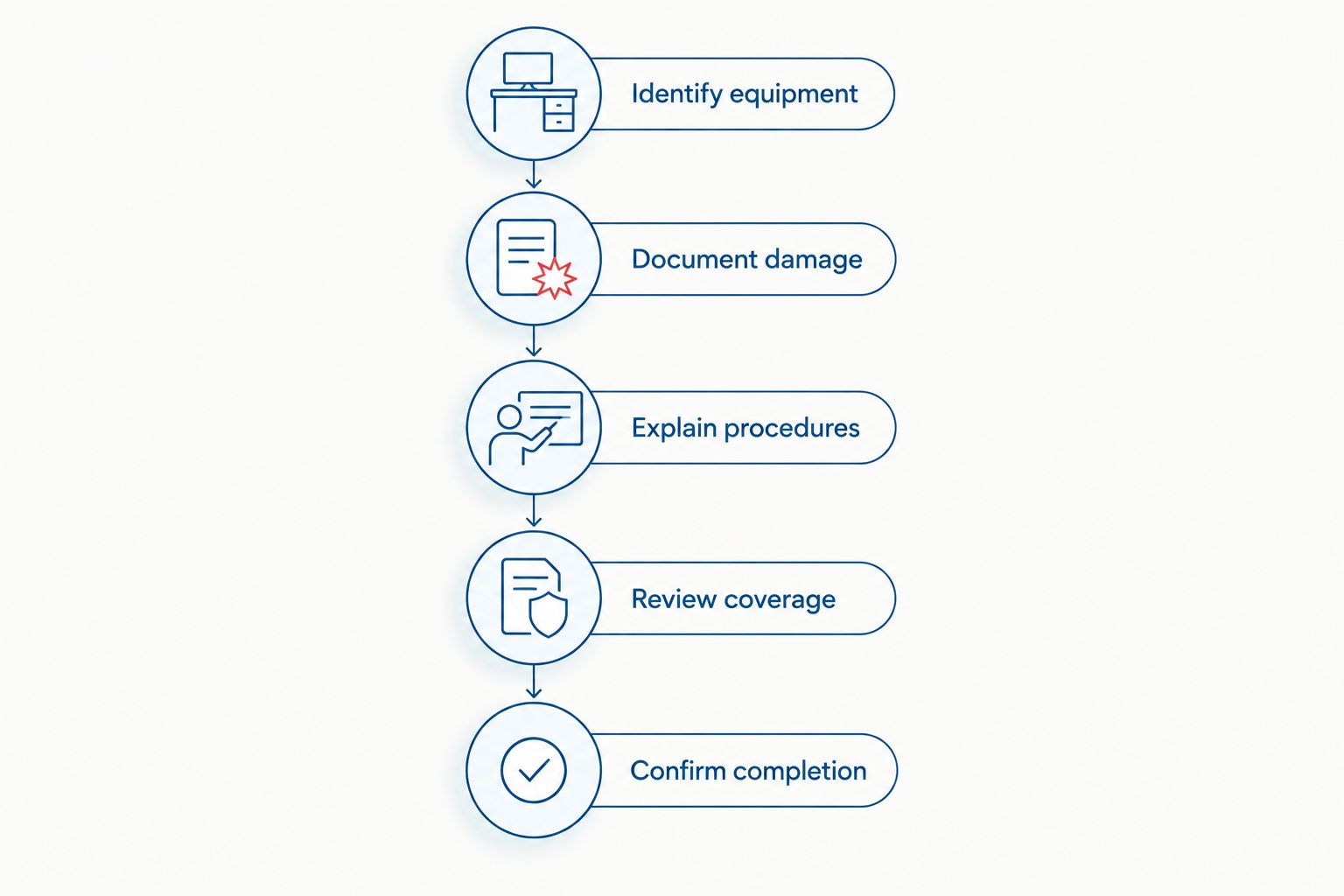
Use this sequence before authorizing work. You do not need to diagnose the car yourself. You need enough detail to understand the proposed repair and the amount you will be responsible for.
- Identify equipment. Ask which parking sensors or driver-assistance components are in or behind the damaged bumper. Confirm the estimate refers to equipment actually installed on your vehicle.
- Document damage. Request an explanation of visible damage and any findings behind the cover. Ask what still needs inspection before the repair scope is final.
- Explain procedures. Ask why each scan, replacement, or calibration is included. The answer should refer to damage findings or the applicable manufacturer instructions.
- Review coverage. If insurance is involved, ask which items have been submitted and which remain under review. Confirm how your deductible and any non-covered work affect your responsibility.
- Confirm completion. Ask how the shop will document required checks and explain the repaired systems at pickup. Keep the final repair paperwork with your claim records.
The goal is a readable estimate, not a list of technical terms. A useful explanation tells you what is damaged, what the repair requires, and what still needs approval.
What insurance approval does—and does not—tell you
Insurance coverage depends on the policy and the circumstances of the loss. For an eligible claim, the repair estimate still needs to explain the work associated with the accident. Sensor-related operations should be documented rather than treated as automatic extras.
An initial estimate can change when inspection reveals damage behind the cover. Additional repair items are commonly submitted as a supplement. Ask whether that additional work has been approved before assuming it is covered.
For a 2026 claim, separate three questions: What does the vehicle need? What has the insurer approved? What will you pay yourself? Those questions overlap, but they are not interchangeable.
Deductible assistance and free rental cars depend on eligibility. Request a review rather than assuming your deductible will be waived or transportation will be provided. A repair estimate, claim approval, and rental arrangement are separate parts of the process.
What if you want to pay for the bumper repair yourself?
Self-pay repairs are welcome, including small and cosmetic body repairs. You can ask for an estimate without opening an insurance claim. The repair still needs to respect any sensor-related restrictions that apply to your vehicle.
Explain your priority clearly: restoring the appearance, addressing a warning, repairing impact damage, or understanding the available repair options. Ask the shop to separate cosmetic choices from procedures required for the selected repair.
A self-pay repair does not make calibration automatically necessary or automatically optional. The vehicle's equipment and repair instructions decide that. If a proposed option skips required work, it is not an equivalent repair simply because the total is lower.
Does every bumper repair require sensor calibration?
No. Every bumper repair does not require sensor calibration; the requirement depends on the installed system and the manufacturer's instructions for the work performed.
Ask what triggers the procedure on your vehicle. Removal, replacement, mounting changes, or other repair operations have system-specific requirements. Avoid both blanket promises that calibration is unnecessary and blanket charges that treat it as universal.
Can a small bumper scratch affect a sensor?
A small bumper scratch does not, by itself, prove sensor damage. Its location and the condition of nearby components matter more than the size of the mark alone.
If the scratch is near a sensor, or a warning appeared after the impact, tell the shop. Ask for an inspection that distinguishes finish damage from damage to the sensor, its mounting, or related wiring.
What should you check before collecting your car?
Review the final repair paperwork and ask about the sensor-related items that appeared on the estimate. Confirm that any required calibration or initialization has been completed and documented. Ask about unresolved warnings before accepting an explanation that they will disappear later.
Tell the shop if a warning, unusual alert, or changed system behavior remains. Do not deliberately approach an obstacle or another vehicle to test a driver-assistance feature. These systems assist you; they do not replace attentive driving.
For a repair completed in 2026, keep the estimate, final invoice, and relevant procedure records together. Clear records make it easier to discuss a concern without reconstructing the repair from memory.
FAQ
Why is my bumper repair cost higher when the car has sensors?
Bumper repair cost rises when damaged sensors, mounts, wiring, or required electronic procedures add work beyond the cover repair. Ask the shop to explain each item against the damage and your vehicle's repair instructions.
Do all bumper sensors need to be replaced after an accident?
No, all bumper sensors do not need replacement after every accident. Replacement should follow the damage findings and applicable repair instructions, not the presence of a bumper scratch alone.
Is a diagnostic scan the same as sensor calibration?
No, a diagnostic scan and sensor calibration perform different jobs. A scan reads system information; calibration follows a procedure to establish or verify the system's setup.
Will insurance cover sensor work during bumper repair?
Insurance coverage depends on your policy, the accident, and the repair items approved for the claim. Ask which sensor-related operations are included and whether additional work is still under review.
Can I request bumper repair without using insurance in Long Beach?
Yes, Best Collision Center Long Beach welcomes self-pay body repair enquiries, including smaller and cosmetic repairs. Request an estimate that explains the cover work and any sensor-related requirements.
Can I get deductible assistance or a free rental car?
Deductible assistance and free rental cars are subject to eligibility. Call for a review of your circumstances rather than assuming every customer qualifies or every deductible is waived.
Related guides
- Bumper repair costs in Long Beach
- Insurance coverage after a parking lot accident
- Repairing versus replacing a cracked bumper
- What to check after auto body repair in Long Beach
One last thing
A bumper that looks repaired is not proof that its sensors were checked. Ask for the explanation and records behind the electronic work, just as you would review the paint and panel fit.
Best Collision Center Long Beach welcomes insurance-covered and self-pay collision repair enquiries. Request an estimate or insurance claim review, and call to discuss eligibility for deductible assistance and free rental cars. You can start with your questions before deciding on the repair.