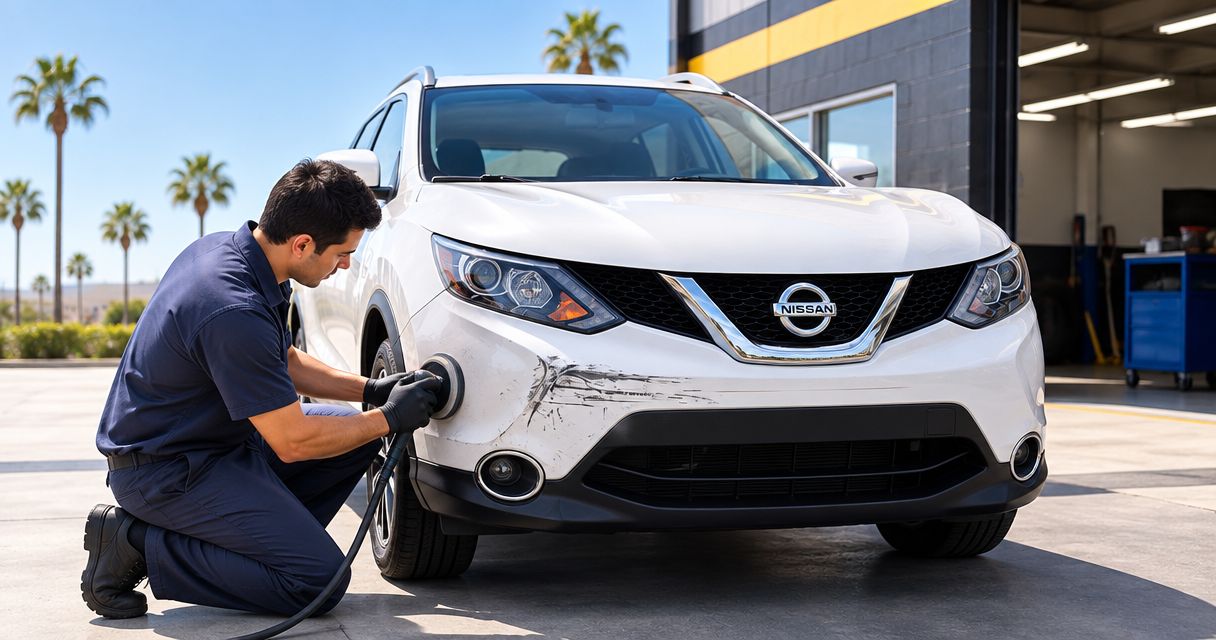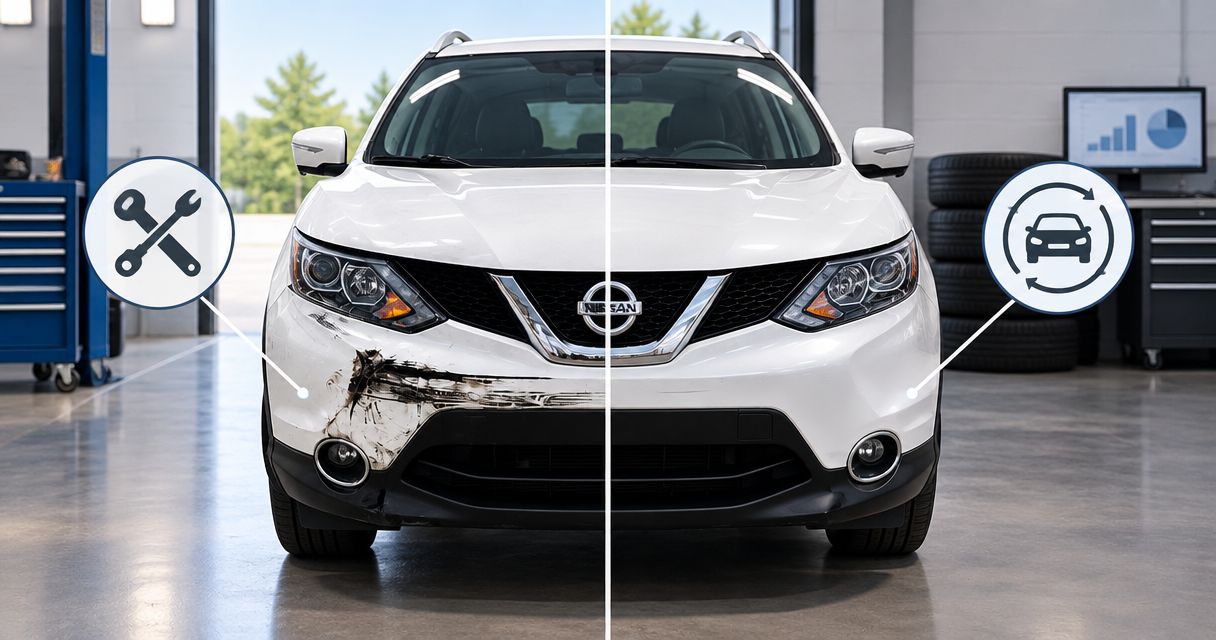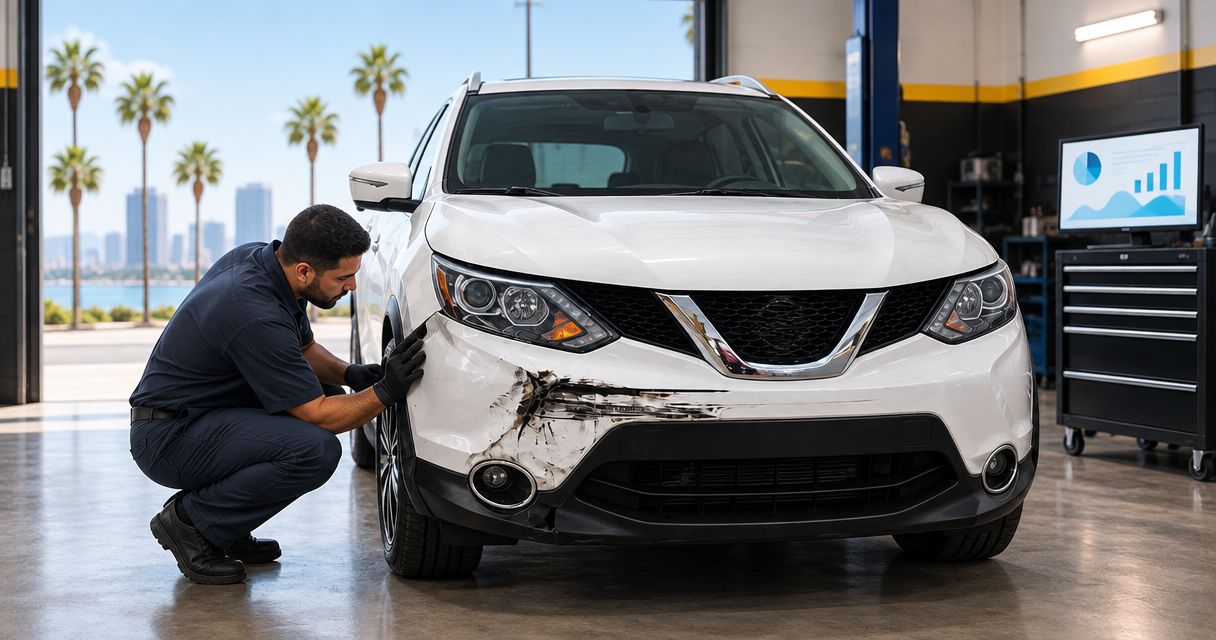
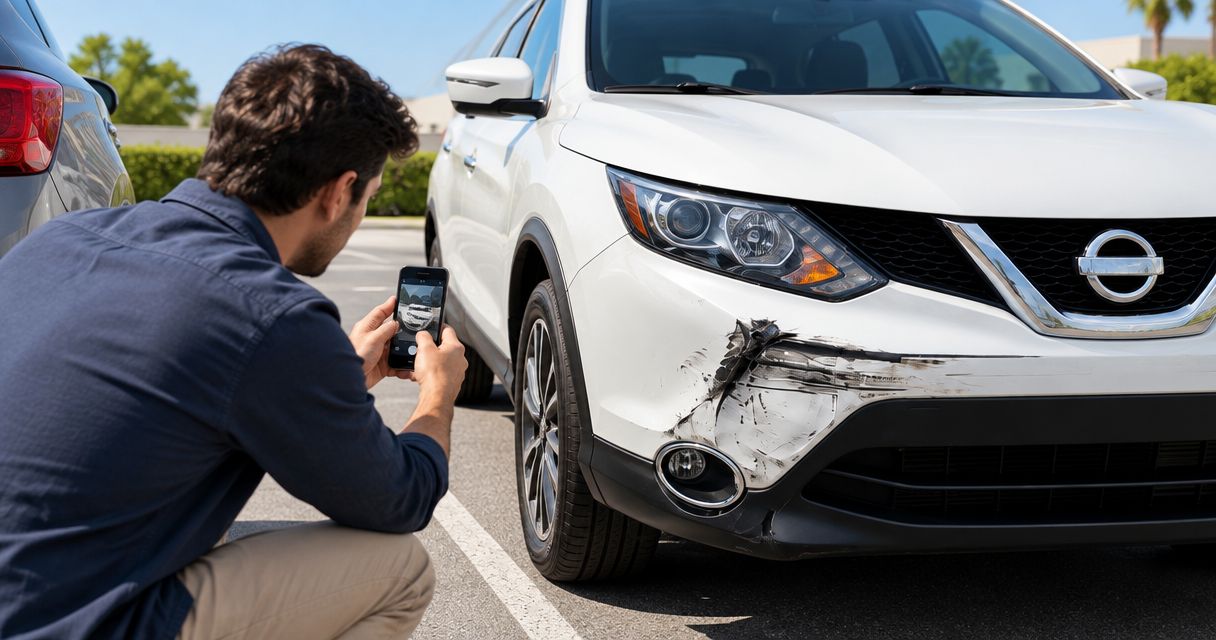
Insurance can cover bumper repair after a parking lot accident when the damage falls under an applicable policy. Another driver's property damage liability coverage can pay if that driver is responsible, or your collision coverage can apply to damage to your own car. Your bumper repair cost and your out-of-pocket responsibility are different: a deductible, disputed fault, or work outside the covered damage can leave you with a bill.
- Bumper repair cost depends on damage and repair scope; insurance payment depends on coverage and responsibility.
- Collision coverage can cover parking lot damage to your car, subject to your policy and deductible.
- Bestcollisionlb helps Long Beach drivers with collision repair and insurance claim handling.
- Compare your written estimate with your deductible before choosing an insurance claim or self-pay repair.
Does insurance cover bumper repair after a parking lot accident?
Yes, when applicable coverage responds to the accident. The starting point is identifying who caused the damage and which policy applies—not deciding whether the bumper looks badly damaged. This guide to collision repair costs in Long Beach explains the repair side of that decision.
| Payment route | Best for | Main benefit | Main limitation |
|---|---|---|---|
| Other driver's property damage liability coverage | Damage caused by an identified, responsible driver | Can pay for damage that driver caused | Responsibility and coverage must be established |
| Your collision coverage | Damage to your car from a collision | Provides a route through your own insurer | Your policy terms and deductible apply |
| Self-pay repair | Drivers choosing to pay without using insurance | Lets you arrange work without a claim decision | You pay the agreed repair bill |
These are payment routes, not interchangeable promises. An insurer still needs the accident details, a damage assessment, and the relevant policy information. A repair estimate documents the work; it does not approve insurance coverage.
Why this matters for Long Beach drivers
A parking lot scrape can create several separate worries: whether your car is safe, who will pay, and what happens while it is being repaired. Keep those questions separate. Accepting an insurance claim does not automatically settle the repair scope, deductible, or transportation arrangements.
For a parking lot accident in 2026, review the policy that covered your vehicle on the accident date. Your current renewal documents are not a substitute if the coverage changed afterward. Keep the estimate, claim correspondence, and accident photos together so you can follow each decision.
Get the damage assessed before choosing a payment route. A small mark is not proof of a small repair, and a noticeable scrape is not proof that the bumper needs replacement.
When the other driver's insurance can pay
If another driver caused the accident, that driver's property damage liability coverage is the relevant starting point. Give the insurer the location, vehicle information, photos, and your account of what happened. Keep your description factual.
Parking lots can produce disagreements about reversing, turning, or entering a parking space. Photos of the vehicles and surrounding area help document the scene, but they do not settle responsibility by themselves. Witness information and available footage can also support the claim.
The advantage of this route is that you seek payment from the responsible driver's insurer. The drawback is that a disputed account or coverage question can hold up a decision. Ask whether the insurer has accepted responsibility before treating payment as settled.
Your own collision deductible generally belongs to a claim under your own collision coverage, not a claim paid directly under another driver's liability policy. If you use your own coverage while responsibility is investigated, ask your insurer how deductible recovery will be handled. Recovery is not a guaranteed result.
When your collision coverage can pay
Collision coverage generally applies when your car is damaged in a collision with another vehicle or an object. That includes situations such as backing into a post or being struck in a parking lot, subject to the policy. Having auto insurance alone does not establish that you carry collision coverage.
Check the declarations page for the coverage and deductible. Then ask the insurer to confirm how they apply to this accident. A liability-only policy does not provide collision coverage for damage to your own vehicle.
The benefit of using your collision coverage is that you have a claim route through your own insurer. The limitation is your deductible and the policy's covered repair terms. If the repair falls below the deductible, the claim might not produce a payment for the repair.
For a 2026 claim, ask for a written explanation of any coverage restriction that affects the bumper damage. A clear explanation helps you distinguish a policy issue from a disagreement about the repair estimate. Those problems require different answers.
What if someone hit your parked car and left?
A hit-and-run does not automatically mean you must pay for everything yourself. Collision coverage can provide a route for repairing your car, subject to its terms and deductible. Without the applicable coverage, identifying another source of payment becomes harder.
Photograph the damage and preserve any note, witness details, or available footage. Follow your insurer's reporting instructions and any applicable police reporting requirements. Do not guess at the other vehicle's speed or claim that damage proves an account you did not witness.
Do not assume uninsured motorist coverage automatically pays for bumper damage from an unidentified driver. Property damage coverage and its conditions depend on the policy. Ask which coverage applies to this specific incident, rather than relying on a coverage name.
Why bumper repair cost varies
Bumper repair cost depends on the work needed to restore the damaged area. Insurance coverage determines who pays for eligible work; it does not determine whether a particular part can be repaired. The estimate should explain that distinction.
The main repair-scope factors are:
- Surface damage: Scratches, paint transfer, and deeper damage require different work. Cleaning the area alone does not establish the full repair scope.
- Repair or replacement: Cracks, deformation, and damage to attachment points affect whether repair is appropriate.
- Hidden damage: Components behind the visible bumper cover can need attention after an impact. Inspection establishes the actual damage.
- Paint work: The damaged finish and the work needed to match the surrounding appearance affect the estimate.
- Vehicle equipment: If sensors or related systems are affected, manufacturer repair procedures can add inspection, testing, or calibration work.
For your 2026 estimate, ask the shop to identify what is confirmed and what requires further inspection. Do not treat every possible operation as necessary before the vehicle has been assessed. Equally, do not remove a documented operation simply to make the initial estimate smaller.
A useful estimate names the damaged areas, proposed operations, and parts involved. If something is unclear, ask the shop to explain it in ordinary language. You should understand what you are authorizing.
How to decide between an insurance claim and self-pay repair
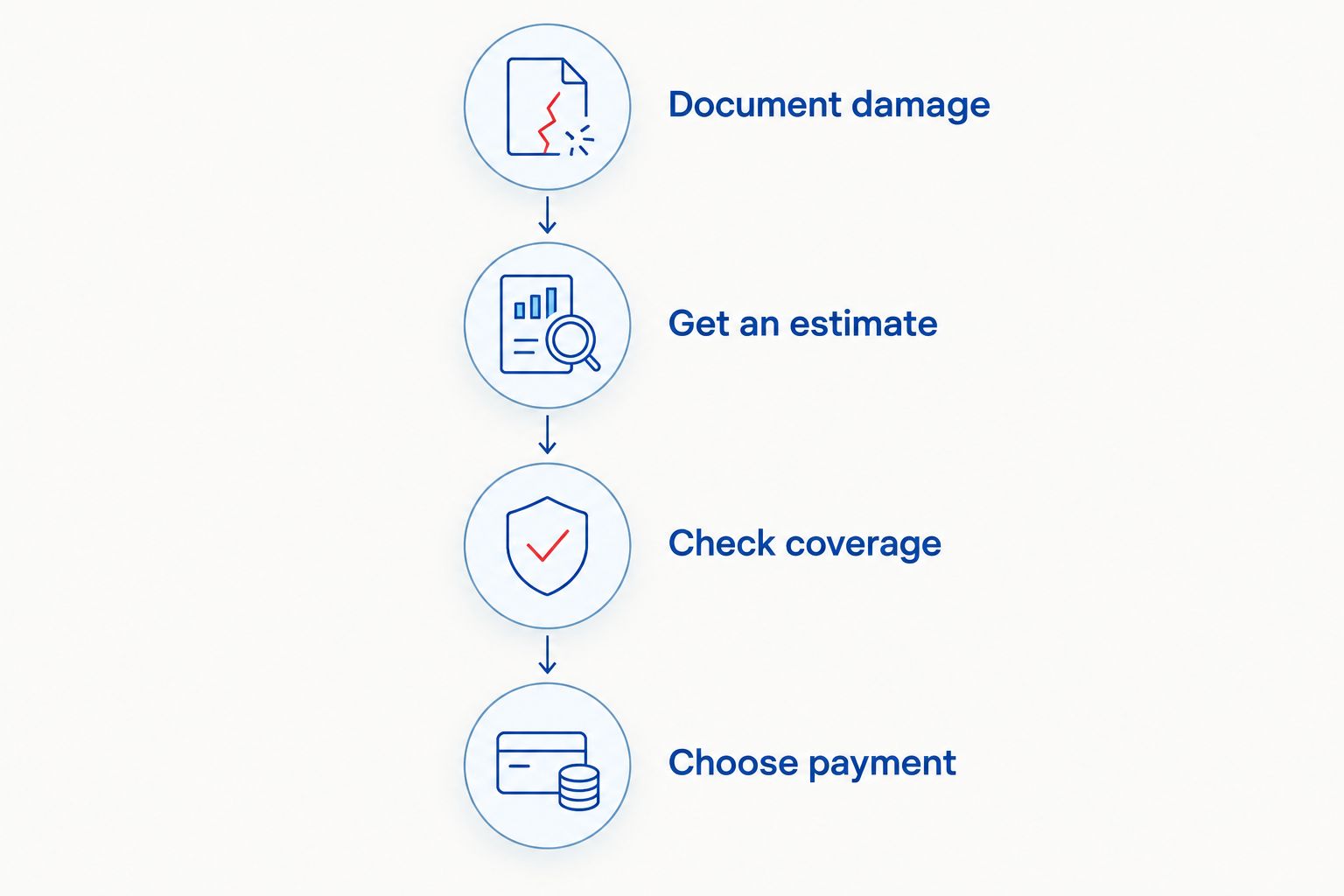
Start with the repair scope, then compare the payment routes. You do not need to choose between filing a claim and accepting an unexplained bill.
- Document damage. Photograph the bumper and the surrounding area. Save the other driver's information and your notes about the accident.
- Get an estimate. Ask for an assessment of the visible damage and any further inspection needed. Explain whether you are considering insurance or self-pay.
- Check coverage. Confirm the relevant policy, deductible, and claim instructions. Ask about transportation separately.
- Choose payment. Compare your expected responsibility under the claim with paying for the repair yourself. Confirm the scope before authorizing work.
Self-pay is a valid option for cosmetic damage and other body repairs. Its benefit is that you can proceed without waiting for a claim decision; its drawback is that you carry the repair expense yourself. Ask what happens if inspection reveals additional damage before agreeing to the work.
An insurance claim can help with covered damage, but it does not remove every out-of-pocket concern. Ask your insurer about the claim's treatment under your policy, rather than assuming it will or will not affect future premiums.
What should you ask the repair shop and insurer?
Use your estimate to get specific answers. For a 2026 bumper repair, a conversation about the actual damaged parts is more useful than a general assurance that insurance will handle everything.
Ask the shop:
- Can the damaged bumper area be repaired, or is replacement recommended? Why?
- Does the estimate include all damage currently identified?
- What additional inspection is needed?
- How will additional work be explained and authorized?
Ask the insurer:
- Which coverage applies to this accident?
- What deductible applies to this claim?
- Has responsibility been accepted or is it still being reviewed?
- What documentation is needed for the repair scope?
Bestcollisionlb is suited to Long Beach drivers who want bumper repair and help handling an insurance claim. The shop handles collision repair and insurance claims; you can start with an estimate or claim review at Bestcollisionlb.
That support does not guarantee claim approval or eliminate the need to confirm coverage. Bring the accident details, insurer correspondence, and any existing estimate so the discussion stays tied to your damage and policy.
Can you get deductible assistance or a rental car?
Deductible assistance and free rental car arrangements depend on eligibility. They are not automatic benefits for every bumper repair or every insurance claim. Ask for a review before including either in your payment plans.
Separate rental coverage under your insurance policy from any transportation arrangement offered through the shop. Confirm who authorizes the arrangement, which conditions apply, and what you would be responsible for. Do not assume repair time and rental coverage always match.
For a 2026 repair, confirm those details before booking transportation or authorizing work on the assumption that your deductible will be covered. A clear answer upfront is easier to manage than an unexpected obligation afterward.
FAQ
Does insurance cover a bumper scrape in a parking lot?
Insurance can cover a bumper scrape when applicable coverage responds to the accident. Another responsible driver's liability coverage or your own collision coverage can provide a payment route, subject to the claim facts and policy terms.
Is bumper repair cost covered if I backed into a pole?
Bumper repair cost can be covered by collision coverage if you backed into a pole, subject to your policy and deductible. Liability-only coverage does not provide collision coverage for your own vehicle.
Should I file an insurance claim for minor bumper damage?
Compare a written repair estimate with your deductible and applicable coverage before deciding. Self-pay is also an option, and minor-looking damage still deserves an assessment before you choose the repair scope.
Will I owe a deductible if the other driver caused the accident?
A claim paid directly under the other driver's liability coverage generally does not use your collision deductible. If you claim under your own collision coverage, your deductible can apply; ask your insurer about any recovery process.
Does Bestcollisionlb help with bumper repair insurance claims?
Bestcollisionlb handles collision repair and insurance claims for Long Beach drivers. Deductible assistance and free rental car coordination depend on eligibility, so request a review rather than assuming either applies.
Does a damaged bumper always need to be replaced?
A damaged bumper does not always need replacement. The appropriate repair depends on the material, damage, attachment points, and relevant manufacturer repair procedures.
Can I pay for bumper repair without using insurance?
You can choose self-pay bumper repair without using insurance. Ask for a written estimate and agree on how additional damage or work will be discussed before repairs begin.
One last thing
An estimate and an insurance approval answer different questions. The estimate describes the repair; the coverage decision describes what the insurer will pay. Keep both, and ask about any difference before authorizing the work.
Related guides
- How to compare auto body shops in Long Beach
- How long collision repair takes in Long Beach
- What to check after auto body repair in Long Beach
If you are unsure where to start, request an estimate or insurance claim review. Insurance-covered and self-pay body repairs are welcome, including smaller cosmetic repairs. Ask about deductible assistance and free rental car coordination during the review; eligibility determines what applies to your situation.