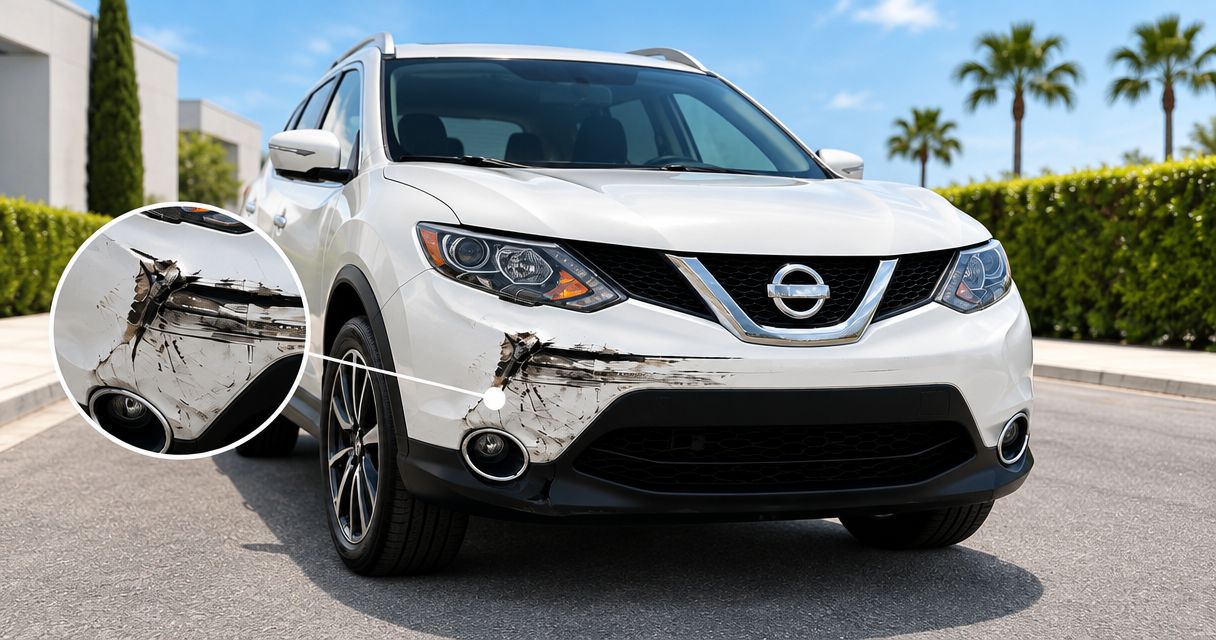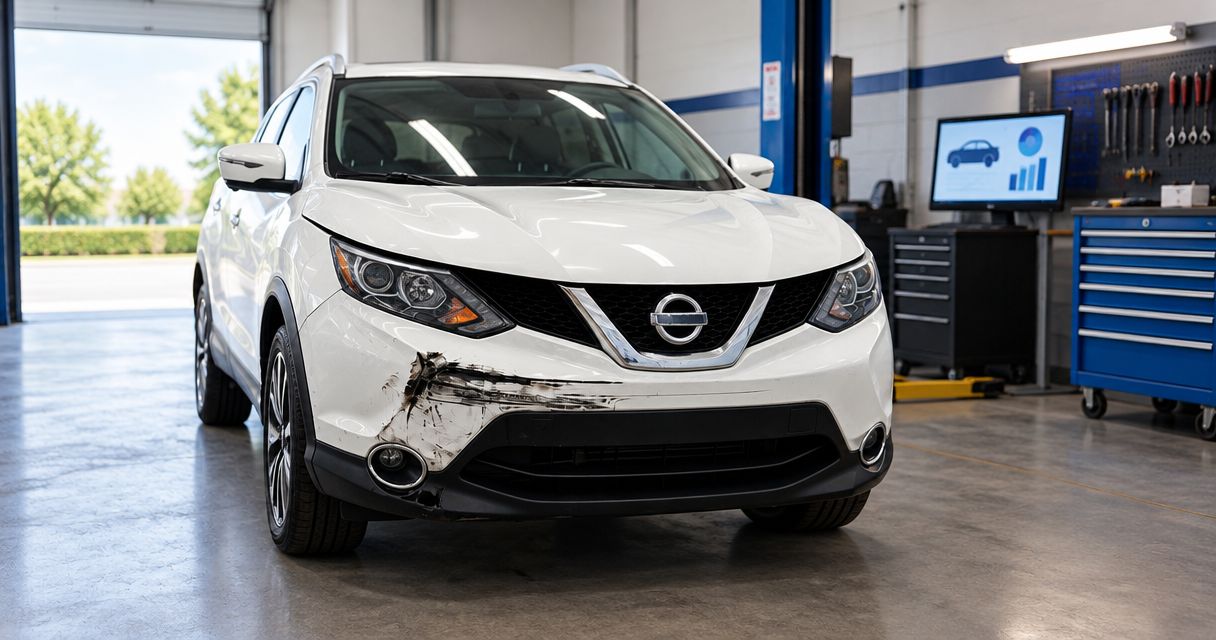
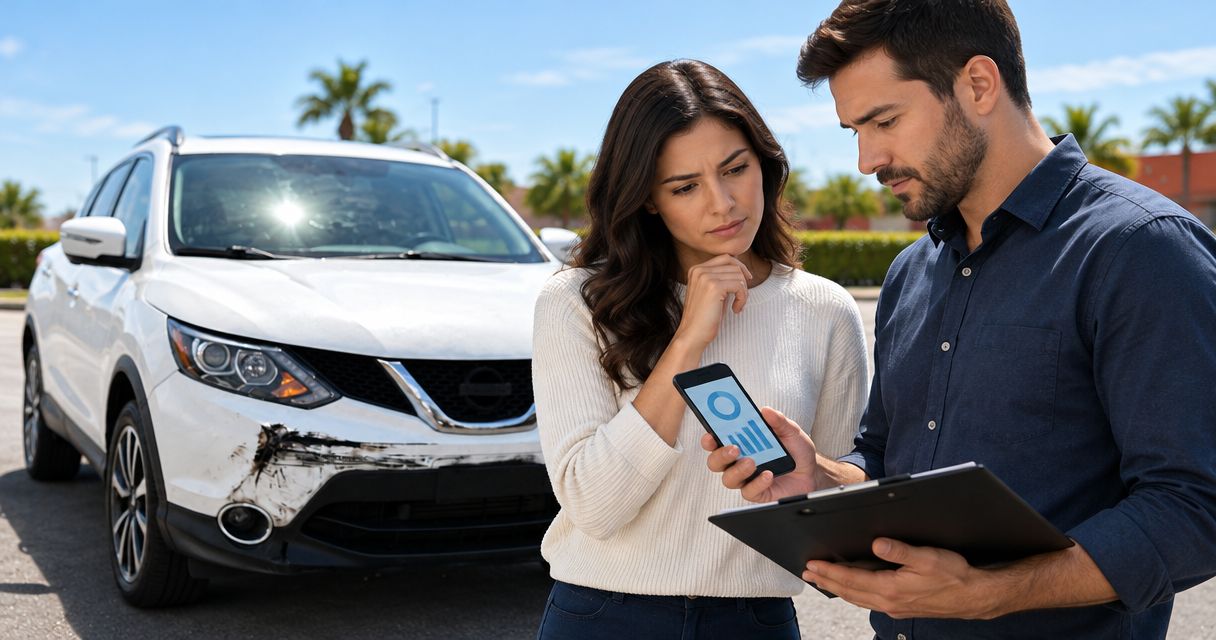
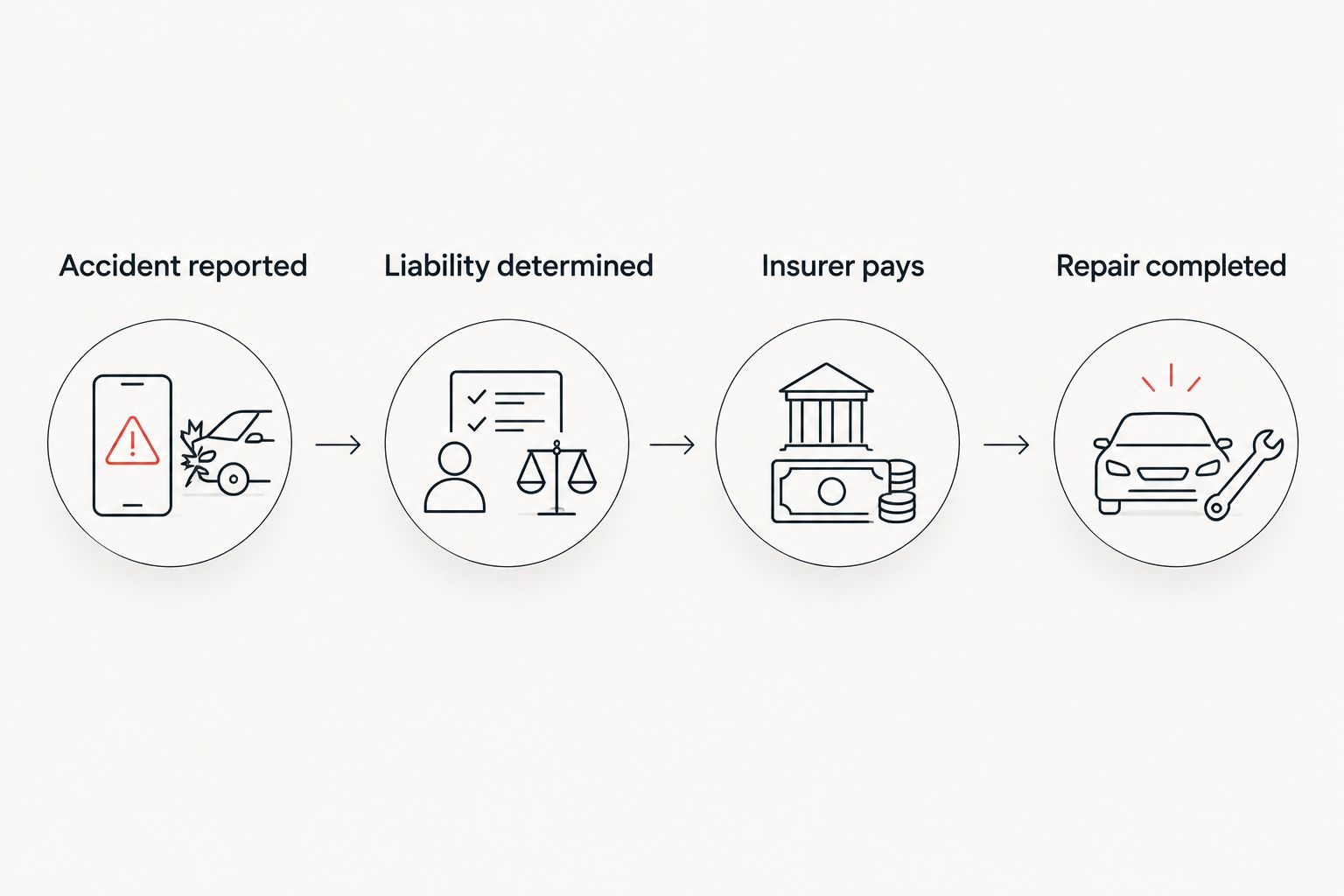
When the other driver caused the crash, their insurance company is responsible for paying your car accident repair bill — but that money rarely shows up before the shop needs to get started. Most people use their own collision coverage to pay upfront, then let their insurer recover the cost from the at-fault driver's insurer through a process called subrogation.
That gap between who's liable and who pays first is where most of the stress happens. Here's how it actually works in 2026, and what changes if fault is disputed or the other driver has no insurance at all.
- The at-fault driver's insurer owes the bill, but your own collision coverage often pays first through subrogation.
- Best Collision Center Long Beach handles the paperwork side of a car accident repair claim, including deductible assistance for eligible cases.
- Disputed fault or an uninsured driver changes who pays first — not whether you can get the repair done.
- Rental car coordination is available for eligible claims while your vehicle is in the shop in 2026.
Why this matters
Insurance companies move slowly. The at-fault driver's insurer has to investigate, confirm liability, and issue payment — a process that can stretch for weeks while your car sits damaged. Waiting for that process to finish before starting a car accident repair just adds more days without your vehicle.
The practical fix most Long Beach drivers use: start the repair through your own policy or self-pay, and let the insurance companies sort out reimbursement behind the scenes. You're not giving anything up by moving faster.
Who actually pays when the other driver caused the accident?
The payer depends on how clear liability is and whether the other driver carries insurance. Here's how the common scenarios break down.
| Scenario | Who pays first | What you do |
|---|---|---|
| Other driver admits fault, is insured | Their insurer, once the claim is approved | File a claim against their policy; repairs can often start before approval finishes |
| Fault is disputed | Your own collision coverage (if you have it) | Your insurer pays the shop, then recovers costs from the other insurer later |
| Other driver is uninsured or underinsured | Your uninsured/underinsured motorist coverage | File under your own policy; this coverage exists for exactly this situation |
| You don't want to file any claim | You, out of pocket | Self-pay repair, no claim filed with either insurer |
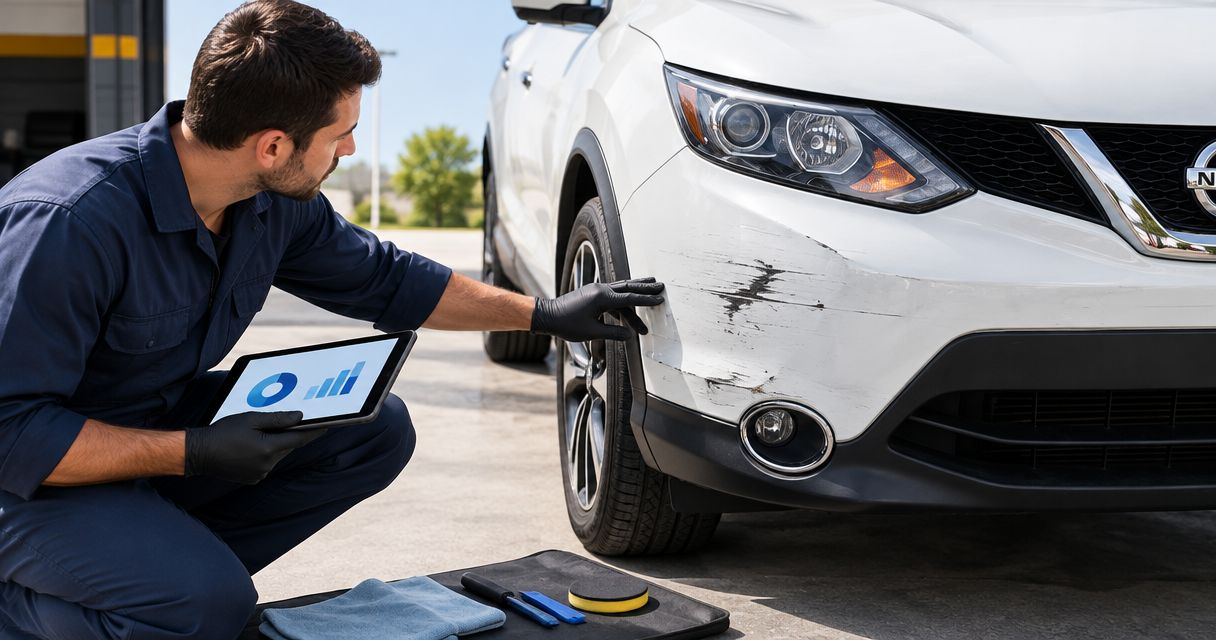
Self-pay is always on the table too. Bumper repair costs in Long Beach and other cosmetic work are sometimes cheaper to handle directly than to run through a claim, especially when the damage is minor.
Clear fault, insured driver: their insurer pays
When the other driver's insurance company accepts liability, they pay for the car accident repair, your rental car (if eligible), and any diminished value claim you file. This is the simplest outcome and usually the fastest once liability is confirmed.
You still need documentation: the police report, photos from the scene, and a written repair estimate. Best Collision Center Long Beach can put together that documentation alongside the repair estimate so the claim moves without extra back-and-forth.
Disputed fault: your insurer pays first, then recovers the cost
When both drivers blame each other, or there's no clear police report determination, the at-fault insurer may delay or deny payment while they investigate. Your own collision coverage can step in and pay for the repair now, with your insurer pursuing reimbursement from the other side afterward.
This is where a deductible usually applies upfront. If the other driver is later found fully at fault, insurers typically refund the deductible once subrogation is complete — but that outcome isn't guaranteed and depends on the specifics of the claim. Ask about deductible assistance eligibility before assuming either way.
Uninsured or underinsured driver: your own policy covers it
California doesn't require every driver to carry insurance, and plenty on the road don't. If the at-fault driver has no policy or not enough coverage to cover the damage, your uninsured/underinsured motorist (UM/UIM) coverage pays for the car accident repair instead, assuming you carry that coverage.
Without UM/UIM coverage, you're left filing against the other driver personally — a slower, harder path that rarely pays out quickly. This is one of the biggest arguments for carrying UM/UIM even at the state minimum.
Why who pays varies from claim to claim
- Police report findings — a clear citation against one driver speeds up liability acceptance
- Witness statements — missing witnesses make disputed-fault claims take longer
- Insurance company investigation timelines — some insurers move in days, others take weeks
- Coverage gaps — no UM/UIM coverage removes your fallback option if the other driver is uninsured
- Deductible terms — your policy's deductible rules determine what you pay upfront regardless of fault
- Shop choice — using a shop the insurer doesn't control can affect how fast estimates get approved, though it does not affect your right to choose your repair shop
Get your claim reviewed, not guessed at
Request an estimate and find out what's covered before repairs start.
Do I have to pay my deductible if the other driver is at fault?
You may have to pay your deductible upfront if your own collision coverage pays first, even when the other driver is at fault. Once liability is confirmed and your insurer recovers costs from the at-fault insurer through subrogation, the deductible is often refunded — but refund eligibility depends on your policy and the claim outcome, so it's worth asking before you assume it either way.
Can I choose my own body shop instead of the insurer's preferred shop?
Yes, you can choose your own body shop for a car accident repair regardless of which insurer is paying. Insurance companies can recommend a shop in their network, but California law doesn't require you to use it, and picking your own shop doesn't void your claim.
How long does it take for the at-fault insurer to pay for repairs?
There's no fixed timeline — it depends on how quickly the insurer accepts liability and processes the claim, which can range from days to several weeks in 2026. That's exactly why many drivers start the repair through their own coverage or self-pay rather than wait on the other insurer's process to finish.
FAQ
Who pays for car accident repair when the other driver is at fault?
The at-fault driver's insurance company is legally responsible, but your own collision coverage often pays the shop first while your insurer recovers the cost through subrogation. This gets the repair moving without waiting on the other insurer's investigation.
Do I need a police report to get my car accident repair covered?
A police report isn't always required, but it strongly supports your claim by documenting fault, especially when the other driver disputes what happened. Without one, liability determinations can take longer.
Will my insurance rate go up if the other driver was at fault?
Your rate shouldn't increase for an accident that wasn't your fault, since the claim is typically filed against the at-fault driver's policy or recovered through subrogation. Ask your insurer directly, since policies vary.
Can I get a rental car while my car is being repaired?
Rental car coordination is available for eligible claims while repairs are underway, subject to your policy and the claim details. Not every situation qualifies, so it's worth confirming eligibility before you count on it.
What if the other driver has no insurance?
Uninsured motorist coverage on your own policy pays for the car accident repair when the at-fault driver has no insurance or not enough of it. Without that coverage, you'd need to pursue the other driver directly, which is slower and less reliable.
Is it cheaper to self-pay for minor damage instead of filing a claim?
For small cosmetic damage, self-pay can be cheaper than filing a claim once you factor in deductible costs and potential rate effects, but it depends on the repair cost itself. Getting a written estimate first lets you compare the two paths before deciding.
How long does collision repair take after an accident?
Repair timelines depend on parts availability and the extent of the damage, and vary by shop and vehicle. Ask for a written timeline estimate once the damage assessment is complete.
One last thing
Most drivers assume they have to wait for the at-fault insurer's decision before touching their car — that's the single biggest reason repairs sit delayed for weeks in 2026. You don't have to wait. Starting the car accident repair through your own coverage, UM/UIM, or self-pay, and letting the insurers settle reimbursement afterward, is standard practice and doesn't weaken your claim.
Best Collision Center Long Beach walks through the documentation either way, including deductible assistance review for claims that qualify. If you're not sure which path applies to your situation, request an estimate and get a straight answer before repairs start.