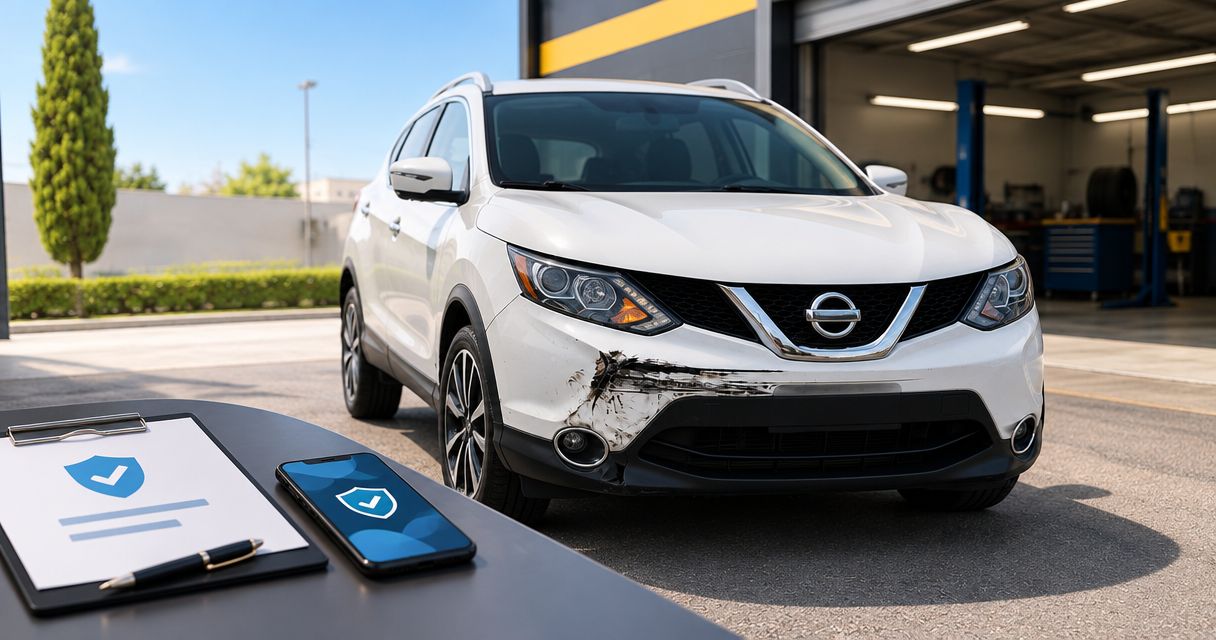
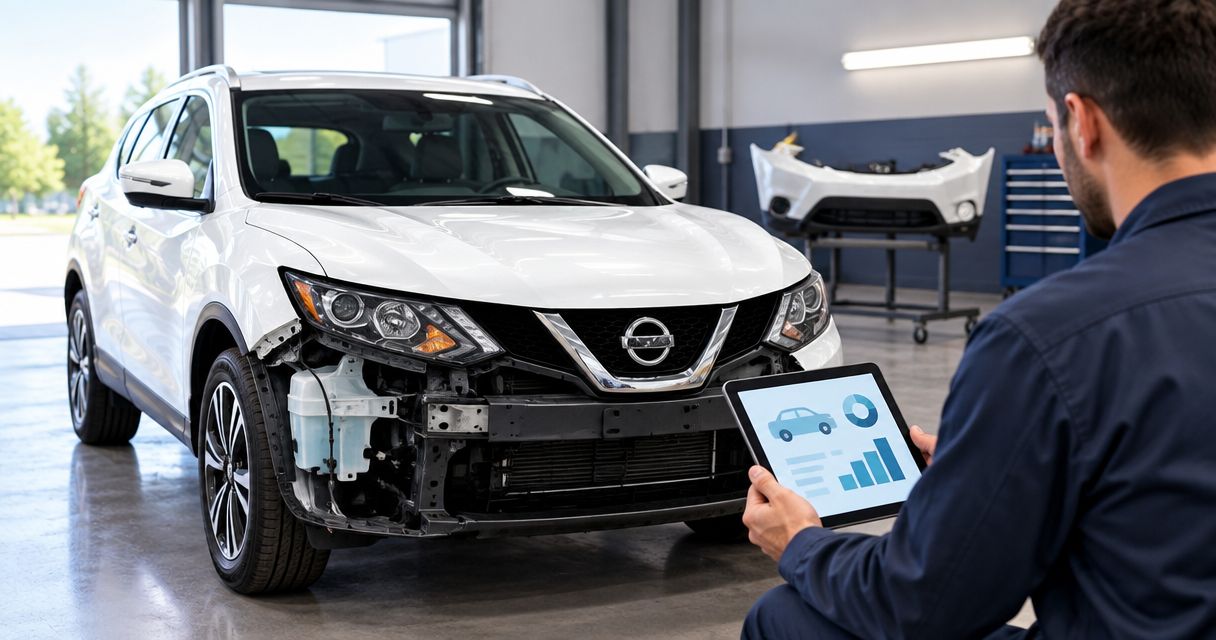
Yes, a body shop can revise its estimate after repairs begin when it finds additional damage or identifies work the original estimate did not include. For Long Beach drivers, the key protection is authorization: California repair rules require the shop to obtain your approval before performing additional repairs, and insurance approval is separate from your permission to proceed.
- A body shop estimate can change after teardown reveals hidden collision damage.
- California repair shops must obtain authorization before performing additional repairs.
- An insurance supplement requests payment; it does not replace your repair authorization.
- Bestcollisionlb suits Long Beach drivers seeking collision repair and insurance claim handling together.
Why this matters
A revised estimate can leave you worried about an unexpected bill, a longer repair, or an insurance dispute. The increase itself does not tell you whether something went wrong. The explanation, supporting documents, and authorization record tell you much more.
Start by separating the original damage from the newly proposed work. This guide to reading a body shop estimate line by line helps you identify parts, labor, and repair operations before discussing a change.
For a Long Beach repair in 2026, keep the conversation focused on what changed, why it changed, and what you are being asked to authorize. You do not need to understand every repair term to ask those questions.
Can a body shop change its estimate after repairs begin?
A body shop can change its estimate, but a revised estimate is not permission to perform additional work. California Bureau of Automotive Repair consumer guidance distinguishes the written estimate from the customer's authorization. Additional repairs require additional authorization, which the shop must document.
Collision damage is not always fully visible during the first inspection. Removing a bumper cover or another damaged exterior part can expose damage underneath. A revised estimate should explain those findings rather than simply replace the original total.
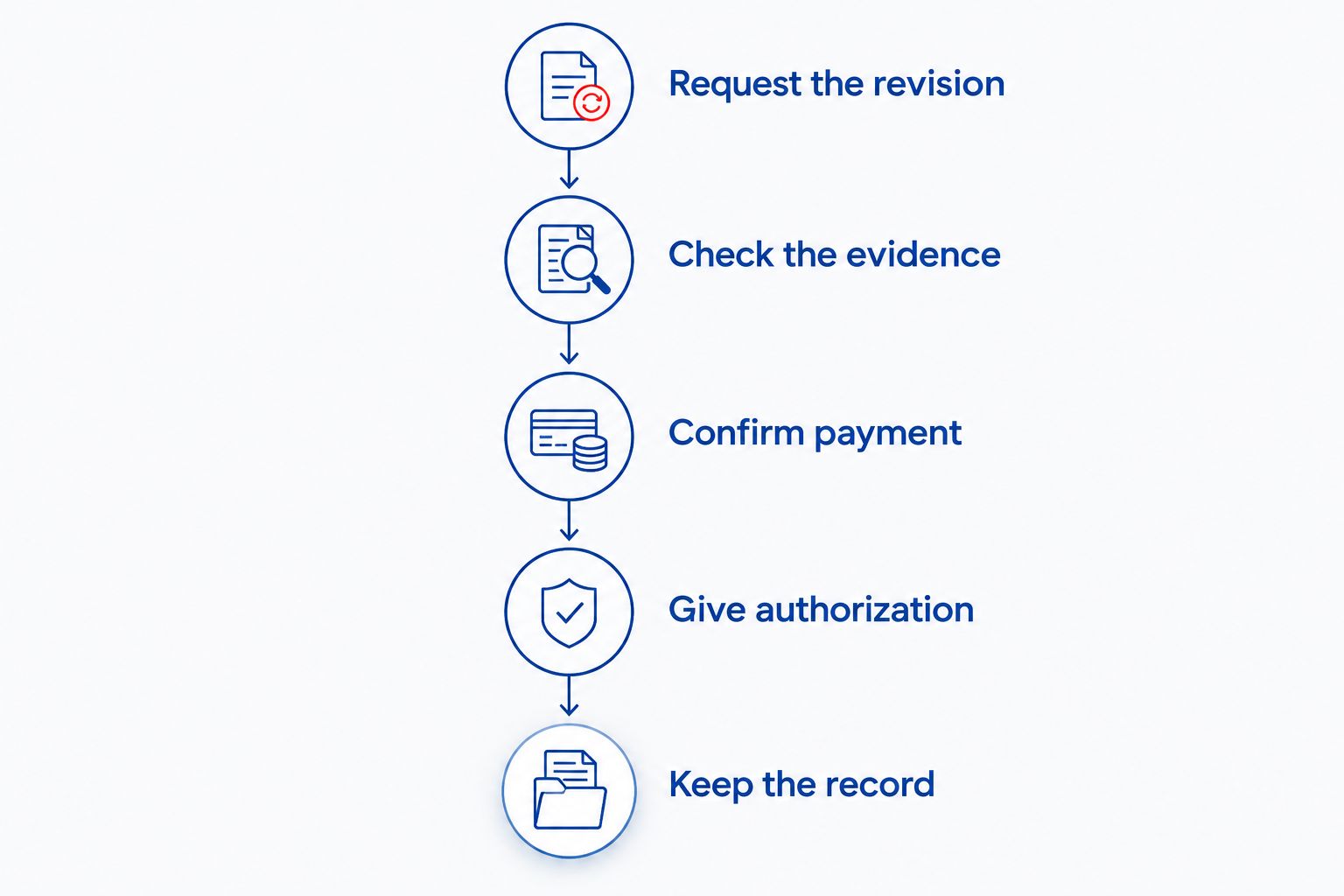
Use these steps when the shop contacts you about a change:
- Request the revision. Get an itemized copy showing the added, removed, or changed repair operations.
- Check the evidence. Ask for photographs or an explanation connecting the additional work to the damage.
- Confirm payment. Ask whether the insurer has reviewed the supplement and what remains your responsibility.
- Give authorization. Approve the agreed scope through the shop's documented authorization process.
- Keep the record. Save the revised estimate, your authorization, and the insurer's response.
These are separate steps, not interchangeable approvals. A shop submitting paperwork to your insurer does not establish that you agreed to every additional repair. Likewise, your permission to repair the car does not guarantee insurance payment.
What should the revised estimate show?
The revision should make the change understandable. Ask the shop to identify which operations are new, which original operations changed, and why. If the estimate lists a replacement part where it previously listed a repair, ask what inspection finding explains that decision.
Keep 3 documents together: the original estimate, the revised estimate, and the authorization record. That gives you a clear reference when speaking with the shop or insurer. Keep claim correspondence alongside them rather than relying on your memory of a phone call.
A repair supplement is not the same as an unexpected bill
A supplement is a request to adjust the insurance repair estimate for additional or revised work. It can include newly discovered damage or an operation omitted from the earlier estimate. The insurer reviews the request under the claim and policy; submission alone does not mean approval.
An unexpected bill raises a different question: what did you authorize, and what payment responsibility was explained? A legitimate repair finding still needs a documented approval process. Ask about both the technical reason and the authorization record.
| Situation | What it means | What you should check |
|---|---|---|
| Hidden damage documented after disassembly | The initial inspection did not show the full repair scope | Photographs, added operations, and your authorization |
| Repair method changes after inspection | The proposed approach differs from the original estimate | Why the method changed and what work it requires |
| Supplement submitted to insurance | The shop requested an adjustment to the claim estimate | Whether the insurer approved, disputed, or is reviewing it |
| Additional work appears only on the final invoice | The billing changed without an earlier explanation to you | The estimate revisions and authorization record |
The first situations can explain a revised estimate. The last requires a direct discussion about approval and billing. Do not treat an unexplained invoice increase as the same thing as a documented supplement.
Why a body shop estimate changes
The useful question is not whether the estimate increased. It is whether the change follows a documented finding and an appropriate repair procedure.
Common reasons include:
- Hidden damage: Exterior panels can conceal damaged brackets, reinforcement components, or other parts beneath them.
- A different repair method: Inspection can show that the originally proposed repair is unsuitable and replacement is needed.
- Required repair procedures: Vehicle-specific repair instructions can identify operations that were not included initially.
- Related components: Damage to mounts, wiring, or attached components can expand the repair scope.
- Estimate corrections: The shop and insurer can identify omitted operations or differences in how the repair was initially written.
Ask the shop to connect each added operation to its reason. A photograph helps explain damaged hardware. A vehicle-specific procedure helps explain a required operation that is not obvious from a photograph.
An explanation such as “there was more damage” is a starting point, not the whole answer. You should understand which damage was found and how the proposed work addresses it.
Your approval and the insurer's approval are separate
There are 2 approval questions: do you authorize the repair, and will the insurer pay for it? Resolve both before agreeing to additional work when payment is uncertain.
California Bureau of Automotive Repair guidance allows repair authorization through documented processes, including written, oral, or electronic authorization. Do not assume that only a signed paper can establish approval. Ask for a copy of the record showing what you approved.
The insurer makes a separate claim decision. It can request documentation, question an operation, or dispute whether particular damage belongs to the accident. Those discussions do not remove the need to explain the repair scope to you.
For your 2026 claim, ask the shop to distinguish these statuses clearly:
- The supplement has been submitted.
- The insurer has requested more information.
- The insurer has approved specified work.
- An operation remains disputed or unpaid.
“Insurance is handling it” does not identify which status applies. Ask for the current position before deciding whether to authorize work that could become your responsibility.
What should you ask before approving the revised estimate?
Use a short checklist instead of trying to interpret the whole claim at once. You need a clear account of the repair, the payment arrangement, and any effect on completion.
Ask these questions:
- What changed from the original estimate?
- What finding or repair procedure supports the change?
- Has the insurer approved this specific additional work?
- What would I be responsible for if insurance does not pay?
- Does this change the expected completion date?
- Will any rental arrangement need a separate review?
Keep 3 records from that conversation: the itemized revision, the written payment explanation, and the updated completion information. Request clarification where a response is unclear. A simple written summary helps prevent different understandings later.
If you are paying yourself, use the same process without the insurance step. Ask the shop to separate the requested repair from optional cosmetic work. Smaller body repairs and cosmetic repairs still deserve a clear scope and documented approval.
Do you have to pay more when the estimate changes?
A higher body shop estimate does not automatically mean a higher personal bill. Your responsibility depends on the repair authorization, the insurer's coverage decision, your deductible, and any work outside the covered claim.
Ask the shop to separate the insurance-related work from unrelated damage or optional work you requested. That makes it easier to see what belongs to the accident claim and what requires a separate payment decision.
Do not assume that deductible assistance changes what insurance covers. Assistance and claim approval are different matters. Rental arrangements also need their own review; a repair supplement does not automatically extend rental coverage.
For a Long Beach claim in 2026, request a clear explanation of your potential out-of-pocket responsibility before approving disputed work. Do not rely on an assurance that the insurer will “probably” pay later.
Can you decline the additional repairs?
You can withhold authorization for additional repairs while you ask questions or resolve payment concerns. That does not establish that the vehicle is safe to drive or that the original repair scope is still sufficient.
Ask what declining the added work means for the repair. Some findings affect the work already planned; others involve a separate cosmetic concern. The shop should explain the distinction without pressuring you to approve everything at once.
If you want to move the vehicle or stop the job, review the work already authorized and ask about charges already incurred under that agreement. Get the vehicle's condition and any transport requirements explained before arranging pickup.
What if the shop already did work you did not approve?
Start with the records. Request the original estimate, each revision, and the authorization details for the work you dispute. Ask when authorization was obtained and exactly which operations it covered.
Do not assume that an insurer's approval proves your authorization. Also, do not assume that a missing handwritten signature proves there was no authorization; the shop can document an oral or electronic approval.
If the explanation and records do not resolve the dispute, California's Bureau of Automotive Repair accepts consumer complaints about automotive repair businesses. Its consumer guidance is a useful reference for Long Beach drivers reviewing an estimate or authorization issue in 2026. Keep communications factual and retain copies of the disputed documents.
Where local claim handling helps—and where it stops
Bestcollisionlb is best for Long Beach drivers seeking collision repair and insurance claim handling in one place. The shop's services address the practical problem behind a revised estimate: coordinating repair questions with the claim process.
The benefit is having repair and claim handling connected. The limit is that claim handling does not guarantee an insurer's approval or eliminate your responsibility to review additional work.
Bestcollisionlb also handles deductible assistance and free rental car coordination, subject to eligibility. Ask for a review rather than assuming every deductible is waived or every rental arrangement qualifies. Self-pay and cosmetic body-repair enquiries are welcome, too.
FAQ
Can a body shop raise its estimate after taking my bumper off?
Yes, a body shop can revise its estimate when bumper removal reveals additional damage. Ask for an itemized revision and supporting evidence before authorizing the added repairs.
Does insurance have to approve every repair supplement?
No, submitting a supplement does not guarantee insurance approval. The insurer reviews the proposed work under the claim and policy, separately from your repair authorization.
Can a California body shop do extra repairs without asking me?
California repair rules require authorization for additional repairs. Ask for the authorization record if extra work appears on your invoice without an explanation you remember approving.
Is a text message enough to approve extra body work?
Electronic authorization can be documented under California repair guidance. Make sure the message clearly identifies the additional work you are approving and retain the conversation.
Will I owe more if my body shop estimate increases?
An increased body shop estimate does not automatically increase your personal bill. Ask which work insurance has approved and what remains your responsibility before authorizing the change.
What should I save for a repair estimate dispute in 2026?
Save the original estimate, revised estimates, authorization records, and insurer correspondence for a 2026 repair dispute. Together, they show what changed, what you approved, and how payment was addressed.
Can Bestcollisionlb review a changed estimate for a Long Beach repair?
Bestcollisionlb handles collision repair and insurance claims for Long Beach drivers. Request an estimate or claim review, including an eligibility review for deductible assistance or free rental car coordination if needed.
One last thing
An unchanged estimate is not automatically better than a revised one. The important distinction is whether the repair scope matches the damage and whether changes are explained before you authorize them. For your 2026 repair, keep the approval trail as carefully as the damage photographs.
Related guides
- Who approves extra collision repairs after hidden damage is found?
- What if the insurance estimate is lower than the body shop estimate?
- What hidden damage can raise a bumper repair estimate?
- What happens when rental coverage ends before repairs are finished?
If your estimate changed and you need help understanding the next step, request an estimate or insurance claim review. Bring the original estimate, the revision, and your claim correspondence. You can ask questions before deciding what to authorize.