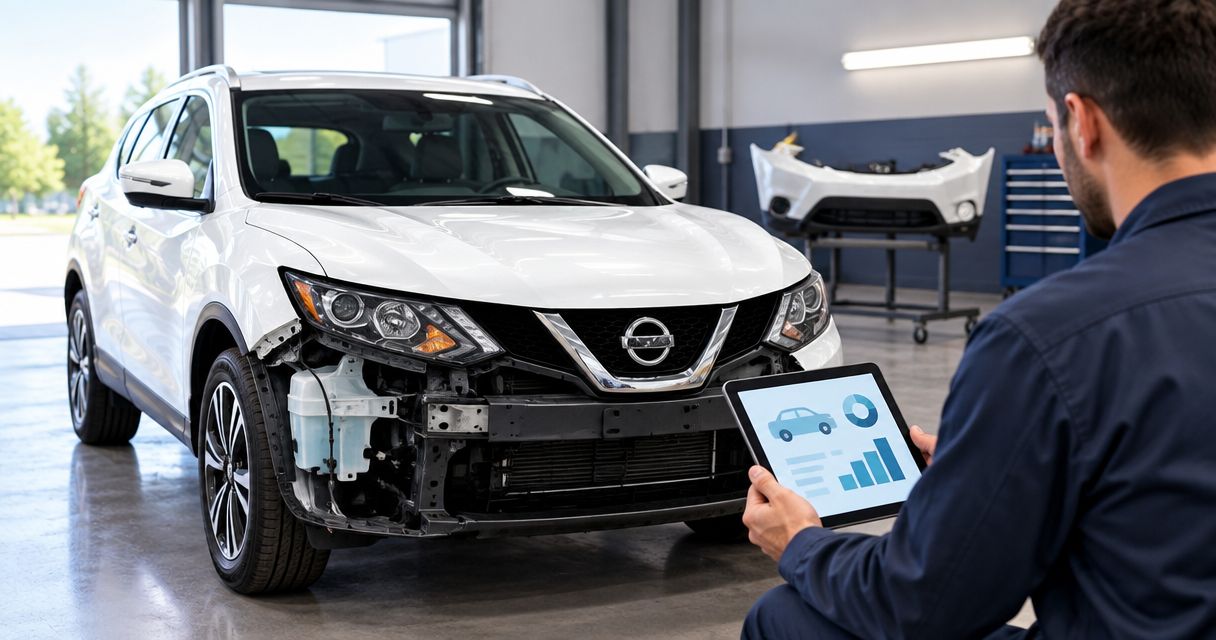

Two body shops give different repair estimates because they can list different damage, parts, labor operations, and repair methods for the same car. A lower body shop estimate is not automatically a better deal, and a higher estimate is not automatically more complete. When comparing estimates in 2026, check what each shop includes and how it will handle damage discovered after parts come off.
- Compare each body shop estimate by repair scope, not just the total.
- Best Collision Center Long Beach serves local drivers needing collision repair and insurance claim handling.
- Ask each shop to explain parts, labor, paint work, and hidden-damage assumptions.
- Confirm insurance decisions and your own payment responsibility before authorizing added work.
Why this matters
After an accident, you want a clear answer: what needs fixing, what insurance will cover, and what you will owe. Different estimates make that harder when the shops have not priced the same work.
Best Collision Center Long Beach is best for Long Beach drivers seeking collision repair with insurance claim handling. You can request an estimate or claim review through Best Collision Center Long Beach. Deductible assistance and free rental car coordination are subject to eligibility, so ask for a review rather than assuming either applies.
For a 2026 repair decision, start with the written scope. A total without an explanation does not tell you whether the shop has included everything your vehicle needs.
Why do two body shops give different repair estimates?
An estimate describes the work a shop expects to perform based on its inspection and repair plan. Differences appear when shops inspect different areas, choose different parts, or include different operations. Compare the documents line by line before deciding which total represents the same repair.
| Estimate item | Difference to check | Question to ask |
|---|---|---|
| Inspection scope | Visible damage only versus damage examined after disassembly | What areas have you inspected? |
| Repair method | Repairing a damaged component versus replacing it | Why does this component need this method? |
| Parts | Original-equipment, aftermarket, or recycled parts | What part type does each line specify? |
| Labor | Different operations, estimated hours, or rates | Which operations explain the difference? |
| Paint work | Different preparation, refinishing, or adjacent-panel work | What surfaces are included? |
| Vehicle systems | Different inspection, scanning, or calibration entries | Which procedures apply to my vehicle? |
These are differences to investigate, not findings about your car. Ask each shop to identify the exact lines that explain its total. A useful explanation connects the work to the damage and the vehicle's repair requirements.
A visible-damage estimate is not the same as a full inspection
A shop looking at the outside of a damaged bumper has less information than a shop that has examined the components behind it. Broken mounting points or damaged supports can change the repair plan once the cover is removed.
That does not make an initial estimate useless. It gives you a starting point, but you need to know its limits. Ask whether disassembly has happened and whether further inspection requires separate authorization.
Different labor entries can describe different work
Labor is not just the time spent straightening a panel or installing a replacement. An estimate can also include removing nearby components, transferring attached parts, preparing surfaces, and checking the completed repair.
Do not compare labor totals without comparing the operations underneath them. Ask the shop to explain unfamiliar entries in ordinary language and identify any work that appears elsewhere on the estimate.
Repairing a part versus replacing it
Repair and replacement are different plans, not simply different totals. The appropriate method depends on the damage, the component, and applicable vehicle repair instructions. You should not have to guess why one shop chose repair while another chose replacement.
| Approach | Best for | Benefit | Limitation |
|---|---|---|---|
| Repairing the existing part | Damage that can be properly repaired under applicable procedures | Keeps the existing component when repair is appropriate | Not appropriate for every crack, deformation, or mounting-point failure |
| Replacing the damaged part | Damage that requires replacement under applicable procedures | Removes a component that cannot be properly repaired | Can require associated removal, installation, refinishing, or vehicle-system work |
Choose the method supported by the damage and repair instructions. Do not ask a shop to omit necessary work just to match another estimate.
For a smaller cosmetic repair, ask what can be addressed separately and what the finished result will include. Self-pay body repairs are a valid option; the important distinction is between optional appearance work and work necessary for the repair you authorize.
Why a body shop estimate varies
The clearest explanation comes from specific differences on the page. Focus on these factors:
- Inspection depth: An exterior inspection and an inspection after disassembly do not provide the same information.
- Repair method: Repairing a component and replacing it involve different operations.
- Part selection: The estimate should identify the proposed part type and any relevant assumptions.
- Labor scope: Different operations, hours, and rates change the total.
- Refinishing scope: Preparation, paint work, and blending into adjacent panels affect what is included.
- Vehicle procedures: Scanning, measurements, or calibration belong in the plan when applicable instructions require them.
A meaningful comparison separates these factors. If several differ at once, a total alone cannot show which shop offers the more appropriate repair.
Parts deserve their own explanation
Original-equipment, aftermarket, and recycled parts are not interchangeable descriptions. Ask which type each shop proposes, why it is appropriate, and what your insurer has agreed to cover.
For a 2026 estimate, get the proposed part type in writing rather than relying on a general promise about quality. A part label alone does not establish whether the entire repair plan is complete.
Paint work needs a defined boundary
Two shops can include different refinishing areas for damage that looks similar from outside. Ask whether the estimate covers only the repaired panel or also includes work on adjacent panels for color matching.
The answer should explain the planned work, not promise a result from an estimate alone. Confirm which panels are included and how the shop will address the finish before you authorize the repair.
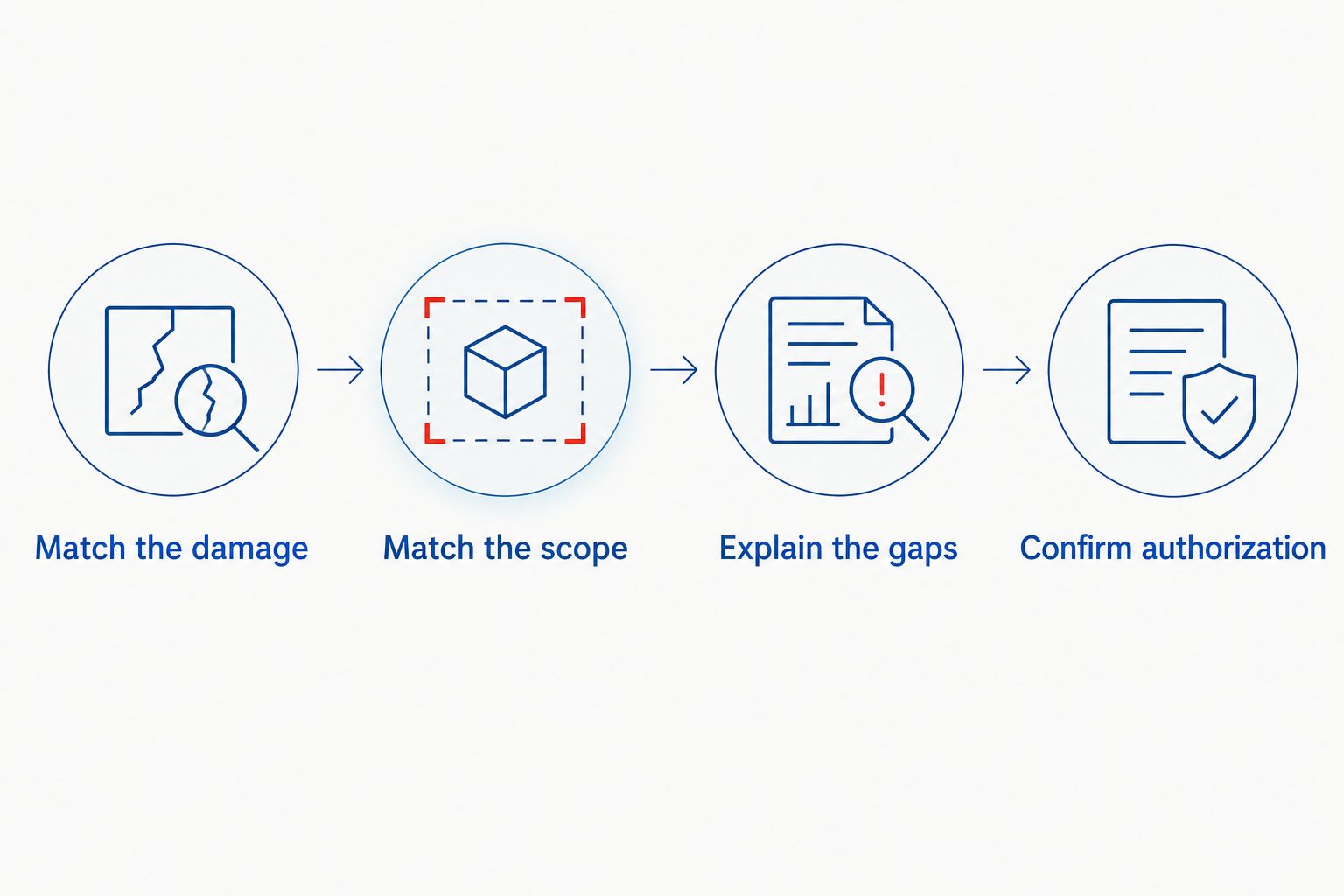
How do I compare two estimates without knowing repair jargon?
Compare two estimates by asking each shop to explain the same damaged areas and the same repair goal. You do not need to understand every abbreviation; you need a clear account of what is included, what is excluded, and what happens if the plan changes.
- Match the damage. Check that both estimates address the same accident damage and identify any unrelated cosmetic work separately.
- Match the scope. Confirm repair versus replacement, part types, refinishing areas, and applicable vehicle-system procedures.
- Explain the gaps. Ask each shop to identify omitted work, inspection limits, and assumptions that require confirmation.
- Confirm authorization. Get a clear explanation of additional-work approval, insurance review, and your payment responsibility.
Keep both estimates available during the conversation. Asking about a particular line is more useful than asking a shop to defend its total against another total.
If the paperwork feels dense, use this guide to reading a body shop estimate line by line. Mark the entries you want explained before speaking with either shop.
Does a higher estimate mean the shop does better work?
A higher estimate does not prove better work; it shows a different stated total for the proposed repair. It can reflect additional operations, different parts, or different labor assumptions, so ask for the explanation before treating it as a quality signal.
The same rule applies to the lower estimate. A lower total does not prove that necessary work is missing, but you should confirm the scope instead of assuming both documents describe identical repairs.
A clear repair plan matters more than an unexplained total. Look for an estimate that identifies the damaged areas, describes the proposed work, and explains how changes will be communicated.
What if the insurance estimate is lower than the shop estimate?
A lower insurance estimate does not settle which repair operations your vehicle needs. Ask the shop and insurer to identify the disputed lines and explain what documentation is needed for review.
An insurer's estimate and a shop's estimate can differ because they reflect different inspection information or proposed work. The shop can explain its repair plan, but coverage and payment decisions still depend on the policy and the claim review.
In 2026, keep the current estimate, claim correspondence, and any revised repair documentation together. Confirm what the insurer has accepted and what remains unresolved before agreeing to pay a difference yourself.
Ask how supplements are handled
A supplement is a request to add or revise repair work after the initial estimate. It can follow the discovery of hidden damage or a change in the documented repair scope.
Ask who submits the supporting information, who reviews it, and when you will receive an update. A submitted supplement is not the same as an approved payment. Confirm both the insurer's decision and your authorization for the added work.
Keep transportation separate from repair approval
Repair authorization and rental arrangements are separate questions. Confirm rental coverage or other arrangements directly rather than assuming they last as long as the repair does.
Best Collision Center Long Beach offers free rental car coordination subject to eligibility. Ask for a review of your situation and confirm the arrangement before relying on it for your daily travel.
What should I ask before signing a repair authorization?
Ask what you are approving, how the shop handles changes, and which expenses remain your responsibility. An estimate helps you compare proposed work; the authorization sets out what you permit the shop to do.
Use these questions to keep the conversation focused:
- Does this document authorize inspection, disassembly, repair, or all of those activities?
- What happens if additional damage is found?
- How will you contact me before work outside my authorization?
- Which insurance decisions are still pending?
- Are there separate charges or payment terms I need to understand?
- What deductible assistance or rental arrangements am I eligible for?
Keep a copy of what you sign. If you are paying yourself, ask for the same clear scope and change-approval process. You deserve an understandable plan whether the repair involves an insurance claim, a bumper scrape, or other body damage.
FAQ
Why is one body shop estimate higher than another?
One body shop estimate can be higher because it includes different parts, labor operations, inspection findings, or repair methods. Compare the included work before treating the total as a measure of quality.
Should I choose the lowest body shop estimate?
Choose the estimate with an appropriate, clearly explained repair scope, not simply the lowest total. Ask both shops to identify exclusions and explain how additional damage will be handled.
Can a repair estimate change after the shop removes parts?
A repair estimate can change when disassembly reveals damage that was not visible during the initial inspection. Ask how the shop documents the change and obtains authorization for added work.
Does insurance have to approve the body shop's entire estimate?
A shop estimate does not guarantee that insurance will approve every listed operation. Coverage and payment depend on the policy, the claim, and the insurer's review of the supporting repair documentation.
What should I check on a body shop estimate in 2026?
Check the damaged areas, repair methods, part types, labor operations, refinishing scope, and applicable vehicle procedures. Also confirm inspection limits, pending insurance decisions, and how you authorize changes.
Can I request an estimate for a small repair without insurance?
You can request a self-pay estimate for smaller or cosmetic body repairs. Ask for a written scope and keep optional appearance work separate from necessary repair operations.
Can Best Collision Center Long Beach help with my deductible and rental car?
Best Collision Center Long Beach offers deductible assistance and free rental car coordination subject to eligibility. Request a review to confirm which options apply to your repair and claim; neither is guaranteed for every customer.
One last thing
The most useful question is not whether a shop can match another total. It is: What would change in the repair plan to reach that total? That answer tells you whether you are comparing the same work or removing something from the scope.
Before authorizing your 2026 repair, request an estimate or insurance claim review. Bring both estimates and your claim information, if you have them. You can ask about insurance-covered repairs, self-pay work, deductible assistance, and rental eligibility without committing to a repair you do not understand.