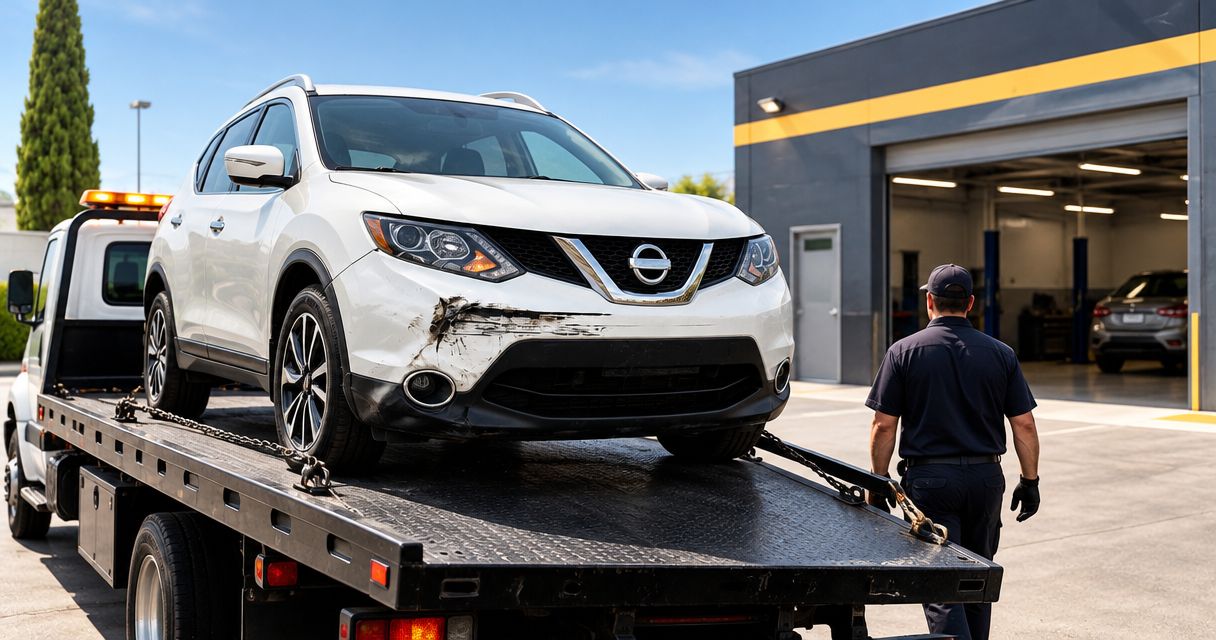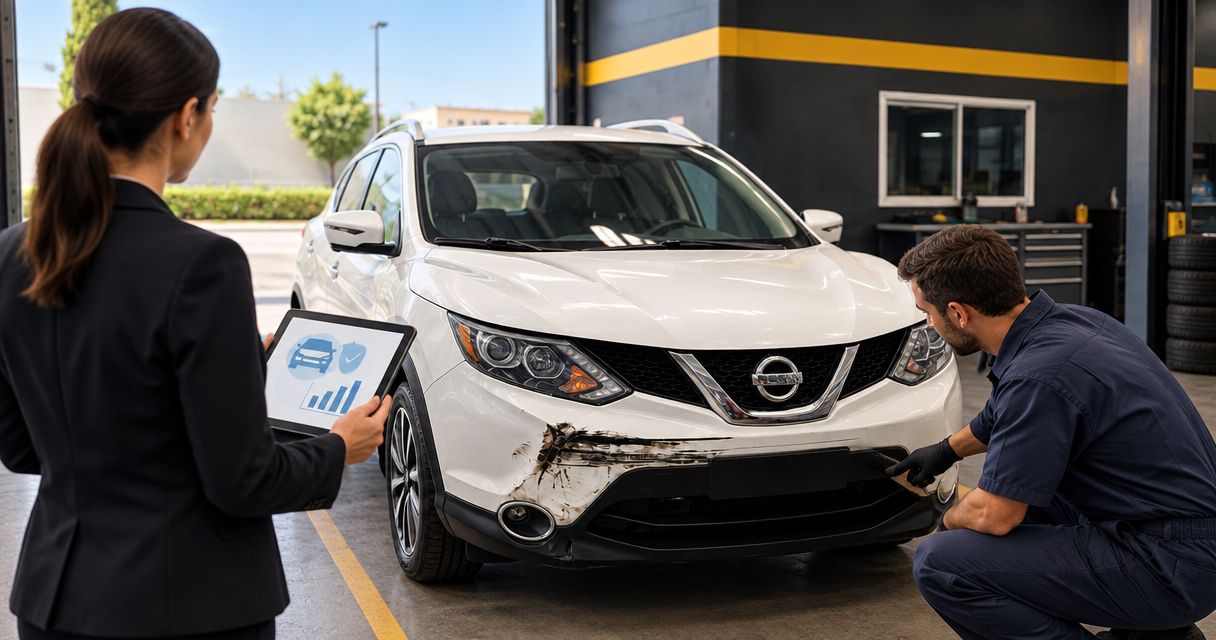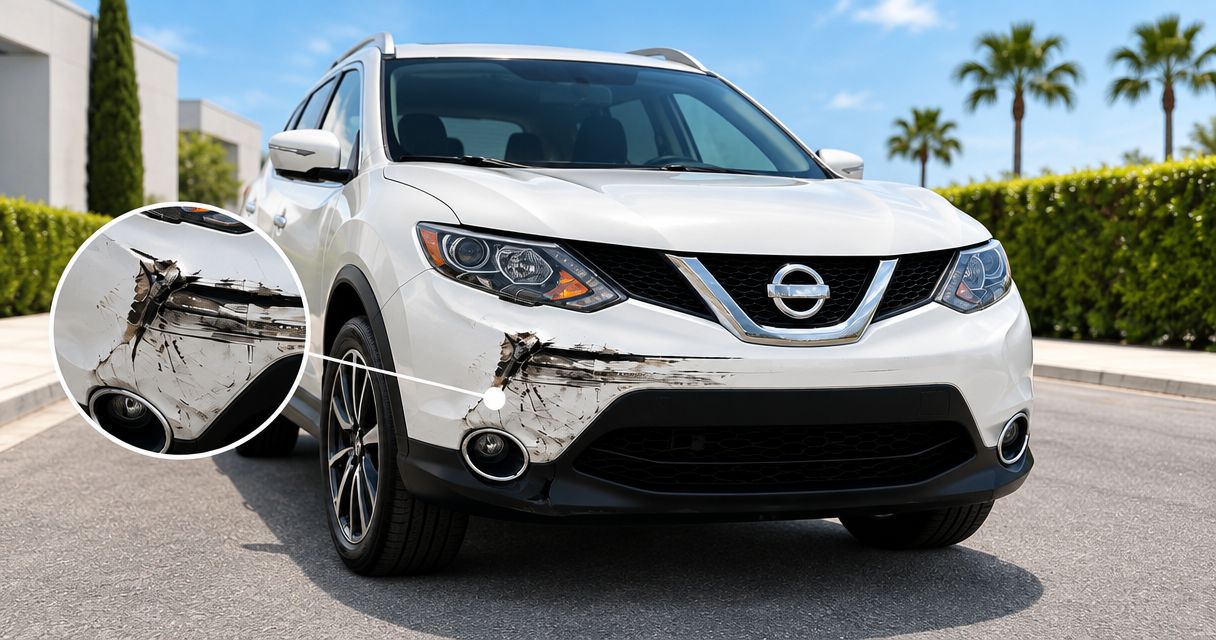
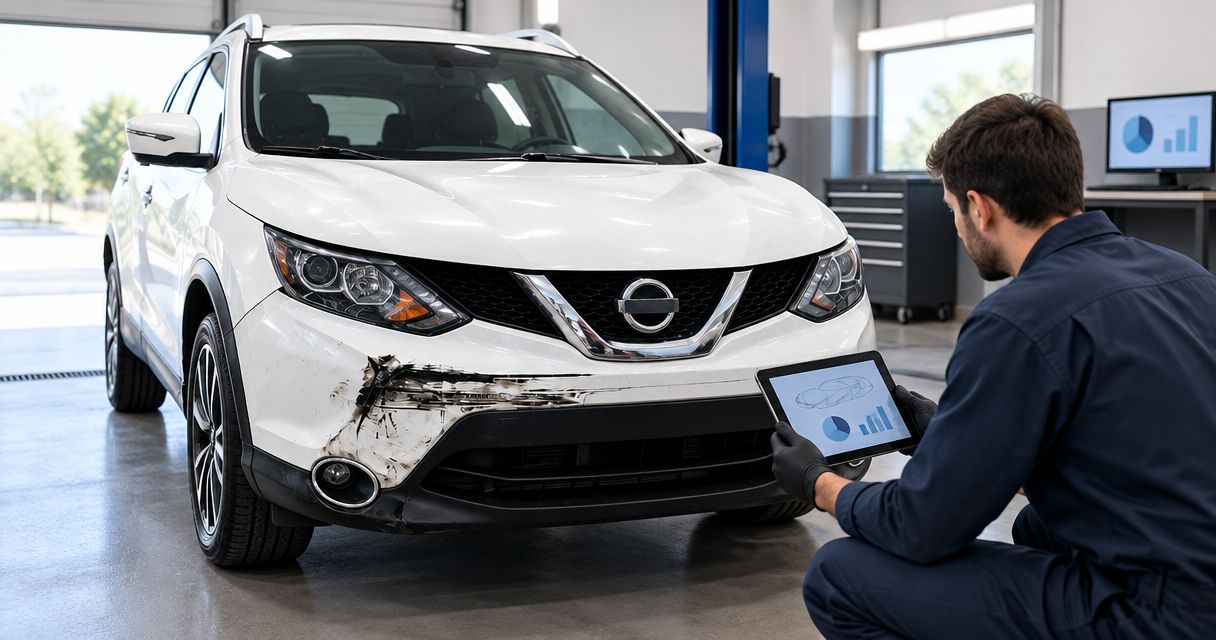
Yes, a car declared a total loss can still be repaired if the damage is repairable, but the insurer’s decision does not establish that repairs are safe or financially sensible. For Long Beach drivers considering car accident repair in 2026, keeping the car also means resolving the settlement, title status, registration requirements, and payment for repairs before putting it back on the road.
- A total-loss decision does not automatically mean a car is physically beyond repair.
- Car accident repair requires separate decisions about safety, settlement, title status, and your out-of-pocket responsibility.
- Best Collision Center Long Beach is a fit for local drivers seeking collision repair and insurance claim handling.
- Repairing a salvage vehicle does not erase its salvage history.
Can a car declared a total loss still be repaired?
Yes. A total loss is an insurance decision, not a repair authorization or a safety certificate. An insurer can decide that paying the vehicle’s value makes more financial sense than paying for repairs, even when repairing the vehicle is physically possible.
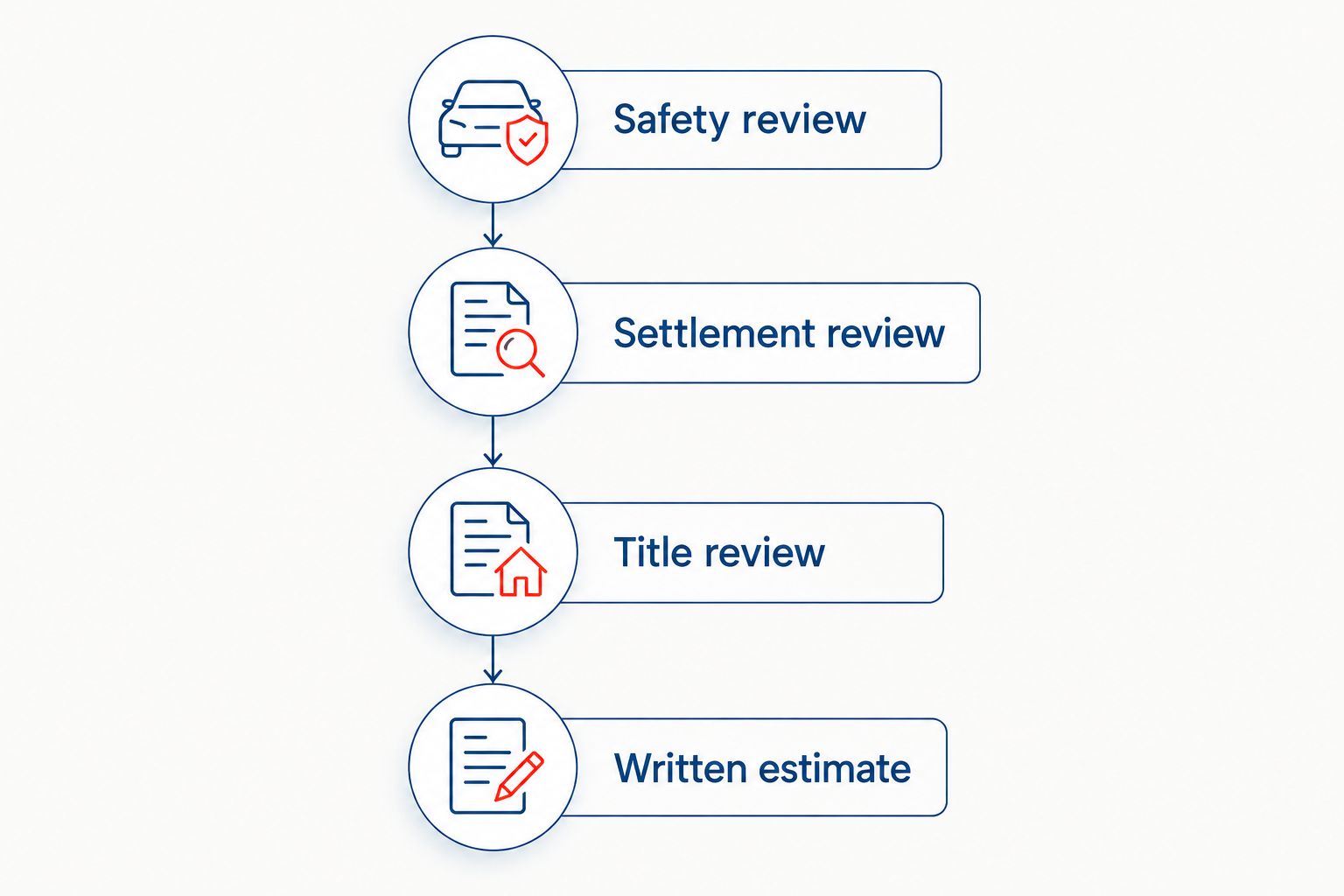
Start with these separate questions:
- Safety review: Can the damaged vehicle be repaired using appropriate repair procedures?
- Settlement review: What changes if you keep the vehicle instead of surrendering it?
- Title review: What title and registration requirements apply in California?
- Written estimate: What repair work will you authorize, and who will pay for it?
Best Collision Center Long Beach handles car accident repair and insurance claim handling for drivers in the Long Beach area. That service is relevant when you need help understanding repair documentation, not just a verbal answer about whether the car can be fixed.
Ask for the insurer’s total-loss explanation and settlement terms in writing. Then compare those documents with a repair assessment. Neither document replaces the other.
Why this matters before you agree to a settlement
You do not have to treat an insurer’s total-loss decision as proof that the car is impossible to repair. You also should not treat a running engine or a straight-looking bumper as proof that the vehicle is safe.
The decisions serve different purposes. The insurer addresses the claim and settlement; a repair assessment addresses the damage and necessary work. California title and registration requirements determine what must happen before a salvage vehicle returns to road use.
For a 2026 claim, separate the decision to keep the car from the decision to repair it. Understanding both before you sign helps you avoid accepting responsibilities you have not reviewed.
Keeping the car versus surrendering it
Your insurer can explain whether owner retention is available for your claim and how it affects the settlement. If a lender or leasing company has an interest in the vehicle, include that company before agreeing to keep it.
| Option | Best for | Main advantage | Main limitation |
|---|---|---|---|
| Surrender the vehicle through the settlement | Drivers who do not want to manage salvage repairs | You avoid taking responsibility for rebuilding that vehicle | You give up the vehicle and need another transportation plan |
| Keep the vehicle and arrange repairs | Drivers with a documented repair plan and a clear understanding of title requirements | You retain the vehicle and decide whether to proceed with repairs | You take on repair, paperwork, inspection, and insurance questions |
Keeping the vehicle is not the same as receiving a settlement and automatically having all repairs paid for. Retaining the salvage can reduce the settlement amount, and the insurer must explain the calculation for your claim.
Ask what happens to the vehicle, title, and claim payment under each option. Get the answer in writing. If you have an outstanding loan, also ask how the settlement is handled and whether any balance remains your responsibility.
What makes a totaled car repairable?
The useful question is not whether someone can make the car look normal. It is whether the repair plan addresses the damage and the vehicle’s safety systems.
A collision can affect structural components, suspension, steering, airbags, seat belts, wiring, and driver-assistance equipment. Exterior damage does not show the full condition of those systems. A bumper cover can hide damage behind it.
A written assessment should distinguish visible damage from damage that requires further inspection or disassembly. Ask the shop to explain which findings are confirmed and which parts of the estimate remain unresolved.
Useful questions include:
- What damage affects safe operation rather than appearance?
- Which components need repair, replacement, measurement, or testing?
- Does the repair plan follow the vehicle manufacturer’s applicable procedures?
- Are scans, calibrations, or other checks required for this vehicle and damage?
- What additional damage could change the estimate after disassembly?
Do not approve a cosmetic-only plan when safety-related damage remains unresolved. Small or cosmetic repairs are valid enquiries, but they must not be confused with completing a collision repair that makes the vehicle suitable for road use.
What should you do before repairing a total-loss vehicle?
Use this sequence before committing to repairs. It keeps a stressful claim from turning into a repair agreement with unanswered questions.
Safety review
Arrange an assessment of the collision damage. Describe warning lights, unusual steering, fluid leaks, airbag deployment, and anything that changed after the accident.
Do not drive the vehicle simply because it starts. If its condition is uncertain, arrange transport rather than testing it on Long Beach streets.
Settlement review
Request the total-loss valuation, settlement calculation, and owner-retention terms. Ask which documents you must sign and what each document authorizes.
If you disagree with the vehicle valuation, ask how to submit supporting information. Relevant records can include the vehicle’s trim, mileage, options, condition, and comparable vehicles used in the valuation. Keep the repair dispute separate from the valuation dispute: they involve different evidence.
Title review
Confirm the vehicle’s title status and the California DMV requirements that apply to retaining and rebuilding it. Do not assume that keeping possession means its existing registration remains sufficient.
For a 2026 repair decision, check current DMV instructions before arranging inspections or submitting paperwork. Required verification and inspection steps depend on the vehicle’s status; a shop invoice alone does not complete registration.
Written estimate
Request an itemized estimate and identify who will authorize and pay for the work. Ask how additional damage will be documented and how changes will be approved.
Before signing, understand any charges for assessment, disassembly, storage, towing, or reassembly. Ask what happens if you decide not to proceed after the damage is examined.
Why the decision to repair varies
There is no universal answer for every totaled vehicle. The decision depends on the actual damage, settlement terms, and responsibilities you accept.
- Damage extent: Structural and safety-system damage changes the work required, even when exterior damage looks limited.
- Vehicle value: The insurer’s valuation affects the financial comparison behind the total-loss decision.
- Hidden damage: Disassembly can reveal work that was not included in the initial estimate.
- Settlement terms: Keeping the vehicle changes what you retain and what payment you receive.
- Title requirements: A salvage vehicle needs the applicable California paperwork and inspection process before registration for road use.
- Ownership obligations: A lender or leasing company’s interest must be addressed before you agree to retain the vehicle.
Compare the repair plan with your transportation needs and your ability to manage the remaining obligations. A repairable car is not automatically the right car for you to rebuild.
Can you repair a totaled car without a salvage title?
Not simply by paying for the repairs yourself. In California, salvage status follows the vehicle’s applicable legal and reporting requirements, not your preference for a clean title.
A vehicle restored after being reported as salvage is handled through California’s revived-salvage process. Repairing the damage does not erase the vehicle’s salvage history. Keep the repair and inspection records because future insurers and buyers can ask about that history.
Also distinguish salvage from a nonrepairable designation. California treats a nonrepairable vehicle differently; it cannot be rebuilt and registered for road use through the ordinary revived-salvage process. Confirm the actual designation before spending money on repairs.
Will insurance pay to repair a car after declaring it totaled?
A total-loss settlement is not an open-ended promise to pay the repair bill. Your payment and obligations depend on the policy, claim, ownership arrangements, and settlement terms.
If you keep the car, ask the adjuster to explain what the settlement covers and what work becomes your responsibility. Do not authorize repairs based on an assumption that another payment will follow.
Best Collision Center Long Beach offers deductible assistance and free rental car coordination subject to eligibility. Call for a review rather than assuming those options apply to every total-loss claim, every repair, or the entire time you need transportation.
Can you drive a totaled car after it is repaired?
Repairs alone do not establish permission to drive a salvage vehicle on public roads. You need the applicable California registration requirements completed and insurance in place, as well as a repair that addresses the damage.
Ask your insurer about coverage for the repaired vehicle before you rely on it for daily transportation. Do not assume your previous coverage continues unchanged after a total-loss settlement.
For a 2026 return-to-road decision, confirm the current requirements with the DMV and your insurer. Keep copies of the repair paperwork and any required inspection or verification records together.
What expenses should you review before keeping the car?
Focus on the complete responsibility, not just the initial body-repair estimate. A settlement can look workable until you account for the items that remain outside the repair scope.
Ask for a written explanation of:
- What is included in the repair estimate and what is excluded.
- How additional damage will be handled after inspection or disassembly.
- Who pays for towing, storage, and transportation.
- What paperwork, inspections, and registration steps you must arrange.
- Whether a loan balance or other ownership obligation remains.
- What insurance coverage is available after the repair.
Self-pay car accident repair is an option to discuss when you are responsible for the work. Best Collision Center Long Beach welcomes body-repair enquiries, including smaller, cosmetic, and self-pay repairs. The decision should follow the documented damage and your needs, not pressure to make an insurance claim.
What if you disagree with the total-loss decision?
Ask the insurer to explain the decision before you argue against it. Request the valuation report, the damage estimate used in the decision, and the calculation supporting the settlement.
Check the factual details first. Incorrect mileage, trim, options, or vehicle condition can affect the valuation discussion. Submit supporting records and ask for a written response to any correction you request.
A repair shop can explain the repair scope and document damage. That does not guarantee the insurer will reverse the total-loss decision or approve a different settlement. If the disagreement remains unresolved, review the dispute options in your policy and the consumer assistance available through the California Department of Insurance.
FAQ
Does total loss mean my car cannot be fixed?
No. A total loss is an insurance decision, and some total-loss vehicles are physically repairable. A separate assessment must establish the repair scope and address safety-related damage.
Can I keep my car after insurance declares it totaled?
Ask your insurer whether owner retention is available for your claim. Review the settlement reduction, title requirements, and any lender or leasing-company obligations before agreeing.
Will repairing my totaled car give it a clean title again?
Repairing a salvage vehicle does not erase its salvage history. In California, a restored salvage vehicle must follow the applicable revived-salvage registration process.
Can I drive a totaled car if it still runs?
A running engine does not establish that a totaled car is safe or legally ready for road use. Confirm its condition, title and registration status, and insurance before driving it.
What should I check before repairing a totaled car in 2026?
Check the damage assessment, settlement terms, California title requirements, and written repair estimate before authorizing repairs in 2026. Confirm who pays for work outside the settlement.
Does Best Collision Center Long Beach help with insurance claims?
Best Collision Center Long Beach handles insurance claims and collision repair for Long Beach drivers. Deductible assistance and free rental car coordination depend on eligibility; call for a review.
Can I request body repairs without using insurance?
Yes. Self-pay and smaller cosmetic body-repair enquiries are welcome. Request an estimate and make sure any safety-related damage is addressed separately from appearance-only work.
One last thing
Do not let the total-loss label make the decision for you. Before you keep the car, confirm that you understand the repair scope, settlement, title process, and your remaining responsibilities.
One useful question is: What will I still need to pay for or arrange after accepting this settlement? Ask the insurer and repair shop to answer their respective parts in writing.
Related guides
- How to compare auto body shops in Long Beach
- What hidden damage can raise a bumper repair estimate?
- Can you drive your car before accident repairs are finished?
- What should you check after auto body repair in Long Beach?
If you are deciding whether to repair a totaled car in Long Beach, request an estimate or insurance claim review. You can ask about insured repairs, self-pay work, and eligibility for deductible assistance or free rental car coordination without committing to repairs.