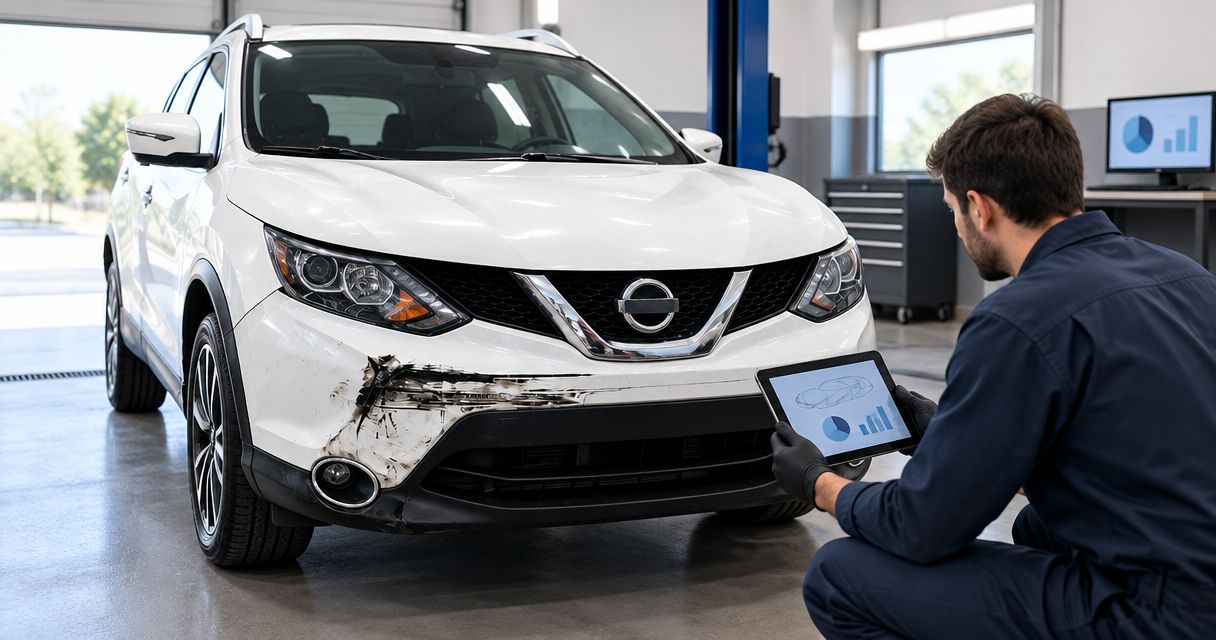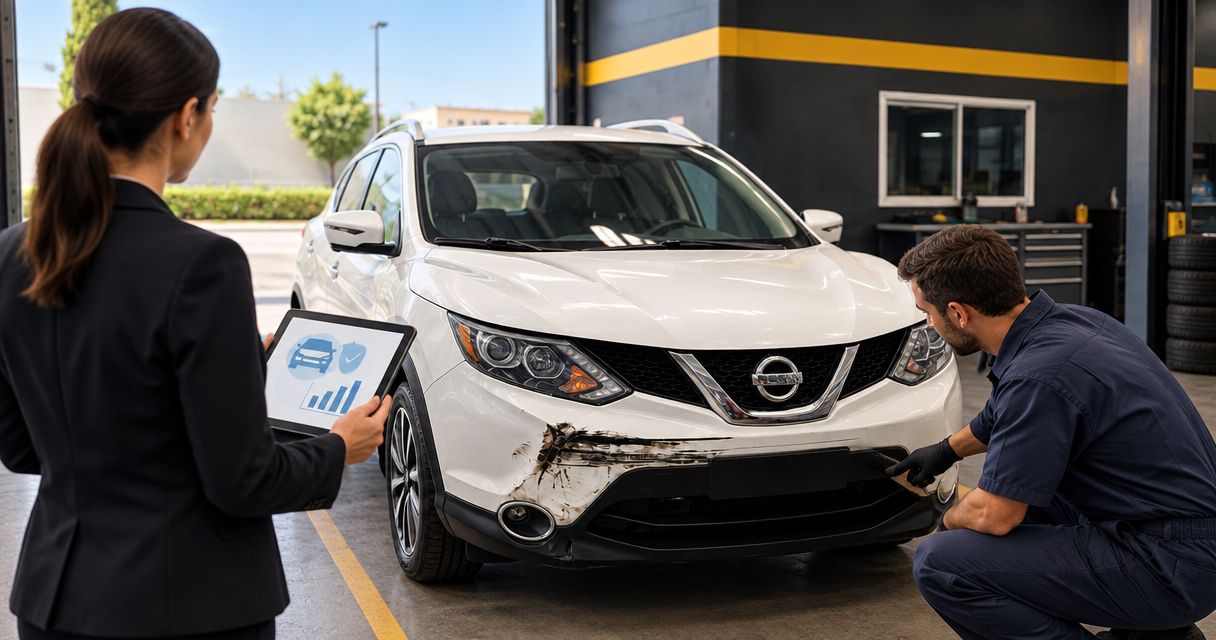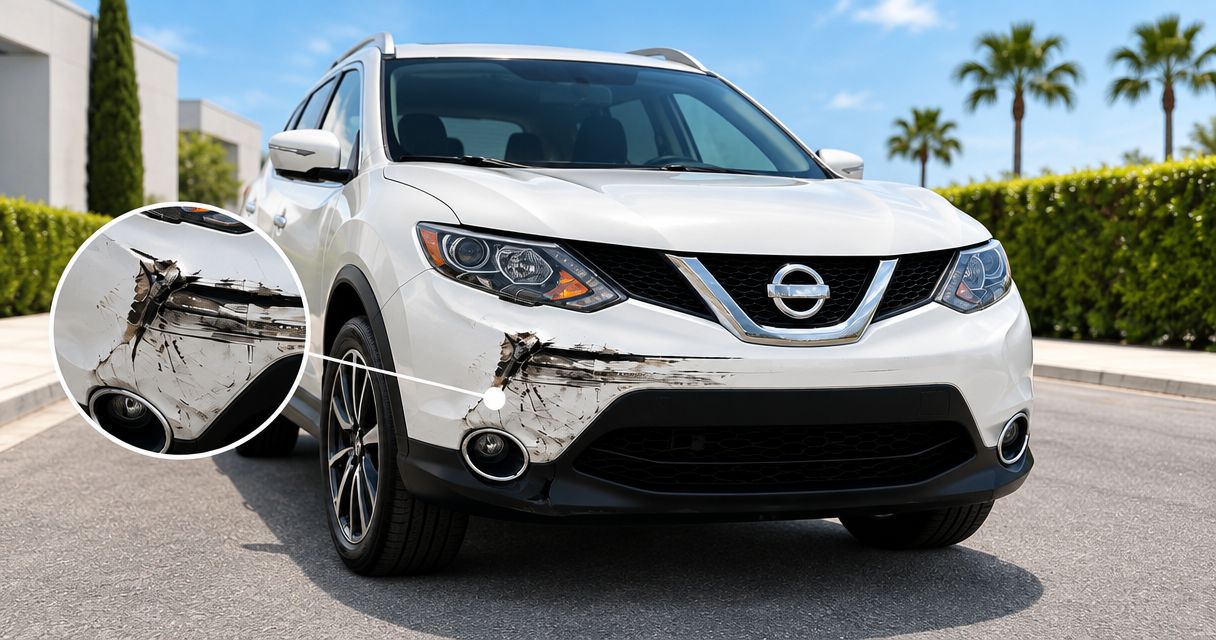
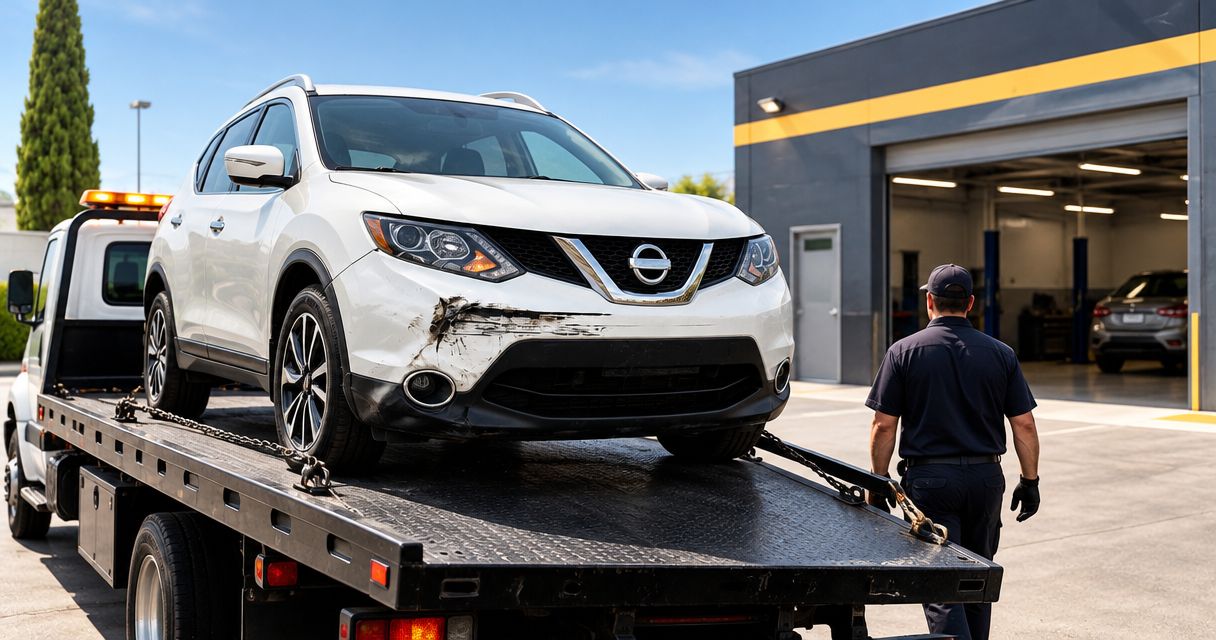
To move a damaged car from a tow yard to a body shop, confirm the shop can receive it, satisfy the yard’s release requirements, and arrange a tow with the vehicle’s condition clearly described. Before pickup, confirm who authorizes the move, who pays the towing and storage charges, and whether the insurer needs to inspect the car first.
- For car accident repair, confirm the body shop’s receiving arrangements before releasing your vehicle from the tow yard.
- Ask the tow yard for release requirements and an itemized balance before booking another tow.
- Insurance claim coverage and permission to move the vehicle are separate questions; confirm both.
- Best Collision Center Long Beach helps local drivers with collision repair and insurance claim handling.
How do you move a damaged car from a tow yard to a body shop?
Arrange the destination first, the release second, and the tow third. A truck arriving before the paperwork or receiving arrangements are ready creates another problem when you already have enough to handle.
For local car accident repair, Best Collision Center Long Beach handles collision repairs and insurance claim handling. Ask for a claim review and explain that your vehicle is still at a tow yard; do not assume the shop has already arranged its transfer.
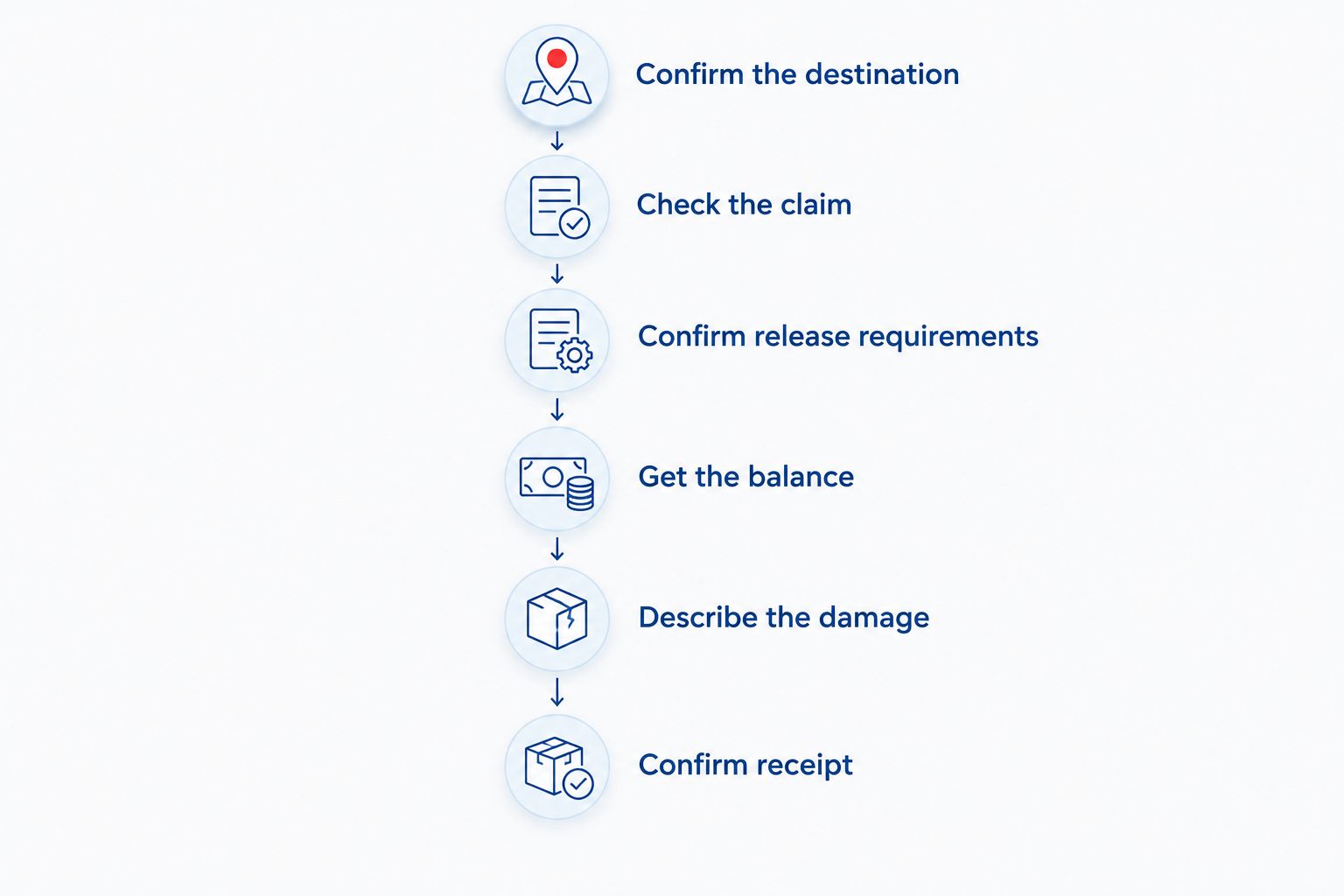
Use this sequence for a 2026 accident claim in Long Beach. Keep the yard, towing company, body shop, and insurer working from the same information.
1. Confirm the destination
Call the body shop before booking transportation. Describe the accident damage and ask whether the shop can receive the vehicle in its current condition.
Give the shop the vehicle’s make and model, the yard’s name, and your claim number if you have one. Tell the shop whether the vehicle rolls, steers, or has damaged wheels. Ask who should receive it and where the tow driver should unload it.
Confirm the receiving arrangements directly. A business address alone does not tell the tow driver whether an unattended drop-off is acceptable.
2. Check the claim
Tell the claims representative where the car is and where you want it moved. Ask whether an inspection is needed before the move and how towing and storage expenses will be handled under your claim.
Get a clear answer about authorization and payment. An open claim does not, by itself, confirm that every towing or storage charge will be covered.
If the insurer wants the car inspected at the yard, ask who is scheduling that inspection and what must happen before transfer. If the vehicle is being evaluated as a total loss, confirm its intended destination before sending it for repairs.
3. Confirm release requirements
Call the yard and ask exactly what it needs to release your vehicle. Requirements can include identification, proof that you can authorize release, payment arrangements, and permission for the towing company to collect it.
If police or another authority placed a hold on the vehicle, ask what release authorization is required. Do not send a truck until the yard confirms that collection is allowed.
Ask whether you must attend in person or can authorize pickup another way. Get the name of the person who confirmed the requirements and keep any written instructions.
4. Get the balance
Request an itemized statement showing towing, storage, and other charges. Ask when the balance was calculated and whether additional storage charges will apply before the planned pickup.
Share the statement with the insurer if you are seeking reimbursement or direct payment. Ask who will settle the yard’s balance and whether payment must be completed before release.
Do not treat a reimbursement request as a confirmed payment arrangement. The yard and the payer need to agree on how the release balance will be handled.
5. Describe the damage
Tell the towing company more than the vehicle’s location. Explain whether the car has a damaged wheel, cannot steer, has loose body panels, leaks fluid, or has no accessible keys.
The towing operator needs those details to choose suitable equipment and plan loading. Do not decide that a car is safe to drive because the engine starts.
If you are considering driving instead, read whether you can drive before accident repairs are finished. Arrange towing when the vehicle’s safety is uncertain.
6. Confirm receipt
Before dispatch, confirm the pickup arrangements with the yard and the receiving arrangements with the body shop. Give the towing company the correct destination and a receiving contact.
After delivery, ask the body shop to confirm that the vehicle and keys arrived. Keep the towing receipt, yard statement, release paperwork, and delivery confirmation together.
Delivery does not automatically authorize repairs. Ask the body shop what estimate review and repair authorization are needed next.
Why this matters
The transfer is not just a towing appointment. It connects the yard’s release rules, the insurer’s claim process, and the body shop’s receiving arrangements.
Storage charges can continue while a vehicle remains at a yard. A failed pickup also leaves the car in the same place, with the repair process still waiting.
For a 2026 Long Beach claim, your immediate goal is a confirmed handoff. You do not need every repair detail settled before asking the right transfer questions.
Who should arrange the tow?
Choose the arrangement with a named coordinator and clear payment instructions. You can ask the insurer about transportation or arrange a towing company yourself, but neither route removes the need to confirm release.
| Transfer arrangement | Best for | Main advantage | Main limitation |
|---|---|---|---|
| Insurer-arranged tow | Drivers seeking claim-related transportation | Gives you a claims contact to ask about authorization and payment | You still need confirmation of coverage, yard release, and the destination |
| Independently arranged tow | Drivers managing the transfer directly, including self-pay repairs | Lets you coordinate directly with the towing operator | You must confirm payment yourself; reimbursement is not automatic |
Ask who owns the next step. If the insurer is arranging transport, get the dispatch contact. If you are arranging it, confirm the towing company has the yard’s release instructions before it sends a truck.
Do not book competing pickups while waiting for an answer. Tell everyone involved when the arrangement changes so the vehicle is not assigned to conflicting destinations.
Why tow-yard transfers vary
The same damaged vehicle can face different transfer requirements depending on its condition and the claim status. These are the factors to check:
- Release authority: The yard needs confirmation that the person requesting collection can authorize it.
- Payment arrangements: An unpaid balance or unresolved payment method can prevent collection.
- Vehicle condition: Damaged wheels, steering problems, or loose parts affect loading and transportation.
- Claim inspection: The insurer’s inspection arrangements can affect where the vehicle should go next.
- Receiving arrangements: The body shop must confirm how and when the vehicle will be accepted.
- Keys and access: Missing keys or limited access can complicate loading and unloading.
Ask about these before discussing a pickup window. A scheduled truck does not resolve an incomplete release.
What should you ask about towing and storage charges?
Ask for the itemized balance, the payer, and the payment method. Those answers matter more than an informal assurance that insurance will handle everything.
For a 2026 claim, keep these expenses separate from the repair estimate. Moving the car, releasing it from storage, repairing the damage, and applying a policy deductible are different parts of the process.
Use these questions when you speak with the insurer and the yard:
- What charges are currently due to release the vehicle?
- Will storage charges continue before the scheduled pickup?
- Who is paying the yard directly?
- If I pay first, what documents are required for reimbursement?
- Has towing to my selected body shop been authorized under the claim?
- What expenses remain my responsibility?
If an answer is unclear, ask for written confirmation. Save the statement and receipts even when another party pays directly.
For self-pay repairs, ask the towing company and body shop for separate estimates of their work. Small dents, scraped panels, and cosmetic body damage are valid reasons to request an estimate; an insurance claim is not required to ask for help.
What paperwork should stay with you?
Keep copies rather than handing over your only record. Your claim file should show where the vehicle was held, why it was moved, and who received it.
Useful records include:
- The yard’s name, address, and release contact.
- The itemized towing and storage statement.
- Any release authorization you provided.
- Your claim number and claims representative’s contact details.
- The towing receipt and destination.
- Photos of the visible damage and vehicle condition.
- The body shop’s delivery confirmation.
Take photos when you can do so safely and with the yard’s permission. Do not enter a restricted storage area or climb around damaged vehicles to document yours.
Record conversations in simple notes: the date, the person’s name, and the agreed next step. A short written record is easier to use than trying to remember several calls after an accident.
Can you move the car before insurance approves repairs?
Moving the car and authorizing repairs are separate decisions. Ask the insurer whether it needs an inspection before transfer, then ask the body shop what work your authorization permits.
Do not assume that approval to tow means approval to dismantle, order parts, or complete repairs. Read the authorization and ask the shop to explain anything unclear before signing.
For a 2026 claim, confirm the current instructions with your claims representative. If the insurer changes the proposed destination, tell the yard and towing company before collection.
What if the tow yard will not release your car?
Ask the yard to identify the unresolved requirement. An authority hold, missing authorization, unpaid charges, or incomplete paperwork calls for a different next step.
Contact the person responsible for that requirement rather than repeatedly booking another truck. If payment is the issue, bring the itemized statement to the insurer and ask for a specific payment decision.
If you dispute a charge, keep the records and ask about the yard’s dispute process. A dispute does not establish that the vehicle is ready for release.
What happens after the body shop receives your car?
The next step is to establish the damage assessment and repair authorization. Tell the shop what happened, provide your claim details if applicable, and identify any symptoms you noticed after the collision.
Best Collision Center Long Beach is a fit for Long Beach drivers seeking car accident repair and help handling an insurance claim. Claim handling support does not guarantee insurer approval or eliminate every out-of-pocket expense.
Ask Best Collision Center Long Beach about deductible assistance and free rental car coordination during your claim review. Both depend on eligibility; confirm the terms before relying on either arrangement.
For a 2026 repair plan, separate the immediate transfer from the later repair decisions. You can get the vehicle to the right destination while still asking questions about the estimate, claim coverage, and your share of the expense.
FAQ
How do I get my damaged car released from a tow yard?
Ask the tow yard for its release requirements, itemized balance, and pickup instructions. Confirm authorization and payment arrangements before sending a towing company.
Will insurance pay to move my car to a body shop?
Insurance payment depends on your coverage and the claim decision. Ask the claims representative to confirm towing authorization, storage coverage, and any expenses you must pay.
Do I have to be at the tow yard when my car is picked up?
Your presence depends on the yard’s release requirements. Ask whether you must attend or can authorize the towing company to collect the vehicle on your behalf.
Can I drive my damaged car to the body shop instead?
Do not drive a damaged car when its safety is uncertain. An engine that starts does not establish that the wheels, steering, brakes, or damaged body parts are safe.
What if I do not have an insurance claim?
You can request self-pay body repair and arrange transportation directly. Confirm the yard’s release balance, towing arrangements, and the body shop’s receiving instructions before pickup.
Does moving the car mean I have approved repairs?
A vehicle transfer is separate from repair authorization. Ask the body shop to explain the documents you sign and which work those documents authorize.
Can I get deductible assistance or a free rental car?
Deductible assistance and free rental car arrangements depend on eligibility. Ask Best Collision Center Long Beach to review your situation rather than assuming either benefit applies automatically.
One last thing
Before the tow truck leaves, confirm that the keys travel with the vehicle. Tell the towing operator and receiving shop where the keys are and whether any are missing.
That small handoff belongs in the transfer plan, alongside the release paperwork and delivery contact. Do not leave it for someone else to discover after unloading.
Related guides
- How to compare auto body shops in Long Beach
- Who pays for repairs when the other driver is at fault?
- How long collision repair takes in Long Beach
You do not have to sort out the transfer and repair questions alone. Request an estimate or insurance claim review, explain where your vehicle is being held, and ask what needs to happen next.