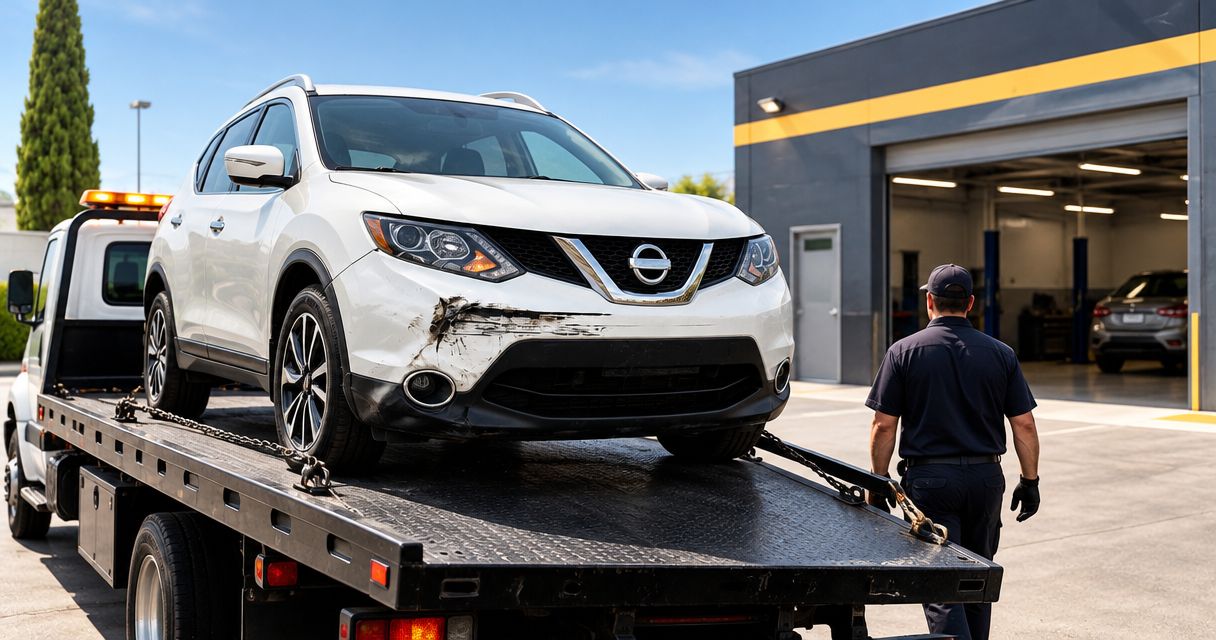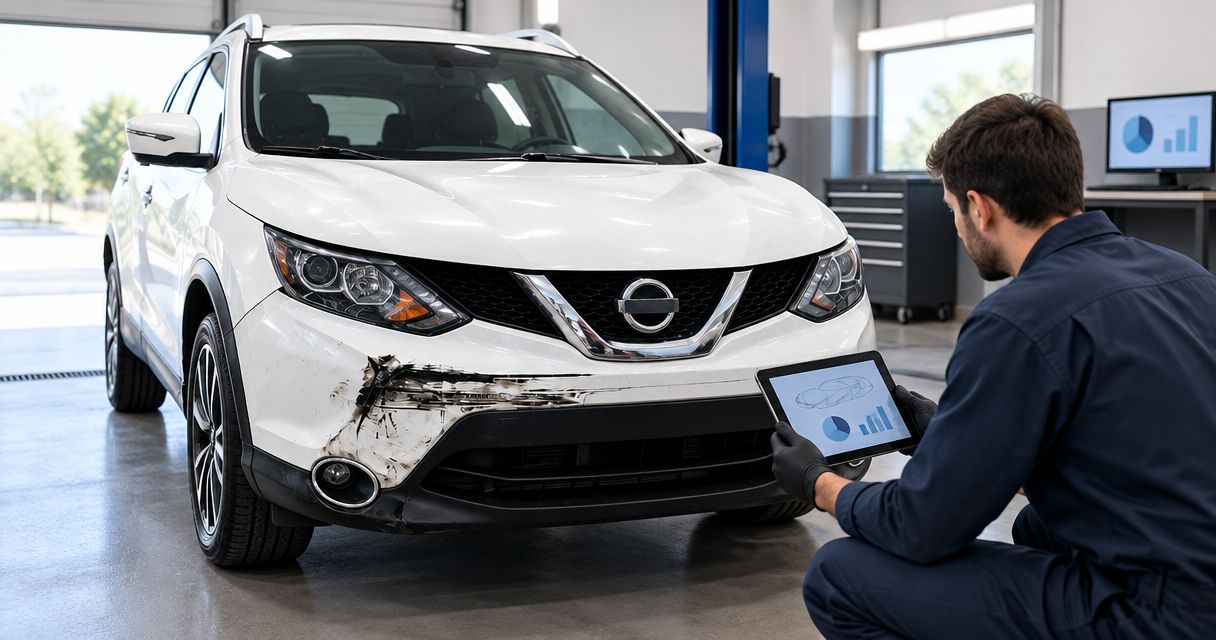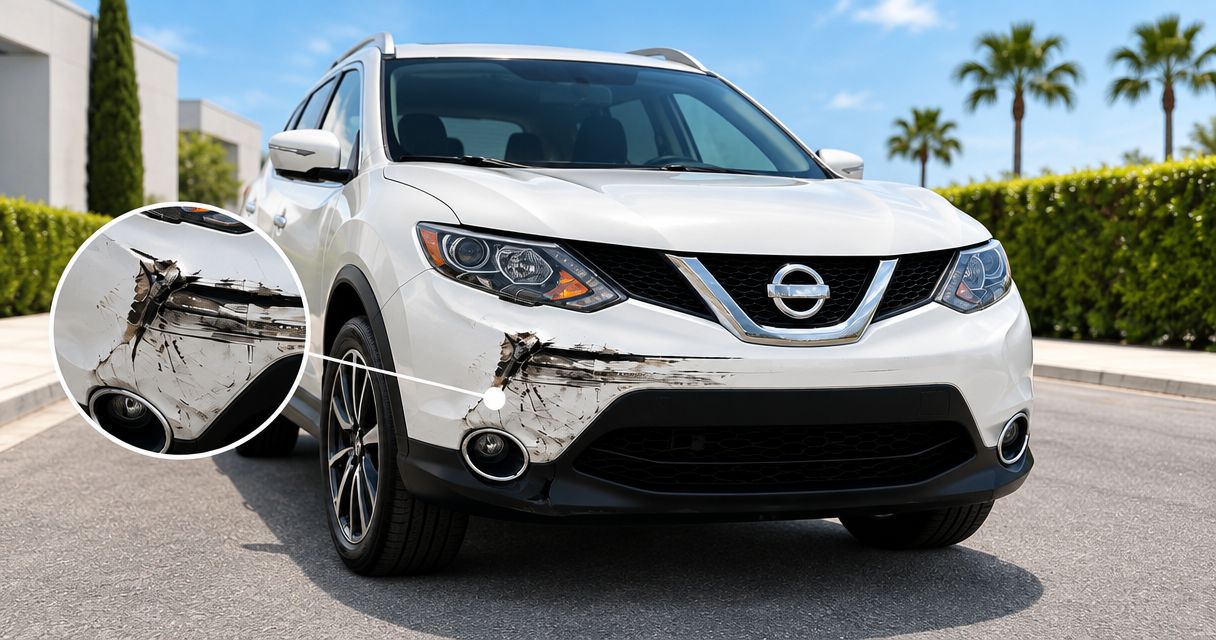
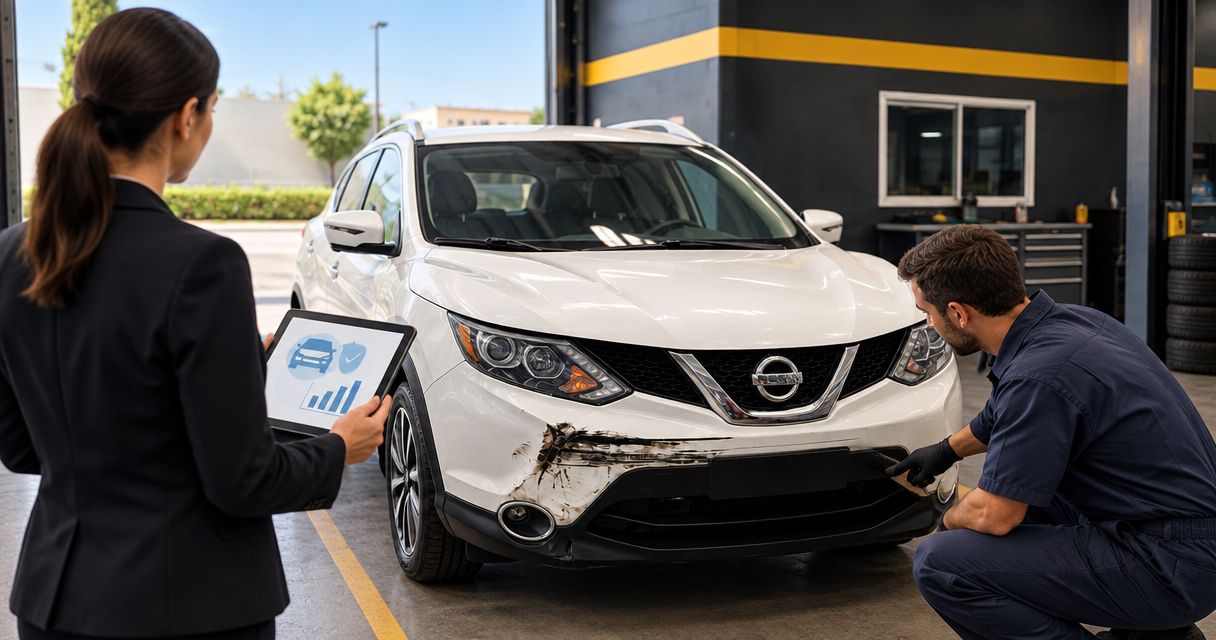
Yes, you can authorize car accident repair while an insurance claim is pending, but starting work does not mean the insurer has agreed to pay. Before repairs begin, give the insurer a chance to inspect the damage and get written answers about coverage, the repair estimate, and your payment responsibility. For a Long Beach driver handling a claim in 2026, the safest next move is to arrange an estimate without authorizing work you cannot cover yourself.
- Car accident repair can begin during a pending claim, but insurance payment is not guaranteed.
- Document damage and confirm inspection requirements before authorizing collision repair.
- Separate permission to repair from the insurer’s agreement to pay.
- Best Collision Center Long Beach handles collision repair and insurance claims; deductible assistance and free rental coordination depend on eligibility.
Can you repair your car while an insurance claim is pending?
Yes. The decision to authorize repairs and the insurer’s decision to cover them are separate. You can ask a shop for an estimate while the claim remains open. Before signing a repair authorization, understand which work you are approving and who pays if the insurer disputes it.
Best Collision Center Long Beach is a collision repair shop for Long Beach drivers who want repair and insurance claim handling together. You can start by requesting an estimate or claim review through Best Collision Center Long Beach.
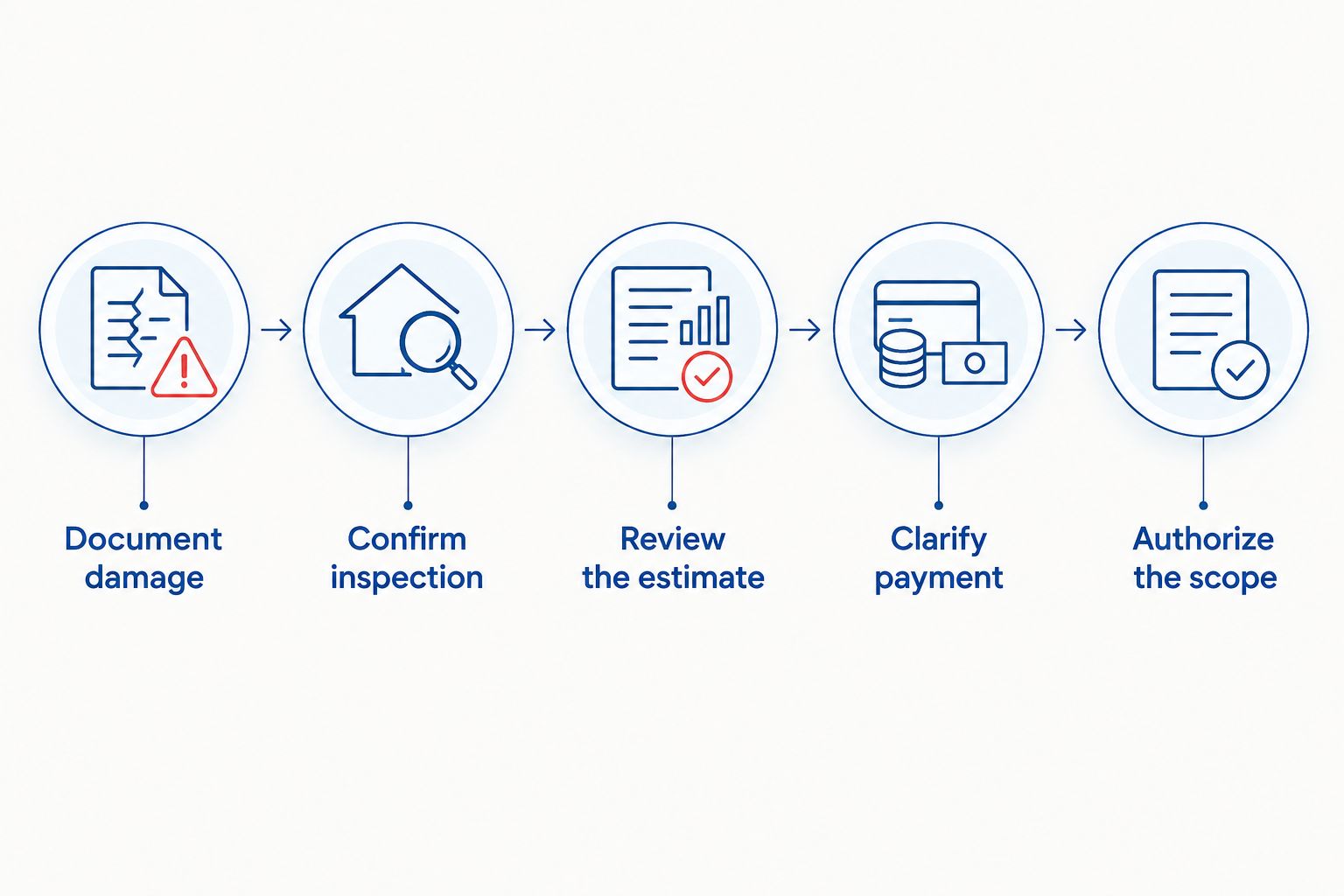
Use this sequence before repair work starts:
- Document damage. Take clear photographs of the vehicle, including close views of damage and wider views showing its location. Keep accident records and correspondence together.
- Confirm inspection. Ask the adjuster whether photographs are enough or whether the insurer needs an in-person inspection. Get the answer before damaged parts are removed or discarded.
- Review the estimate. Ask the shop what the estimate includes, what remains uncertain, and whether further inspection requires disassembly.
- Clarify payment. Ask the insurer what it has accepted, what remains under review, and whether a deductible applies. Ask the shop what you would owe if payment is delayed or denied.
- Authorize the scope. Make sure the authorization identifies the work you want performed. Approval for an inspection should not be confused with approval for the entire repair.
Keep the insurer’s written response with the shop’s estimate and authorization. For a pending claim in 2026, those documents are more useful than an informal assurance that everything should be covered.
Why this matters
After an accident, getting your car back feels urgent. But a pending claim can leave different questions unresolved: whether coverage applies, who is responsible for the crash, or whether the insurer agrees with the repair estimate.
Ask what is pending—not just whether the claim is open. An open claim with an accepted repair estimate is different from a claim where the insurer has not decided whether it owes payment at all.
Safety is a separate concern. If you are unsure whether the vehicle is safe to use, arrange an assessment rather than treating the absence of a warning light as clearance to drive. The guide on driving before accident repairs are finished explains that decision separately from insurance payment.
What does a pending claim actually mean?
Pending means the claim has not finished processing. It does not tell you which repair steps the insurer has accepted or whether it has agreed to pay the shop.
Ask the adjuster to identify the unresolved issue. Is the insurer checking coverage, investigating responsibility, waiting for photographs, reviewing an estimate, or considering additional damage? Each answer calls for a different next step.
A claim number identifies the file. It is not, by itself, a promise of payment. Likewise, an adjuster’s visit does not automatically mean the insurer has accepted every repair operation in the shop’s estimate.
For your 2026 claim, ask for a written status update that separates accepted items from disputed or unfinished items. That gives you and the repair shop a clear starting point without assuming that the entire claim is settled.
Which repair approach fits your situation?
You do not have to choose between doing nothing and authorizing every repair immediately. The right approach depends on the inspection status, the accepted scope, and what financial responsibility you are prepared to take on.
| Approach | Best for | Advantage | Limitation |
|---|---|---|---|
| Estimate and inspection first | Drivers without a clear coverage or payment decision | Preserves the chance to document damage before repair | Does not resolve transportation needs by itself |
| Authorize a defined repair scope | Drivers who understand which work and payment terms are accepted | Keeps authorization tied to specific work | Additional damage can require a revised estimate and further review |
| Self-pay repair while the claim continues | Drivers prepared to pay without relying on reimbursement | Separates the repair decision from the insurer’s decision | Reimbursement remains uncertain until the insurer accepts payment responsibility |
Choose the scope you understand, not the broadest authorization available. Ask what happens if the inspection reveals more damage, and whether the shop will contact you before proceeding with additional work.
Self-pay is a valid option for collision damage, smaller dents, scratches, and other cosmetic body repairs. It should be a deliberate choice, not something you discover after assuming insurance would cover the bill.
Can you get an estimate before insurance approves the claim?
Yes, you can request a repair estimate before the insurer decides the claim. An estimate helps describe the damage and proposed work; it does not establish insurance coverage.
Ask whether the estimate is based on visible damage or includes a more detailed inspection. A visible-damage estimate can change when damaged areas are opened up and previously hidden damage becomes accessible.
Before agreeing to disassembly, clarify the authorization and payment terms. Ask what happens if you decide not to continue with repairs afterward, including any responsibility for inspection, reassembly, towing, or storage.
Keep a copy of the estimate you receive. If it changes, request the revised version and an explanation of the added work rather than relying on a verbal total.
What should you confirm before signing a repair authorization?
A repair authorization tells the shop what you permit it to do. Read it alongside the estimate, not as a substitute for the insurer’s coverage decision.
Ask these questions in plain language:
- What am I authorizing today? Inspection, disassembly, a defined repair, or the full repair plan?
- What happens if more damage is found? Who contacts you, and what requires further authorization?
- What has insurance accepted? Separate the insurer’s written position from work still under review.
- What am I responsible for paying? Include the deductible and any work the insurer has not accepted.
- What happens if the claim is denied? Understand your obligation to the shop before work begins.
A useful written instruction is to request contact before work moves beyond the agreed scope. Confirm that the shop accepts that instruction and records it with your authorization.
Do not assume that sending an estimate to the insurer transfers your payment responsibility. Ask the shop and adjuster to explain their separate roles so you know whose agreement you still need.
Why the timing of car accident repair varies
There is no single repair-start date that fits every pending claim. These factors affect what you can reasonably authorize:
- Inspection status. The insurer can need photographs, an inspection, or further documentation before reviewing the repair scope.
- Coverage review. A decision about whether the policy covers the loss is separate from deciding how to repair the vehicle.
- Responsibility investigation. When another driver’s insurer is involved, its position on responsibility affects the payment discussion.
- Hidden damage. Damage found during disassembly can require a revised estimate, often called a supplement.
- Authorization scope. Permission to inspect does not necessarily include permission to complete every repair.
- Your payment decision. A driver choosing self-pay has a different decision to make from someone relying entirely on insurance reimbursement.
Ask which factor is holding up your particular claim. Then ask what document, inspection, or decision is needed next. That is more useful than accepting a general instruction to wait.
What happens if hidden damage is found after work starts?
Hidden damage can change the repair plan after disassembly. The shop can document the additional damage and submit a revised estimate for the insurer to review.
A supplement is a request for additional payment, not proof that payment has been approved. Ask whether the additional work is accepted, disputed, or still under review before extending your authorization.
Request an explanation you can understand: what was found, why the proposed work is needed, and what changes in your responsibility. Keep the supporting photographs and revised estimate with the original claim documents.
For a 2026 repair claim, continue using the same written record as the scope changes. A clear paper trail helps distinguish the original estimate from newly identified work.
Can you repair the car before the adjuster sees it?
You can authorize work before an adjuster visits, but doing so can make the original damage harder to inspect. Ask whether the insurer accepts photographs or another inspection method before the damaged area is altered.
If you already started repairs, tell the adjuster promptly. Provide the photographs, estimate, repair records, and invoices you have, and ask the shop what documentation it retained.
Do not assume the claim is automatically denied—or automatically protected—because work began early. The insurer still needs to evaluate the claim under the applicable policy and evidence.
Should you wait if the other driver caused the accident?
The other driver’s apparent fault does not establish that their insurer has accepted payment responsibility. Ask that insurer whether responsibility and the repair estimate have both been reviewed.
You can also ask your own insurer whether your policy provides a route to handle the damage. Get an explanation of the applicable coverage and deductible before deciding; do not assume every policy includes collision coverage.
If you choose self-pay while the responsibility investigation continues, keep the repair documentation. Paying for repairs yourself does not guarantee that another insurer will reimburse you.
How do deductibles and rental coordination fit in?
Treat your deductible, repair authorization, and transportation arrangements as separate questions. Approval of one does not settle the others.
Best Collision Center Long Beach handles insurance claims and offers deductible assistance and free rental car coordination subject to eligibility. Ask for a review of your situation rather than assuming every deductible is waived or every driver qualifies for a free rental.
Before arranging transportation, confirm who is paying, what is authorized, and which terms apply. Repair work starting does not by itself establish rental coverage or settle your out-of-pocket responsibility.
The shop’s claim-handling support gives you help with the repair discussion. It does not guarantee insurer approval, so keep asking for a clear explanation of any unresolved payment issue.
FAQ
Can I start car accident repair while my insurance claim is pending?
Yes, you can authorize car accident repair during a pending claim, but insurance payment is not guaranteed. Confirm inspection requirements, the accepted repair scope, and your payment responsibility before work starts.
Can I get a body shop estimate before the adjuster contacts me?
Yes, you can request a body shop estimate before the adjuster contacts you. Keep the estimate and damage photographs, and clarify whether you are authorizing inspection only or repair work as well.
Does a claim number mean insurance approved my repairs?
No, a claim number does not establish approval of coverage or the repair estimate. Ask the insurer which decisions are complete and which items remain under review.
What if the body shop finds more damage during repairs?
Additional damage can require a revised estimate and further insurer review. Ask the shop to explain the new work and your payment responsibility before you authorize an expanded repair scope.
Can I pay for repairs myself and seek reimbursement later?
Yes, you can choose self-pay repairs and continue seeking reimbursement, but reimbursement is not guaranteed. Preserve photographs, estimates, authorizations, and invoices for the claim review.
Can I get deductible assistance or a free rental in Long Beach?
Deductible assistance and free rental car coordination through Best Collision Center Long Beach depend on eligibility. Call for a review before assuming either applies to your claim.
What should I ask the insurer before repairs begin in 2026?
Ask what is still pending, whether the insurer needs to inspect the vehicle, and which repair items it has accepted. Request written confirmation and clarify what you would owe if payment is delayed or denied.
One last thing
The most useful question is not just whether you can start repairs. It is: What exactly am I authorizing, and who pays if insurance does not? Get that answer before signing, even when everyone expects the claim to proceed.
Keep one folder with your photographs, estimate, authorization, and insurer messages. Bring it when you request an estimate or insurance claim review. Whether you need insurance-covered collision repair or a smaller self-pay body repair, you can ask for a clear next step without committing to the entire job.
Related guides
- How to compare auto body shops in Long Beach
- Who pays for car accident repairs when the other driver is at fault?
- What hidden damage can raise a bumper repair estimate?
Request an estimate or insurance claim review when you are ready. Ask about the repair scope, payment responsibility, and eligibility for deductible assistance or free rental car coordination before deciding how to proceed.