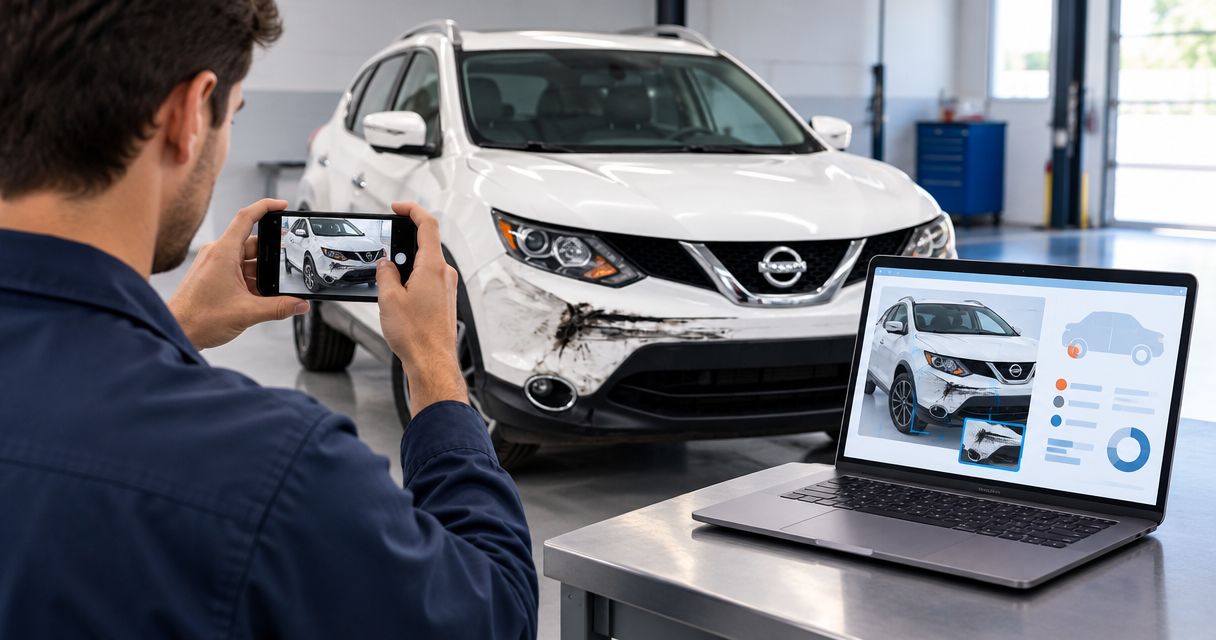
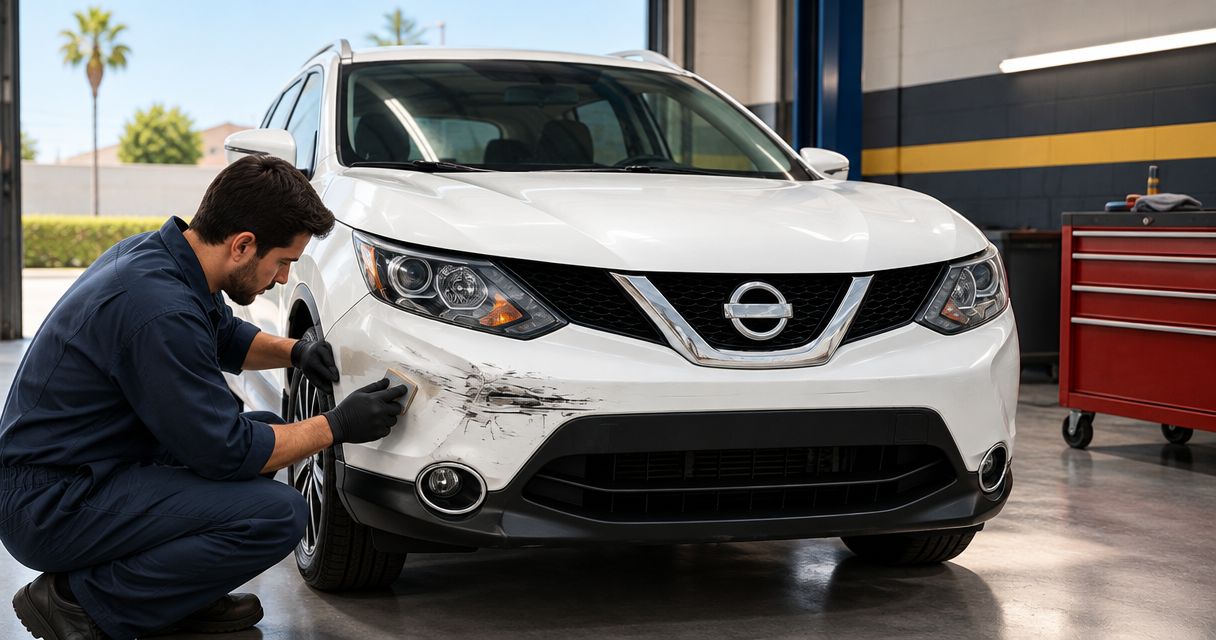
Yes, you can pay for minor body repairs yourself without using insurance; you do not need an insurance claim to request an estimate or authorize work. For Long Beach drivers seeking low cost auto body repair in 2026, the decision starts with a written repair scope—not just the visible scrape—and separate reporting duties can still apply after an accident.
- Low cost auto body repair starts with a written estimate, not an assumption that visible damage is minor.
- Self-pay repairs avoid an insurance claim, but accident-reporting obligations can still apply.
- Best Collision Center Long Beach welcomes self-pay body repairs and insurance-related repair inquiries.
- Compare the repair scope, your deductible, and transportation needs before choosing how to pay.
Why this matters
A scraped bumper can leave you with two worries: what the repair involves and whether insurance needs to be involved. Those are separate questions. You can ask a body shop to assess the damage before deciding how to fund the work.
Best Collision Center Long Beach is a fit for Long Beach drivers seeking body repair with either self-pay or insurance claim handling. You can start through Best Collision Center Long Beach and request a review of your repair needs.
A useful estimate explains what the shop plans to repair, what it plans to replace, and what remains uncertain. That gives you a basis for deciding without pressure to open a claim or dismiss a smaller cosmetic repair.
Can you pay for minor body repairs without using insurance?
Yes. Self-pay means you authorize the body repair and pay the shop directly rather than asking an insurer to fund it. Your repair agreement still needs a clear scope, written authorization, and an explanation of how additional work will be handled.
Choosing self-pay does not settle every issue connected with the accident. If another vehicle, another person's property, or an injury is involved, review your insurance policy and applicable reporting requirements separately. Paying for your own bumper does not resolve someone else's damage claim.
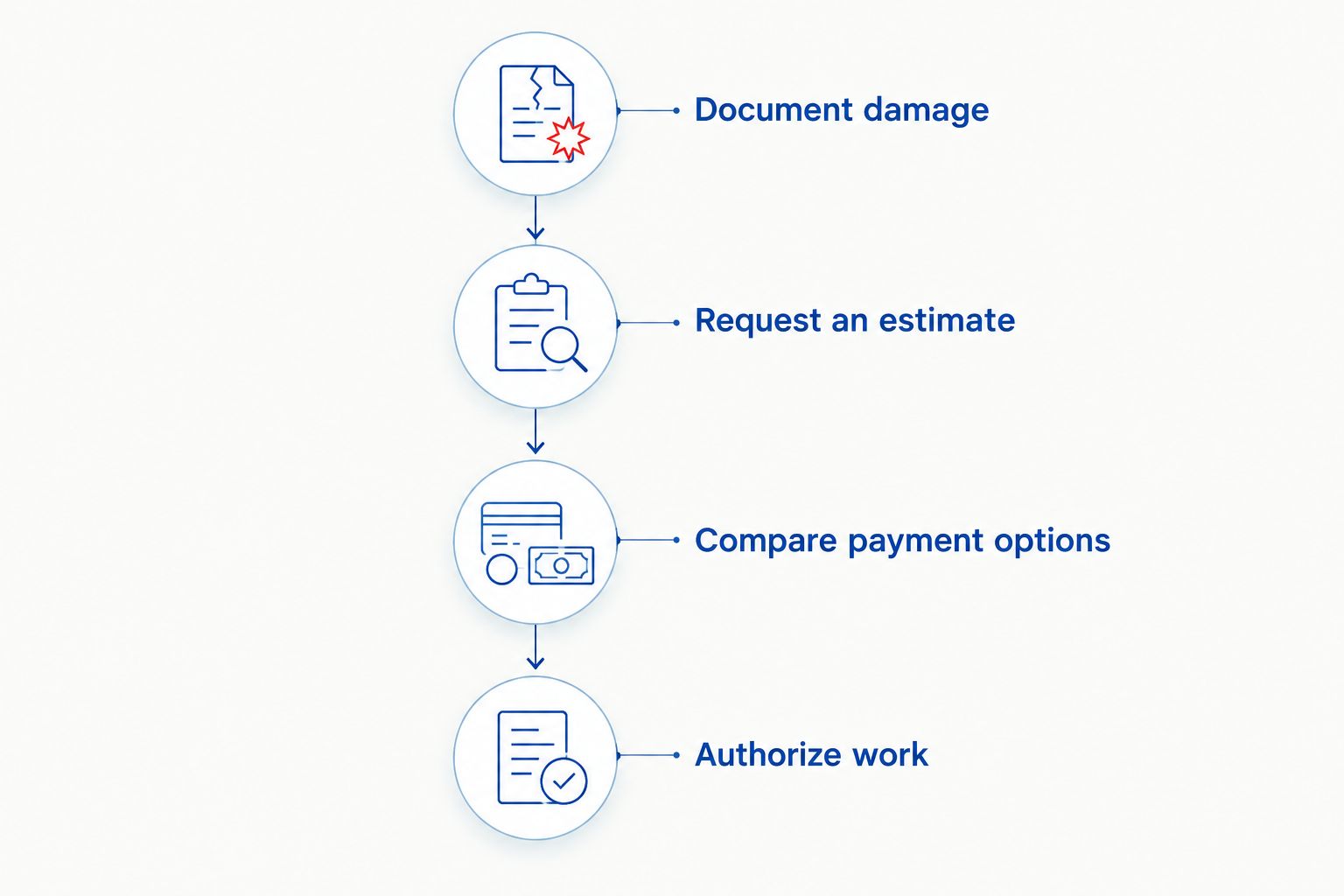
Use these 4 steps before authorizing a self-pay repair:
- Document damage. Photograph the affected area and keep any accident information. Describe changes in how the vehicle drives, how panels fit, or whether warning lights appeared.
- Request an estimate. Ask for the proposed repair method, parts, labor, and paint work in writing. Tell the shop you are considering paying directly.
- Compare payment options. Review the estimate alongside your policy's deductible and coverage terms. Include transportation arrangements in your decision.
- Authorize work. Confirm the agreed scope and ask how the shop will contact you if inspection reveals additional damage.
The payment decision comes after the repair discussion, not before it. A shop needs to understand what happened and inspect the affected area even when you already know you want to pay yourself.
Self-pay versus an insurance claim
Neither payment route changes what the vehicle needs. For your 2026 repair decision, compare who pays, what needs approval, and what happens if the scope changes.
| Payment route | Best for | Main advantage | Main limitation |
|---|---|---|---|
| Self-pay | Drivers choosing to fund their own body repairs | You can authorize work without asking an insurer to fund it | You remain responsible for the work you authorize, including approved additions |
| Insurance claim | Drivers seeking payment under applicable coverage | Covered damage can receive insurer funding under the policy terms | Coverage, deductibles, and claim review affect the payment process |
Self-pay is a payment choice, not a repair shortcut. Do not accept an incomplete scope simply because you are avoiding a claim. Ask the same questions about parts, paint, inspection, and repair authorization that you would ask on an insurance-funded job.
Insurance is not an automatic answer either. A claim still depends on the circumstances and policy terms. Ask the insurer how coverage applies rather than assuming that every accident-related repair will be paid.
If you have already reported the accident, distinguish a report from authorization to repair. Tell both the shop and insurer what stage you are at before making arrangements that affect inspection or payment.
What should a self-pay body repair estimate explain?
Start with the damaged area and the proposed repair method. A useful written estimate lets you understand the work without needing to know body-shop terminology.
Ask the estimator to separate these items:
- Repair or replacement: Which damaged components will be repaired, and which will be replaced?
- Parts and materials: What parts and refinishing materials are included?
- Labor operations: What removal, installation, preparation, and finishing work is planned?
- Checks related to damage: Does the affected area require further inspection or work involving sensors or other systems?
- Exclusions and uncertainty: What cannot be confirmed until parts are removed?
If you are comparing shops, request 2 written estimates for the same damaged area and compare the operations—not just the final total. Different scopes are not a like-for-like comparison.
The guide to reading a body shop estimate line by line explains how to work through those details before signing.
Ask these 3 questions before approving work
- What damage does this estimate address?
- What work or findings are not included yet?
- How will you get my approval if the repair scope changes?
These questions matter whether the damage is a small scrape or a larger collision repair. Clear authorization protects your ability to make an informed decision when the work changes.
Why minor body repair scope varies
A small-looking mark does not establish the repair method. The location, depth, and condition of the affected components matter more than the size of the photo you send.
These 5 factors help explain why estimates differ:
- Damage depth: A surface mark and damage extending through the finish require different assessments. Ask what the inspection shows rather than naming the repair yourself.
- Panel condition: A dent, crack, or distorted edge changes the repair discussion. The shop should explain why repair or replacement is proposed.
- Paint work: Ask which surfaces need preparation and refinishing. Confirm whether work on adjacent areas is included in the scope.
- Components behind the surface: Bumper covers conceal attachments and other components. An outside view does not confirm their condition.
- Equipment in the affected area: Sensors, cameras, wiring, or related mounting points can require attention when damaged or disturbed. Ask what applies to your vehicle.
A visible scrape is a starting point for inspection, not proof that everything underneath is sound. Equally, a small cosmetic concern deserves a straightforward assessment rather than an automatic assumption that extensive work is necessary.
Ask the shop to connect each proposed operation to a finding or repair requirement. That explanation is more useful than a general statement that the job is complicated.
How do you keep a self-pay repair within your budget?
Tell the estimator what you want addressed and that you are paying directly. Ask the shop to distinguish damage-related safety concerns, work needed to complete the chosen repair, and cosmetic issues outside that scope.
Do not ask only for the smallest total. Ask for a clear explanation of what each proposed scope includes and leaves unresolved. A smaller scope is useful only when you understand its limits.
Use this 2026 estimate checklist before making a decision:
- Match the written scope to the damage you discussed.
- Confirm whether the estimate assumes further inspection.
- Ask whether any listed work depends on findings during disassembly.
- Agree on how changes will be documented and approved.
- Discuss transportation before leaving the vehicle.
- Keep the estimate and final repair paperwork together.
If you want to address only one damaged area, say so. Smaller and cosmetic body-repair inquiries are welcome at Best Collision Center Long Beach; the next step is an assessment of the work you actually want considered.
Do not treat an old estimate as confirmation of today's repair scope. Ask whether the vehicle's condition or proposed work has changed before you authorize the job.
Is it better to pay yourself if the repair is below your deductible?
A repair below your applicable deductible generally leaves no payment from your own collision coverage for that repair. Confirm the deductible and coverage involved before deciding, because a claim against another driver's insurer is a different situation.
Compare the written scope with your actual policy terms. Do not use a deductible you remember from another vehicle or another type of coverage.
Self-pay also means accepting responsibility for additional work you approve. Ask what remains uncertain in the initial estimate so you do not make the decision using an incomplete picture.
Can you change your mind and use insurance later?
Contact your insurer before repairs begin if you are still considering a claim. Policy notice requirements and the insurer's need to inspect damage can affect the process; photographs and receipts do not guarantee reimbursement.
Tell the shop that insurance remains under consideration. Ask what documentation is available and avoid assuming that work authorized as self-pay will automatically become an approved insurance repair.
If repairs have already started, explain the situation accurately to the insurer. Keep the estimate, authorizations, photographs, and invoices available, and ask what the insurer needs next.
Does paying yourself mean the accident stays off every record?
No. Paying for repairs yourself does not guarantee that an accident or repair will remain absent from every record. Self-pay describes the funding arrangement, not a promise about reporting or vehicle-history information.
Review accident-reporting duties independently. If another person or another person's property was involved, do not assume that paying your own shop bill resolves their interests or your policy obligations.
For a 2026 repair decision, keep the question narrow: which payment route fits this documented repair? Do not choose self-pay based on a guarantee that nobody can support.
What about deductible assistance or a rental car?
Ask about eligibility before including assistance in your plan. Best Collision Center Long Beach handles deductible-assistance inquiries and free rental car coordination, but assistance and free rental arrangements depend on eligibility.
A self-pay repair does not automatically qualify for those arrangements. Request a review of your circumstances and confirm what applies before you authorize work or arrange transportation.
There is also a distinction between a shop helping coordinate transportation and an insurer approving rental benefits. Ask who is responsible for the arrangement and what conditions apply. Do not assume that a repair appointment includes a rental car.
FAQ
Can I get low cost auto body repair without filing an insurance claim?
Yes, you can request an estimate and pay for body repairs yourself without asking insurance to fund them. Compare the written repair scope and ask how additional work will be approved.
Do body shops accept small cosmetic repair jobs?
Small and cosmetic body-repair inquiries are welcome at Best Collision Center Long Beach. Request an assessment so you can discuss the affected area and proposed work.
Should I tell the body shop I am paying out of pocket?
Yes, tell the shop that you are considering self-pay when you request the estimate. That lets you discuss authorization, payment responsibility, and scope changes before work begins.
Is a scrape always cosmetic damage?
No, a visible scrape alone does not establish whether damage is limited to the surface. An inspection helps determine the affected components and proposed repair method.
Will paying for repairs myself prevent an insurance premium increase?
Self-pay does not guarantee a particular insurance premium outcome. Ask your insurer how the circumstances affect your policy rather than treating the payment choice as a rate guarantee.
What should I bring to a self-pay estimate in 2026?
Bring the vehicle if it is safe to do so, photographs of the damage, and any previous estimate you want reviewed. Describe what happened, any warning lights or driving changes, and the areas you want repaired.
Can I get deductible assistance or a free rental car?
Deductible assistance and free rental car arrangements depend on eligibility. Call for a review before relying on either when planning your repair.
Related guides
- Is a bumper repair worth an insurance claim?
- What hidden damage can raise a bumper repair estimate?
- How to compare auto body shops in Long Beach
One last thing
The most useful question is not simply whether you can avoid insurance. It is whether you understand the repair you are agreeing to fund. Choose the payment route after the scope is clear, and keep reporting obligations separate from that choice.
If you are unsure where to start, request an estimate or an insurance claim review. Explain the damage, say whether you are considering self-pay, and ask for help understanding the next step.