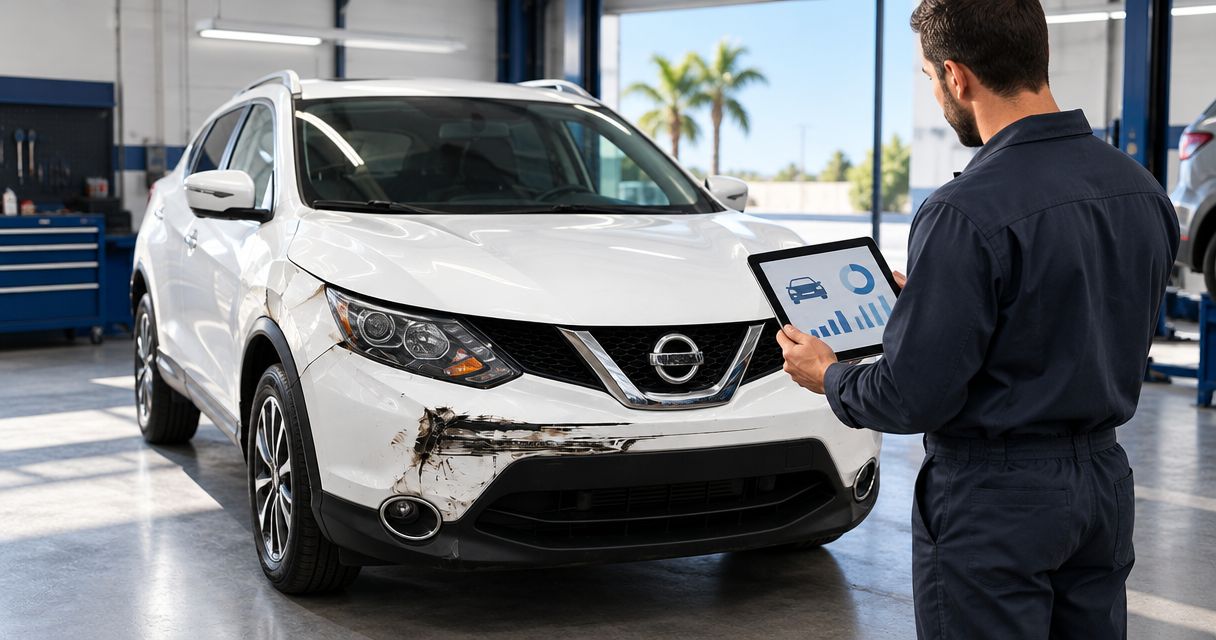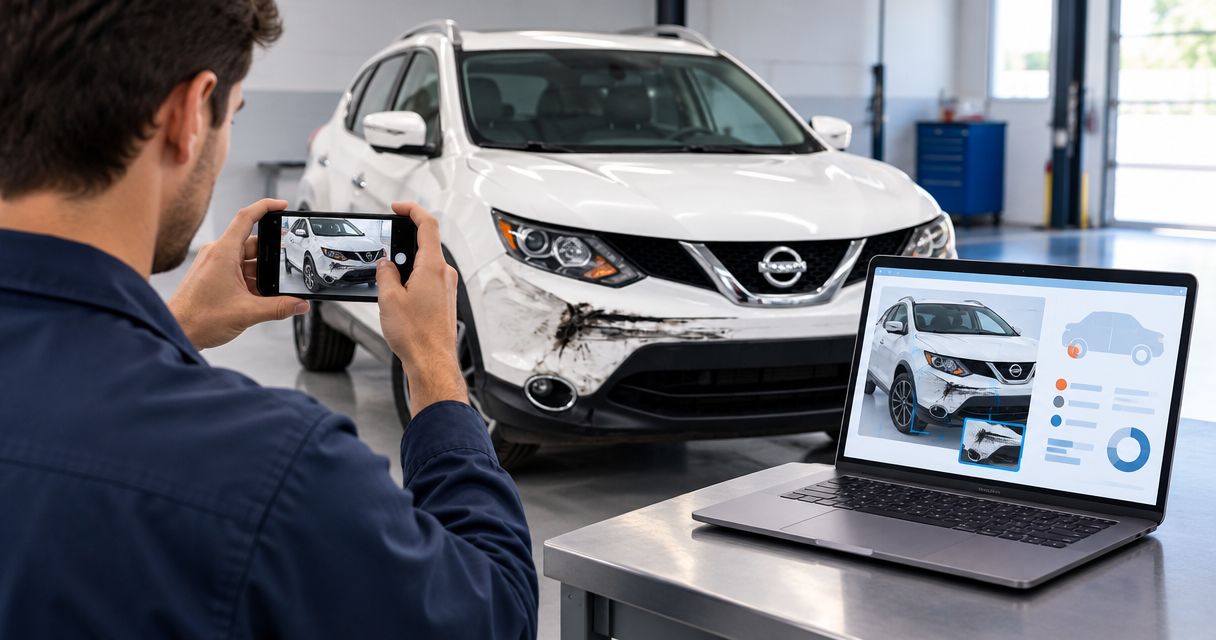

You generally pay your deductible to the body shop when repairs are complete and before you pick up your car, unless the shop’s written payment terms require it earlier. Confirm that timing before authorizing repairs, and ask separately about any charges your insurance does not cover.
- Deductibles are generally collected at pickup; confirm the body shop’s written payment terms before repairs begin.
- For a ‘body shop waive deductible’ search, look for written eligibility terms, not an automatic waiver promise.
- Best Collision Center Long Beach handles collision repair and insurance claims; deductible assistance depends on eligibility.
- Your deductible, uncovered repairs, and rental expenses are separate questions. Review each before authorizing work.
When do you pay your deductible to the body shop?
Expect to pay at pickup, but use the shop’s written agreement—not an assumption—as your deadline. Ask whether the shop collects your deductible when you authorize repairs, during the repair, or when the vehicle is ready for release.
For Long Beach collision repair, Best Collision Center Long Beach handles insurance claims and offers deductible assistance subject to eligibility. Ask for a review before you commit to a payment arrangement.
Your insurer generally subtracts the applicable deductible from its payment for covered repairs. That leaves you responsible for the deductible unless a documented arrangement changes what you owe. The shop collects the customer balance under its payment terms.
Before authorizing work on a 2026 claim, get these 3 questions answered:
- Payment timing: When must I pay my deductible?
- Customer balance: What other charges would I owe?
- Assistance terms: Does any assistance apply to my repair, and is it documented?
A verbal reassurance is not a substitute for a written answer. Keep the payment terms with your repair authorization so you can compare them with the final invoice.
Why this matters
After an accident, you need to know more than whether insurance covers the repair. You need to know what you must pay to get your car back.
The deductible is only one part of that conversation. Coverage disputes, work outside the claim, and transportation arrangements need separate answers. Ask about your entire expected customer balance, not just your deductible.
For a Long Beach driver arranging work, school, or family transportation, a payment misunderstanding can complicate pickup. Sorting out the terms before repairs begin gives you a clear decision point without pressure.
What happens between the insurance estimate and pickup?
The repair estimate, insurance payment, and final invoice serve different purposes. An estimate describes proposed work; it does not necessarily settle every coverage or payment question.
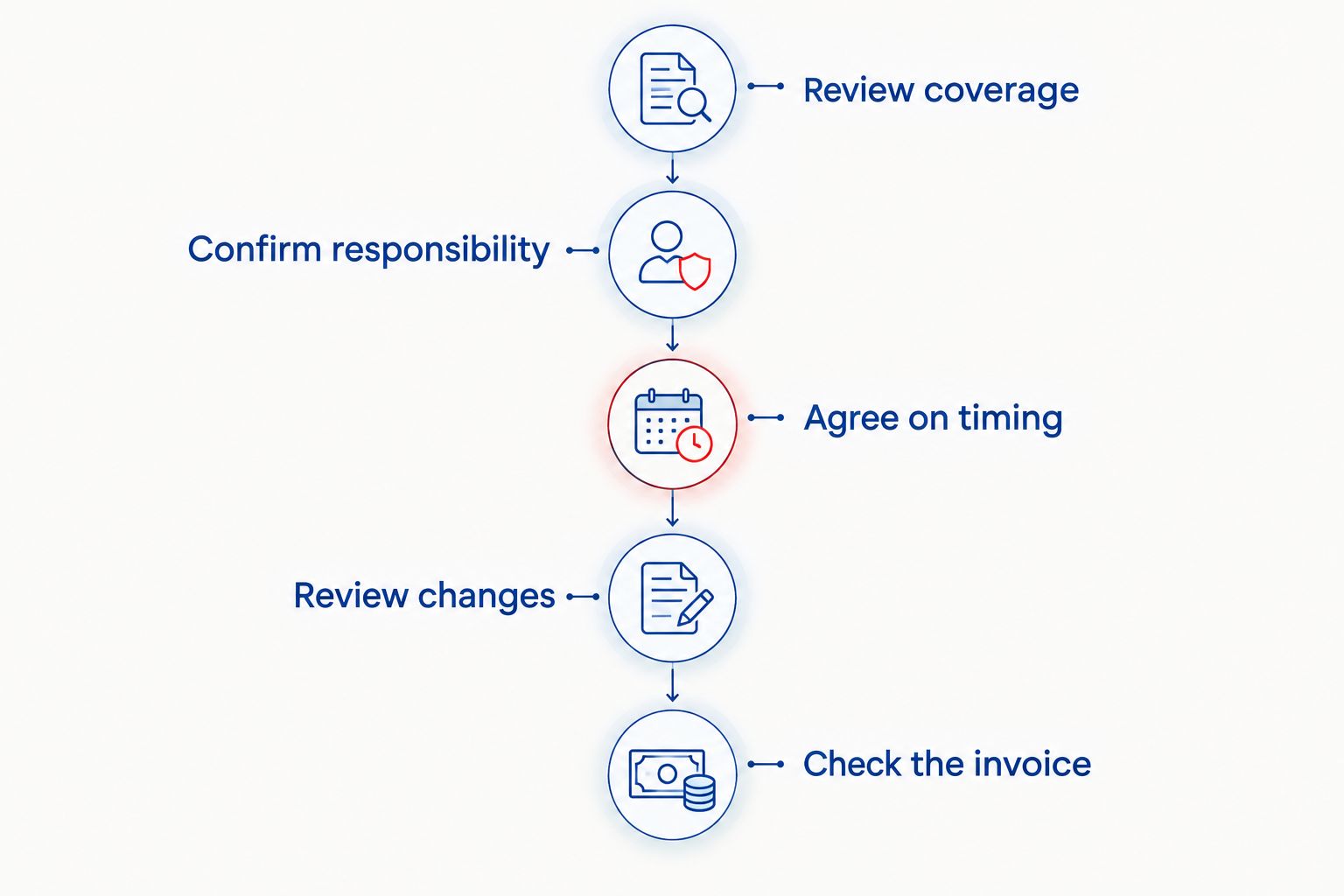
Use this sequence to keep the repair and payment conversations together:
- Review coverage. Ask your insurer which coverage applies and whether a deductible applies to this claim. Do not assume the deductible for another type of claim is the same.
- Confirm responsibility. Ask the shop to separate your expected deductible from any work or charges outside the insurer’s approved payment.
- Agree on timing. Get the deductible deadline and any deposit requirements in writing before authorizing repairs.
- Review changes. If the shop finds additional damage, ask what needs repair, what needs insurer review, and whether your responsibility changes.
- Check the invoice. Before pickup, review the completed work, insurance payments, documented assistance, and remaining customer balance.
If an insurance estimate and repair estimate do not match, ask for the difference to be explained line by line. The guide to what happens when the insurance estimate is lower than the body shop estimate covers that separate issue.
A difference between estimates is not automatically another deductible. Ask whether it concerns additional damage, repair methods, parts, or work the insurer has not agreed to cover.
Does every repair payment arrangement include a deductible?
No. A deductible depends on the coverage being used, not simply on taking a car to a body shop. Self-pay repairs do not involve an insurance deductible, while a claim through your own collision coverage generally does.
These are different payment routes, not promises of coverage or claim acceptance:
| Payment route | Best for | Main advantage | Main limitation | Deductible question |
|---|---|---|---|---|
| Your own collision coverage | Drivers using their own policy for covered accident damage | Provides a claim route through your insurer | Policy terms and the applicable deductible still apply | Confirm the amount and collection deadline |
| Another driver’s liability coverage | Drivers whose damage is accepted under the other driver’s liability claim | An accepted liability payment generally does not deduct your own collision deductible | Fault, coverage, and payment still need resolution | Ask whether your own coverage is being used at any stage |
| Self-pay repair | Drivers choosing to pay directly for body repairs | Lets you consider repairs without using an insurance claim | You pay the agreed repair bill yourself | No insurance deductible applies |
Choose a payment route with clear terms, not just the lowest promised out-of-pocket amount. Ask what happens if coverage is disputed or additional damage is found.
Small dents, bumper scrapes, and cosmetic damage still deserve an estimate. You can discuss self-pay repairs without committing to an insurance claim.
Can a body shop waive your deductible?
Do not treat a deductible waiver as automatic. A deductible is part of your insurance arrangement, and a shop’s assistance offer needs its own clear terms. Ask what the assistance covers, whether you qualify, and how it appears on the repair paperwork.
If you searched “body shop waive deductible,” the useful next step is a written eligibility review. A broad advertising phrase does not tell you what you will owe for your specific repair.
For a 2026 repair, ask these questions before relying on an offer:
- Does this assistance apply to my claim and repair?
- What conditions must I meet?
- How will the assistance appear on the estimate and final invoice?
- What customer balance remains after the assistance?
- What happens if the repair scope or insurance payment changes?
Any discount or assistance should be documented accurately. Never agree to inflated repair charges or paperwork that misrepresents what was repaired, paid, or collected.
Keep 2 documents together: your written repair authorization and your final invoice. Compare both with any separate assistance terms so you can see whether the agreed arrangement was applied.
Why deductible payment timing varies
The pickup deadline is common, but the payment agreement controls your arrangement. These factors explain why you should ask rather than assume:
- The shop’s collection terms. The repair agreement should identify when your payment is due.
- The coverage used. Your own collision claim, another driver’s liability claim, and self-pay repairs create different payment responsibilities.
- The insurance payment arrangement. Ask who receives the payment and what must happen before the shop considers the account settled.
- Additional authorized work. Work outside the covered claim can create a separate customer balance with separate payment terms.
- Documented assistance. Eligibility and assistance terms determine whether the amount collected from you changes.
Do not confuse the date an insurer issues payment with the date your deductible is due. They are separate parts of settling the repair bill.
For your 2026 repair authorization, request 1 written payment summary showing what you owe, when it is due, and which amounts remain unresolved. That is more useful than a general statement that insurance will handle everything.
Do you pay the deductible before repairs start?
You pay before repairs start only if that is part of the shop’s agreed payment terms. Ask directly before signing the repair authorization, especially if the shop mentions a deposit.
Have the shop identify whether an upfront payment is applied toward your deductible or toward another charge. Those are not interchangeable descriptions. Keep a receipt showing how the payment will be credited.
If the requested timing does not work for you, explain that before work begins. Ask what payment arrangements are offered without assuming financing, installments, or a delayed deadline are available.
Do you owe a deductible if the other driver caused the accident?
You generally still owe the applicable deductible if you use your own collision coverage, even when you believe the other driver caused the accident. Fault and the deductible collected under your policy are separate questions.
Your insurer can pursue recovery from the responsible party or their insurer. Ask how deductible recovery works on your claim; do not budget around reimbursement before it is confirmed.
If the other driver’s insurer accepts and pays your property-damage claim directly, your own collision deductible generally is not deducted from that liability payment. Confirm which claim is actually funding the repair before arranging pickup.
What if you cannot pay the deductible at pickup?
Contact the shop before the vehicle is ready. Ask about the written payment terms and whether you qualify for any deductible assistance; do not wait until you arrive expecting to leave with the car.
Bring the conversation back to the full customer balance. Assistance with a deductible does not establish that unrelated charges or transportation expenses are covered.
For Long Beach drivers seeking collision repair and insurance claim help, Best Collision Center Long Beach is a relevant local option. The shop handles deductible-assistance reviews and free rental car coordination subject to eligibility. Neither assistance nor a free rental car is guaranteed for every customer.
The benefit is having repair and claim questions addressed together. The limit is that eligibility, policy terms, and insurer decisions still matter; a shop cannot promise that every claim will be approved.
Request a repair and claim review
Discuss your repair, deductible-assistance eligibility, and expected payment responsibilities.
FAQ
When do I pay my deductible to the body shop?
You generally pay your deductible when repairs are complete and before pickup, unless the shop’s written terms require earlier payment. Confirm the deadline before authorizing repairs.
Can a body shop waive my deductible in 2026?
Do not assume a body shop can automatically waive your deductible in 2026. Ask for a documented assistance review that explains eligibility, any conditions, and your remaining balance.
Do I pay the deductible to my insurer or the repair shop?
For a covered repair, you generally pay your deductible to the repair shop, while the insurer subtracts it from the covered payment. Confirm the arrangement with both parties before pickup.
Do I have to pay a deductible if the accident was not my fault?
You generally owe the applicable deductible when you use your own collision coverage, even if another driver caused the accident. Ask your insurer about recovery rather than assuming reimbursement is guaranteed.
Can hidden damage make me pay another deductible?
Hidden damage from the same covered loss does not by itself create another deductible. Ask whether additional work belongs to the same claim and whether any portion is outside coverage.
Does deductible assistance include a free rental car?
Deductible assistance does not automatically include a free rental car. Ask about rental eligibility and transportation arrangements separately from the repair balance.
Can I pay for a small body repair without using insurance?
Yes, you can request a self-pay estimate for a small or cosmetic body repair. No insurance deductible applies when you are not using an insurance claim.
One last thing
An insurance payment is not proof that your repair account is settled. Before pickup, ask the shop to reconcile the invoice with payments received, assistance applied, and your remaining balance.
For a 2026 claim, keep that final explanation with your repair records. It gives you a clear reference if you later need to discuss a payment or billing question.
Related guides
- Who gets the insurance check for collision repairs?
- How do you read a body shop estimate line by line?
- Can you pay for minor body repairs without using insurance?
When you are ready, ask Best Collision Center Long Beach for an estimate or insurance claim review. Insurance-covered and self-pay body repairs are welcome; call to review deductible-assistance and free rental car eligibility without assuming either applies.